
On the Dash:
- Stellantis reported a 13% rise in Q3 revenue but warned of new charges tied to strategy and regulatory changes.
- The company is shifting focus back to hybrid and gasoline vehicles while expanding U.S. production amid trade costs.
- Investors remain cautious as supply chain risks and unclear financial guidance cloud the automaker’s outlook.
After reporting its first quarterly revenue increase in nearly two years, Stellantis warned of upcoming charges tied to regulatory changes, strategy shifts, and product updates, unsettling investors and pushing its shares down by as much as 6.5% on Thursday.
The automaker said it expects one-off charges in the second half related to its decision to refocus on hybrid and gasoline vehicles after an aggressive push toward electrification. Additional costs will come from warranty extensions on flawed engines and other product issues. Despite these setbacks, Stellantis reaffirmed its guidance for higher revenue, improving cash flow, and low-single-digit margins in the back half of the year.
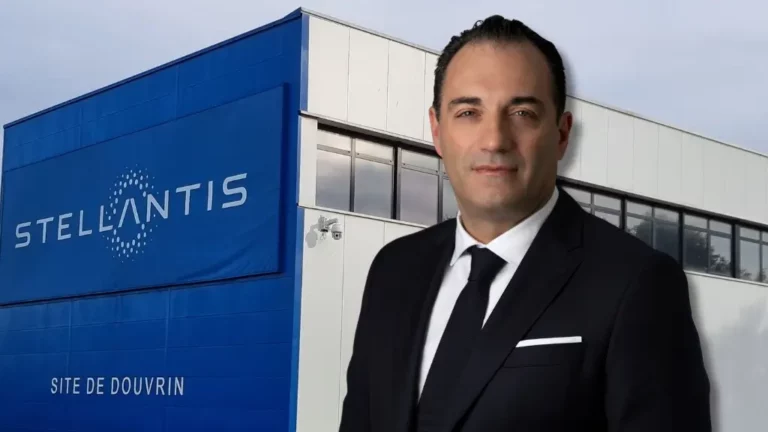
The company’s new CEO, Antonio Filosa, appointed in June, is leading a turnaround in the U.S. market where Stellantis has faced sluggish sales and inventory surpluses. Earlier this month, the automaker committed $13 billion to expanding U.S. production and offsetting tariffs introduced under President Trump’s trade policies. The company estimated that current U.S. trade measures could cost roughly 1 billion euros ($1.2 billion) in 2025, marking the lower end of its earlier forecast.
In the third quarter, Stellantis reported 37.2 billion euros ($43.4 billion) in net revenue, a 13% year-over-year gain driven largely by strong performance in North America and Europe. Analysts noted the results met expectations but expressed concern over the vague financial guidance and the potential impact of the new charges on cash flow.
The automaker also faces headwinds from ongoing semiconductor shortages linked to trade tensions between the U.S. and China. Despite these challenges, Stellantis said its long-term plans aim to align resources and investments to ensure sustainable growth in key markets.