TSLA313.030-6.66%
GM82.6401.97%
F14.3500.2%
RIVN15.840-0.62%
CYD45.070-0.77%
HMC28.1600.17%
TM177.4200.62%
CVNA60.4600.27%
PAG217.3501.81%
LAD340.9506.93%
AN208.1803.08%
GPI330.8704.19%
ABG225.2403.1%
SAH99.8200.71%
TSLA313.030-6.66%
GM82.6401.97%
F14.3500.2%
RIVN15.840-0.62%
CYD45.070-0.77%
HMC28.1600.17%
TM177.4200.62%
CVNA60.4600.27%
PAG217.3501.81%
LAD340.9506.93%
AN208.1803.08%
GPI330.8704.19%
ABG225.2403.1%
SAH99.8200.71%
TSLA313.030-6.66%
GM82.6401.97%
F14.3500.2%
RIVN15.840-0.62%
CYD45.070-0.77%
HMC28.1600.17%
TM177.4200.62%
CVNA60.4600.27%
PAG217.3501.81%
LAD340.9506.93%
AN208.1803.08%
GPI330.8704.19%
ABG225.2403.1%
SAH99.8200.71%

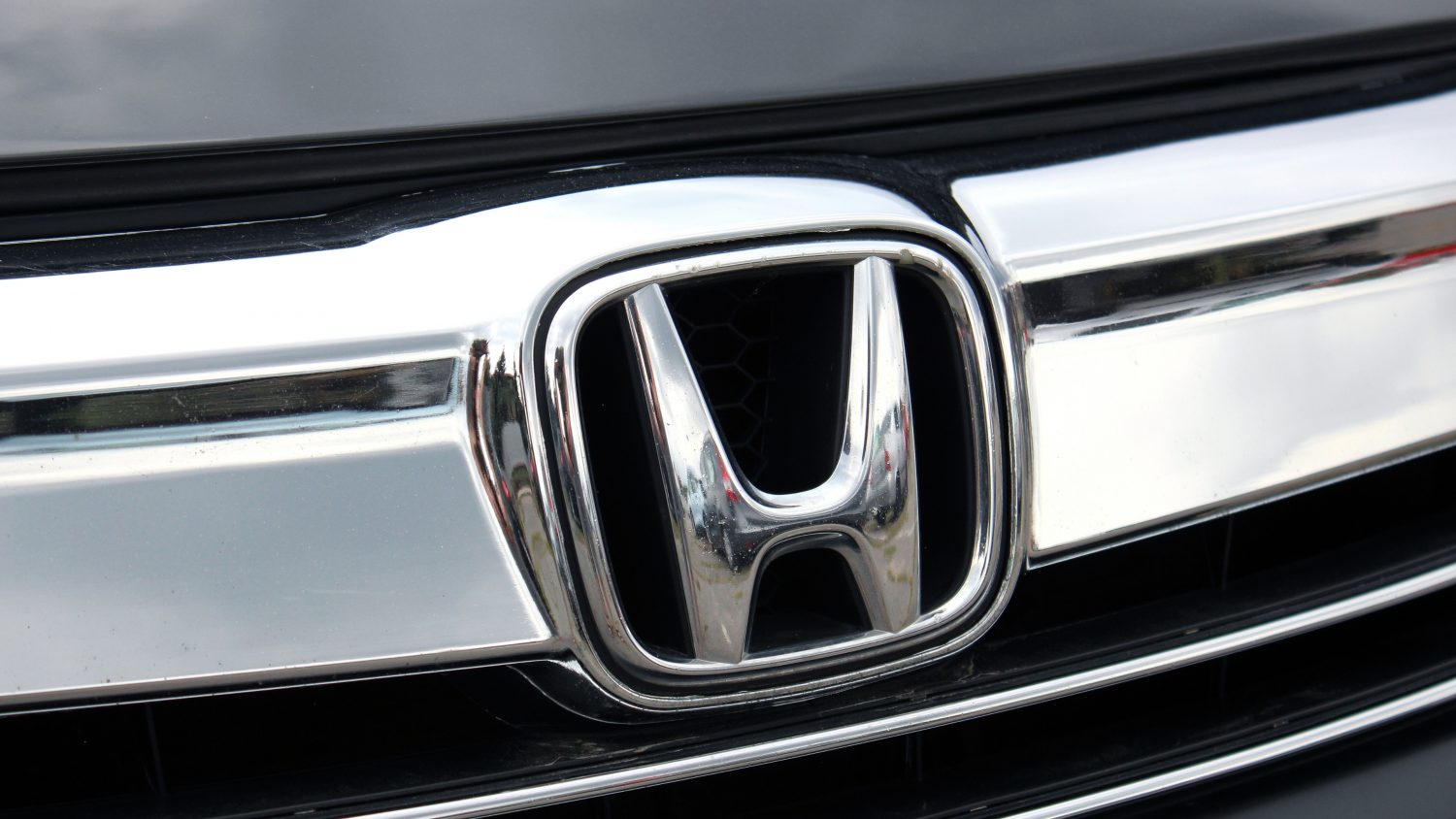
NHTSA investigates over 1.4M Honda vehicles for engine defects

There are no reported injuries or fatalities related to the investigation.
NHTSA probes 1.4M Honda and Acura vehicles over V6 engine defects that may cause total engine failure, no injuries reported.

On the Dash:

  • NHTSA has opened a probe into over 1.4 million U.S. Honda vehicles.
  • The investigation covers MY2016–2020 Acura MDC, MY2018–2020 Acura TLX, MY2018–2020 Honda Odyssey, MY2016–2020 Honda Pilot and MY2017–2019 Honda Ridgeline.
  • This investigation follows a previous probe that was closed.

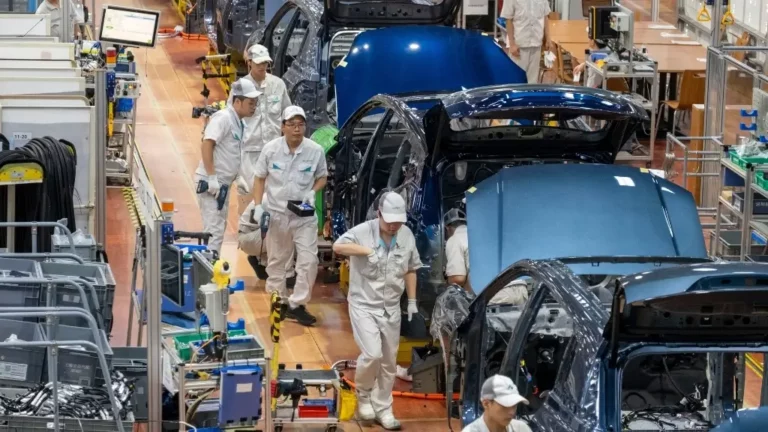
The U.S. National Highway Traffic Safety Administration (NHTSA) is investigating over 1.4 million Honda vehicles sold in the United States due to defective connecting rod bearings that may fail, leading to complete engine failure.

NHTSA’s Office of Defects Investigation (ODI) received 414 reports of issues affecting the 3.5-liter V6 engines. The investigation covers 1,410,806 vehicles from the following model years and nameplates:

  • 2016–2020 Acura MDC
  • 2018–2020 Acura TLX
  • 2018–2020 Honda Odyssey
  • 2016–2020 Honda Pilot
  • 2017–2019 Honda Ridgeline

Sign up for CBT News’ daily newsletter and get the latest industry stories delivered straight to your inbox.

Currently, there have been seven reports from both the ODI and the manufacturer of crashes or fires, but there are no reported injuries or fatalities related to the investigation.

In November 2024, NHTSA opened a probe into over 1 million Honda engines after the automaker recalled 249,000 vehicles for a similar issue concerning the connecting rod bearing. That probe has since been closed.

NHTSA’s ODI has determined that this latest recall is outside of the scope of the previous recall (23V-751. Due to the sheer number of reports of engine failure, the U.S. agency is opening another probe to assess the potential safety risks thoroughly.
More from Articles
Waymo's driverless cars crash 68% less than humans, IIHS study finds

Waymo’s driverless cars crash 68% less than humans, IIHS study finds

- July 24, 2026
On the Dash: Waymo vehicles crashed 68% less often than human drivers over 50 million miles studied Single-vehicle crashes dropped 85% and injury crashes dropped 81% compared with human...
International automakers grow U.S. economic footprint 58%, new report says

International automakers grow U.S. economic footprint 58%, new report says

- July 24, 2026
On the Dash: International brands continue to drive the majority of U.S. dealership employment and retail sales. Hybrid demand remains a major growth opportunity, with international automakers controlling 91%...
Rolling surveillance: NOW school buses ARE license plate readers!

Rolling surveillance: NOW school buses ARE license plate readers!

- July 24, 2026
When communities agreed to install cameras on school buses, the purpose seemed straightforward. The cameras would identify drivers who illegally passed a stopped school bus, putting children at risk, and...

Auto Exchange Group enters franchised retail with Indiana acquisition

- July 24, 2026
Auto Exchange Group LLC has acquired Auto Exchange Chevrolet GMC in Sullivan, Indiana, from CP Automotive Sales, LLC. The transaction marks the buyer's first franchised dealership acquisition and was supported...
CBT News
Privacy Overview

This website uses cookies so that we can provide you with the best user experience possible. Cookie information is stored in your browser and performs functions such as recognising you when you return to our website and helping our team to understand which sections of the website you find most interesting and useful.