TSLA352.840-4.61%
GM80.470-0.17%
F12.310-0.07%
RIVN14.9700.18%
CYD32.6100.17%
HMC32.090-0.4%
TM186.710-1.59%
CVNA63.6203.15%
PAG201.780-5.44%
LAD289.260-13.81%
AN156.800-4.56%
GPI240.930-1.3%
ABG173.950-5.73%
SAH59.850-2.6%
TSLA352.840-4.61%
GM80.470-0.17%
F12.310-0.07%
RIVN14.9700.18%
CYD32.6100.17%
HMC32.090-0.4%
TM186.710-1.59%
CVNA63.6203.15%
PAG201.780-5.44%
LAD289.260-13.81%
AN156.800-4.56%
GPI240.930-1.3%
ABG173.950-5.73%
SAH59.850-2.6%
TSLA352.840-4.61%
GM80.470-0.17%
F12.310-0.07%
RIVN14.9700.18%
CYD32.6100.17%
HMC32.090-0.4%
TM186.710-1.59%
CVNA63.6203.15%
PAG201.780-5.44%
LAD289.260-13.81%
AN156.800-4.56%
GPI240.930-1.3%
ABG173.950-5.73%
SAH59.850-2.6%

Japan presses U.S. to finalize tariff cut on auto imports

Tokyo seeks written clarification after President Trump’s new tariff order sparks uncertainty over Japanese car import rates.
Trade negotiator Ryosel Akazawa urged U.S. Commerce Secretary Howard Lutnick to implement an agreed tariff cut on Japanese cars and auto parts

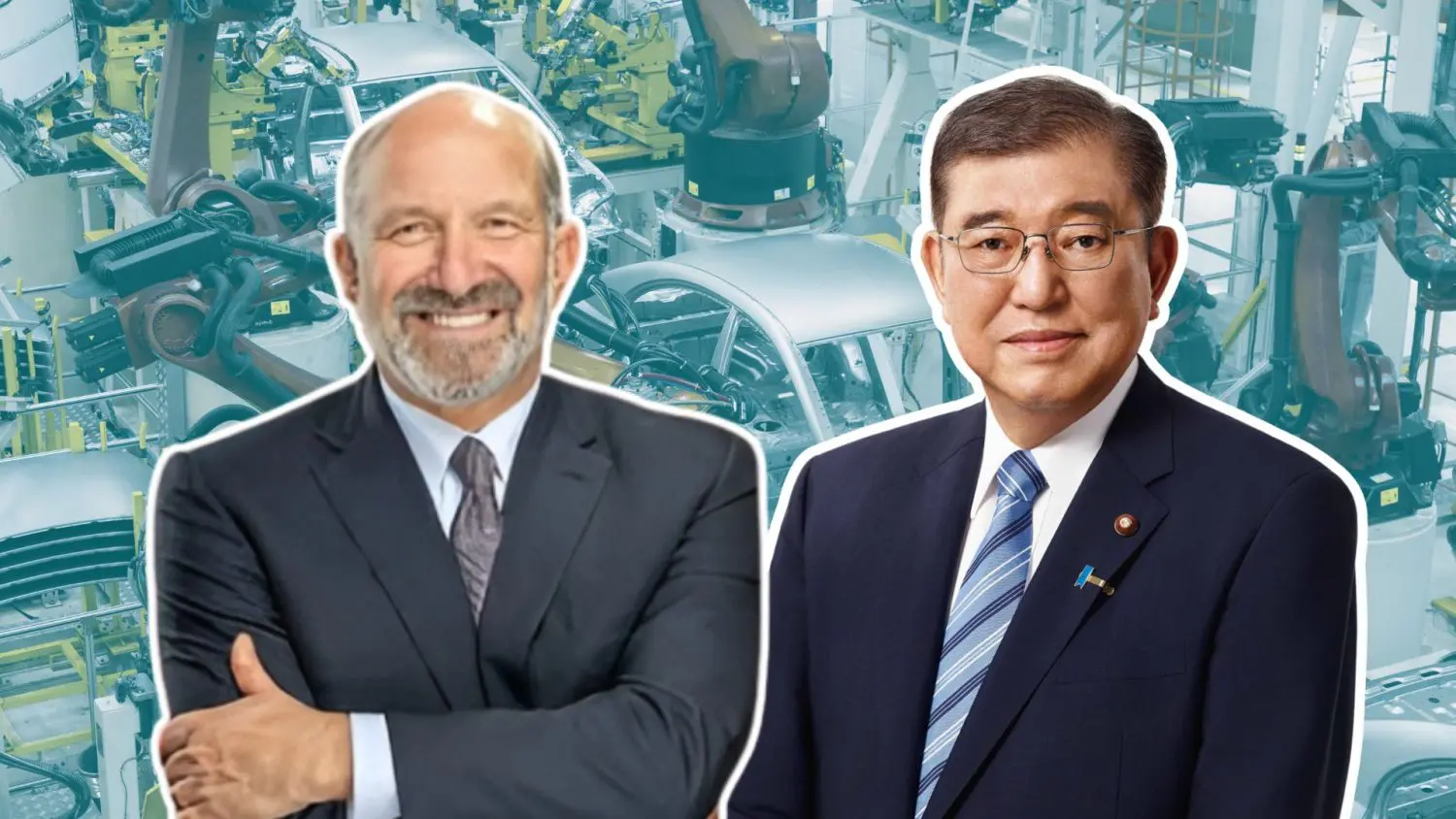
U.S. Commerce Secretary Howard Lutnick & Japanese Prime Minister Shigeru Ishiba

During a Washington meeting on Wednesday, trade negotiator Ryosei Akazawa urged U.S. Commerce Secretary Howard Lutnick to swiftly implement a previously agreed tariff cut on Japanese cars and auto parts. The U.S. had agreed last month to lower duties on Japanese vehicle imports from 27.5% to 15%, but has yet to provide a formal timeline or written confirmation. 

This meeting came hours after President Donald Trump enacted broader tariff increases on dozens of global trading partners, leaving Japanese officials scrambling to confirm whether the 15% rate would stack on top of the existing tariff. However, Japanese Prime Minister Shigeru Ishiba told reporters Thursday there were no discrepancies in interpretation, but the lack of a signed joint statement continues to generate political backlash.   

Sign up for CBT News’ daily newsletter and get the latest industry stories delivered straight to your inbox.

Ishiba’s administration, already under pressure following his party’s election losses, is facing mounting criticism for not formalizing the trade deal in writing. Opposition lawmakers argue the absence of documentation could leave Japan vulnerable to sudden policy shifts from Washington. 

Here’s why it matters:

If the tariff goes into effect without additional charges, Japanese auto brands and parts could become significantly more affordable for U.S. dealers and consumers. However, ongoing uncertainty over whether new 15% tariffs will stack with existing ones may disrupt pricing forecasts, inventory strategies, and import scheduling, particularly for dealers who rely heavily on Japanese nameplates or parts. 

Key takeaways:

  • Tariff cut still not finalized
    Although the U.S. agreed to reduce tariffs on Japanese auto imports from 27.5% to 15%, there is no formal deadline or signed document committing to the change. 
  • Risk of double tariff application
    Japanese officials fear a 15% tariff may be added on top of existing duties due to unclear language in President Trump’s executive order. This could negate the expected cost relief for imported vehicles and parts.
  • Lack of written agreement raises doubts
    Prime Minister Ishiba’s decision to forgo a written statement is facing criticism in Japan’s parliament, with lawmakers warning that ambiguity leaves the door open to future U.S. reversals or reinterpretations. 
  • Mixed signals from Washington
    While one White House source reportedly indicated stacked tariffs may apply, Japan’s top officials say they’ve been reassured that they will not. 
  • Political instability adds market uncertainty
    With Japan’s ruling coalition weakened after election losses and Ishiba under pressure, political instability could complicate future trade enforcement or renegotiations.
Read More
More from Articles
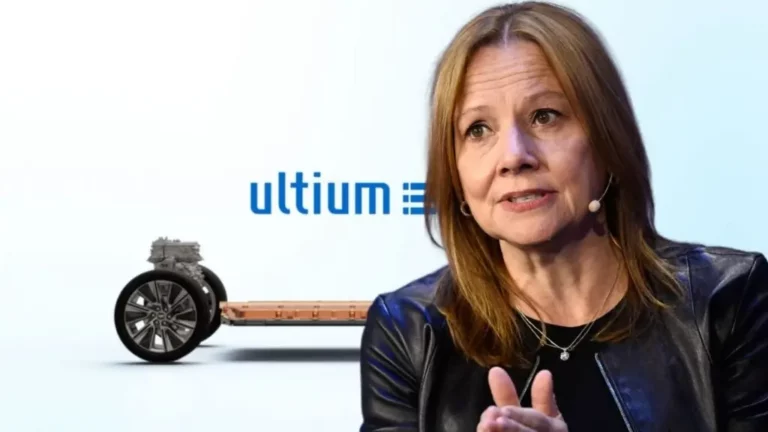
GM and LG expand LMR battery production with 500 new Tennessee jobs

GM and LG expand LMR battery production with 500 new Tennessee jobs

- September 30, 2026
On the Dash: Ultium Cells plans to become the first manufacturer to commercially produce LMR prismatic battery cells, with production expected to begin after facility upgrades are completed in 2028. ...
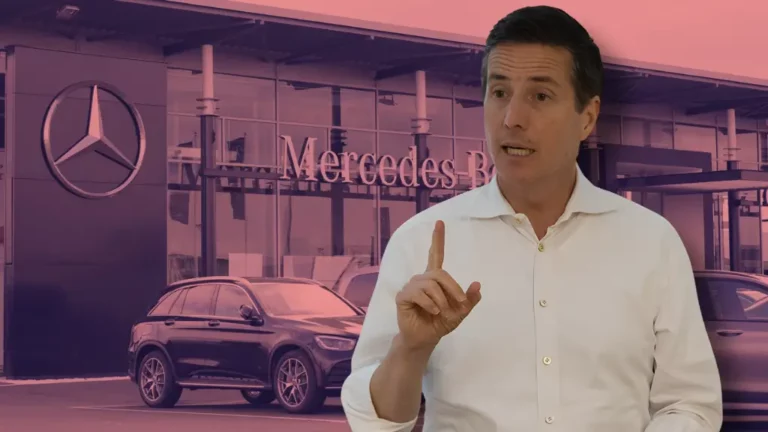
Mercedes-Benz won't be banned under Chinese vehicle bill, Sen. Bernie Moreno says

Sen. Moreno says Chinese vehicle bill will not ban Mercedes-Benz in the U.S.

- September 30, 2026
On the Dash: Sen. Bernie Moreno (R-Ohio) says the Chinese vehicle bill will not ban Mercedes-Benz from selling in the U.S. Mercedes-Benz has nearly 20% Chinese ownership, which is above...
BMW targets 5% margins by 2028 as it expands local production

BMW targets 5% margins by 2028 as it expands local production

- September 30, 2026
On the Dash: BMW is targeting a 3% to 5% automotive division margin by 2028, with a longer-term goal of 8% to 10% in the early 2030s. The automaker plans...
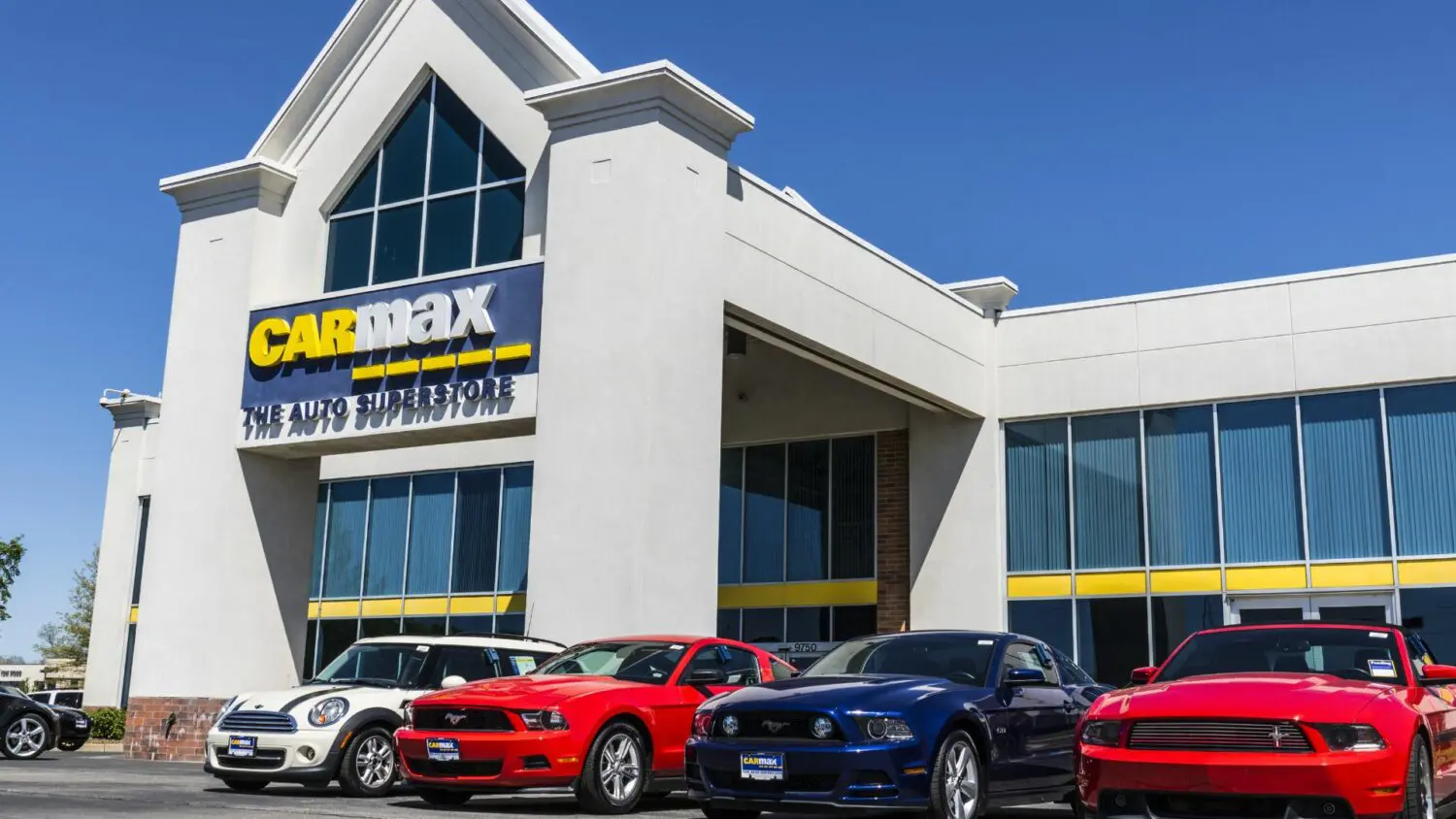
CarMax reports second quarter fiscal 2027 results

CarMax reports second quarter fiscal 2027 results

- September 30, 2026
RICHMOND, Va.--(BUSINESS WIRE)-- CarMax, Inc. (NYSE:KMX) today reported results for the second quarter ended August 31, 2026. Second Quarter Highlights:(1) Total net revenues rose 19.5% to $7.9 billion. Combined retail and...
CBT News
Privacy Overview

This website uses cookies so that we can provide you with the best user experience possible. Cookie information is stored in your browser and performs functions such as recognising you when you return to our website and helping our team to understand which sections of the website you find most interesting and useful.