General Motors (GM) reaffirmed its commitment to electric vehicles during its Q2 2025 earnings call, calling EVs its “North Star” and announcing it now holds the No. 2 spot in U.S. EV sales, behind Tesla.
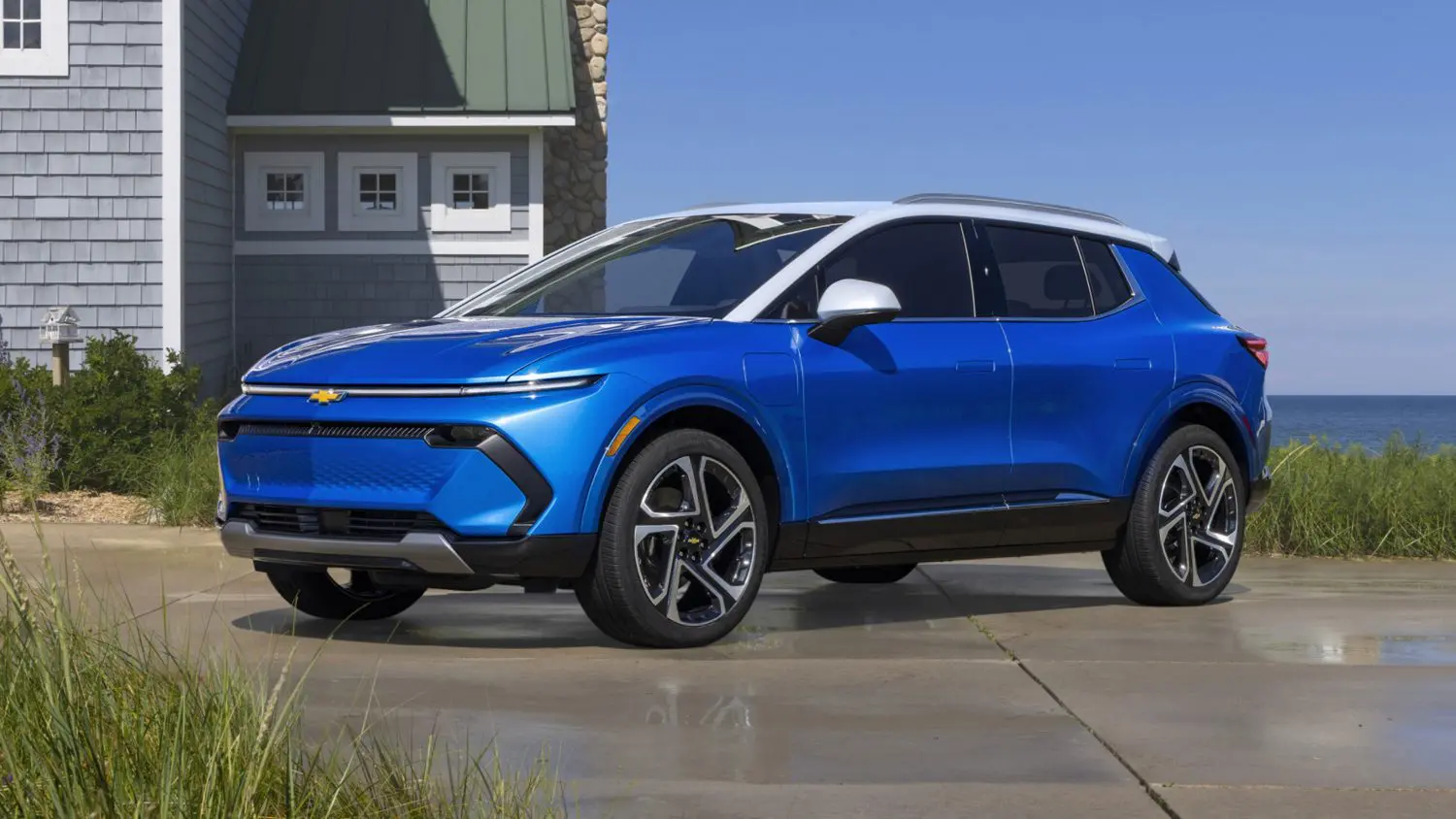
GM sold 46,300 EVs in the quarter, more than double from the same period last year, despite broader market volatility. Executives credited the company’s flexible production strategy, which allows plants to shift between electric and gas-powered vehicles based on demand. That manufacturing agility, combined with a growing EV portfolio under Chevrolet and Cadillac, offers GM a competitive advantage as the industry prepares for the end of federal EV tax credits on September 30.
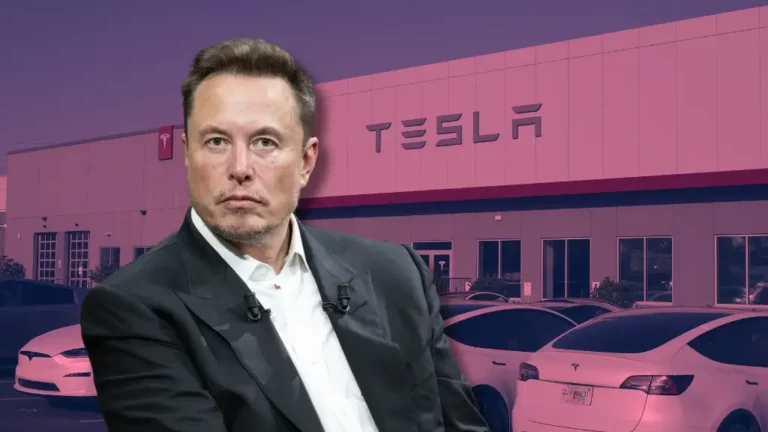
With Tesla facing declining deliveries and overexposure to a shrinking incentive-driven market, GM’s dual-track approach positions dealers to offer more resilient product choices in a shifting landscape.
Here’s why it matters:
GM’s production flexibility and investment in both EV and ICE platforms offer a strategic cushion against market volatility and policy changes. As federal tax incentives for EVs expire and demand patterns remain unstable, the ability to adjust inventory based on regional demand becomes more important than ever. GM’s broad model mix allows dealers to meet customers where they are, whether they’re ready to adopt electric or prefer traditional powertrains, without relying solely on one market segment. The strength of Chevrolet and Cadillac in EV brand rankings gives dealers added leverage to compete against Tesla and other brands with narrower offerings. This balanced approach provides a critical edge as showrooms prepare for likely EV surges in Q3 followed by anticipated slowdowns in Q4.
Key takeaways:
- GM claims No. 2 U.S. EV position
GM sold 46,300 EVs in Q2 2025, up from 21,900 a year ago, placing it behind Tesla and ahead of other legacy automakers in the electric segment. - Tax credit expiration looms over Q4 outlook
EV sales are expected to peak in Q3 ahead of the September 30 end of federal EV tax credits. A market contraction is likely in Q4 as incentives vanish. - Built-in production flexibility seen as strategic advantage
GM’s ability to shift between EV and ICE production, backed by investments in U.S. plants, helps buffer the impact of demand volatility and policy changes. - EV growth slower than expected, but still central to GM’s strategy
CEO Mary Barra reaffirmed GM’s commitment to EVs, describing them as the company’s “North Star,” despite near-term market headwinds. - Chevrolet and Cadillac rise in EV brand rankings
GM said Chevrolet is now the No. 2 EV brand and Cadillac ranks No. 5, demonstrating growing brand strength amid intensifying competition.