TSLA426.0108.16%
GM78.7901.58%
F14.9301.26%
RIVN14.2200.07%
CYD57.3501.69%
HMC26.4700.21%
TM189.080-0.58%
CVNA68.2803.89%
PAG164.7303%
LAD276.5802.05%
AN189.9803.55%
GPI326.1806.07%
ABG187.7202.34%
SAH78.1602.26%
TSLA426.0108.16%
GM78.7901.58%
F14.9301.26%
RIVN14.2200.07%
CYD57.3501.69%
HMC26.4700.21%
TM189.080-0.58%
CVNA68.2803.89%
PAG164.7303%
LAD276.5802.05%
AN189.9803.55%
GPI326.1806.07%
ABG187.7202.34%
SAH78.1602.26%
TSLA426.0108.16%
GM78.7901.58%
F14.9301.26%
RIVN14.2200.07%
CYD57.3501.69%
HMC26.4700.21%
TM189.080-0.58%
CVNA68.2803.89%
PAG164.7303%
LAD276.5802.05%
AN189.9803.55%
GPI326.1806.07%
ABG187.7202.34%
SAH78.1602.26%

Honda to source hybrid vehicle batteries from Toyota U.S. plant

Honda’s collaboration with Toyota underscores the industry’s push to secure domestic supply chains and minimize financial risks amid uncertain trade policies.
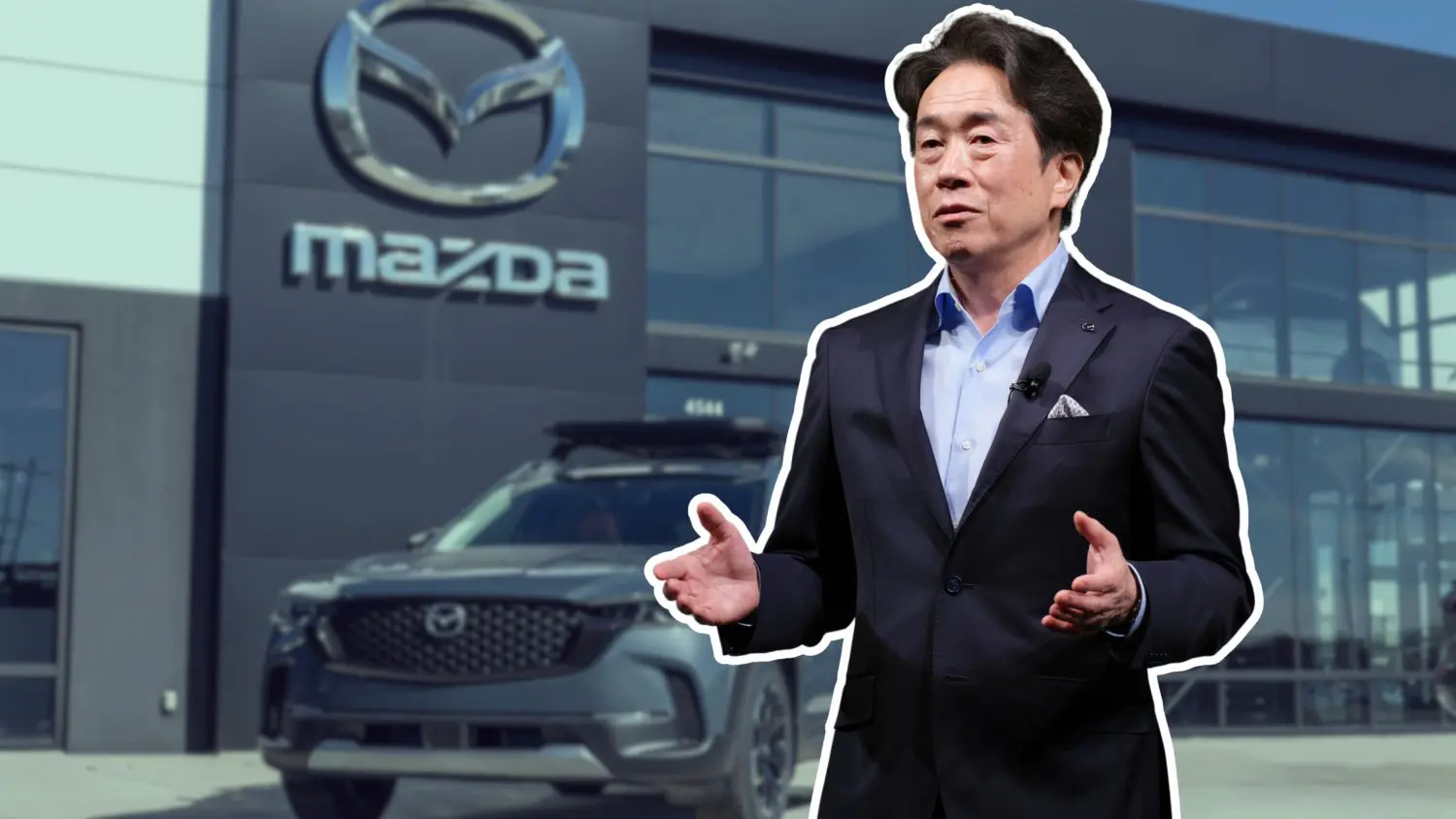
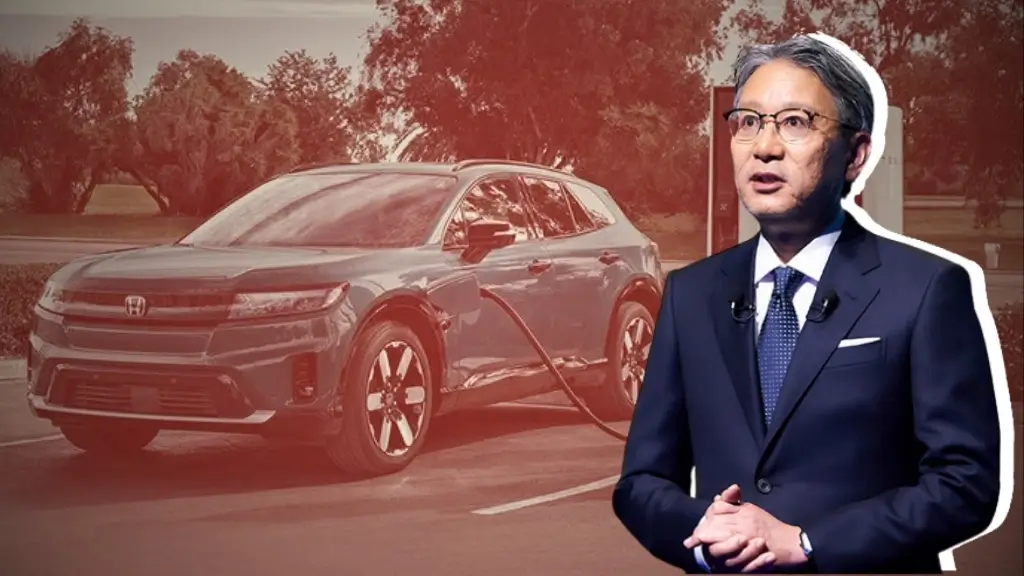
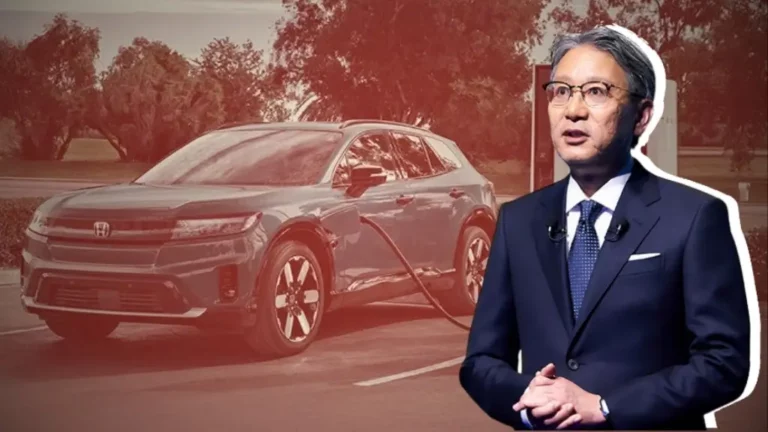
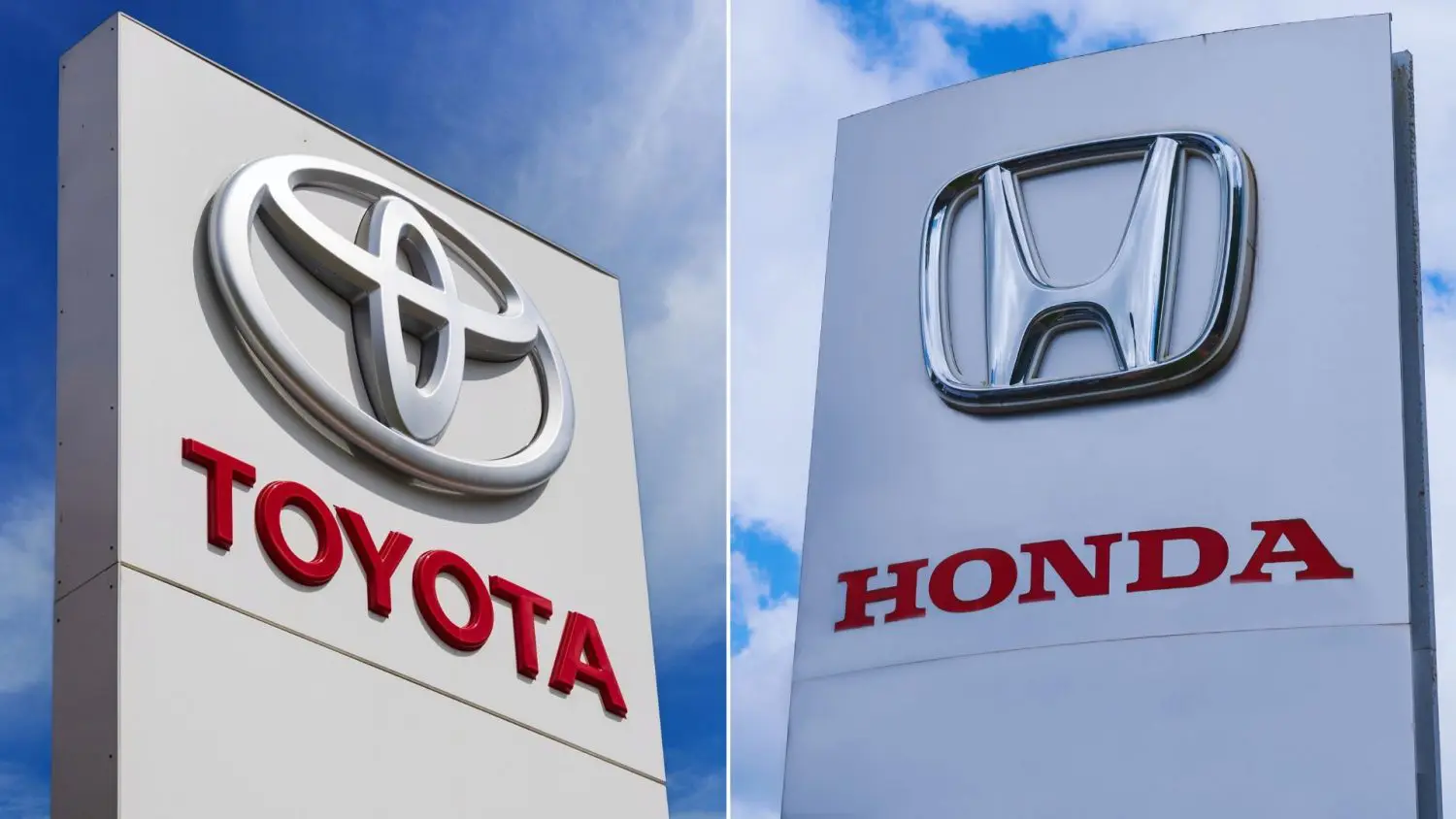
Honda will begin sourcing hybrid vehicle batteries from Toyota’s U.S. plant in a shift to protect its supply chain from new tariff policies.

Honda Motor will begin sourcing hybrid vehicle batteries from Toyota’s U.S. plant in a strategic shift to protect its supply chain from new tariff policies under President Donald Trump’s trade policies, according to reports from NikkeAsia

Starting in fiscal 2025, Honda will procure batteries from Toyota’s $14 billion North Carolina facility, which is set to begin shipments in April. The agreement will provide batteries for roughly 400,000 vehicles annually—enough to power all of Honda’s hybrid sales in the U.S. The move comes as Honda braces for potential tariffs that could significantly increase costs for Japanese automakers exporting to the U.S.

Sign up for CBT News’ daily newsletter and get the latest industry stories delivered straight to your inbox.

On March 4, the U.S. imposed an additional 10% tariff on all imports from China, following a previous 10% tariff in February. President Trump has also signaled plans to raise tariffs on auto imports from Japan to 25%- a sharp increase from the current 2.5%. If enacted, the tariffs could cost Japanese automakers operating in the U.S. an estimated $20 billion in additional levies, affecting a wide range of companies, including hybrid batteries. 

Honda, which has traditionally sourced batteries from Japan and China, is now restructuring its supply chain to mitigate these risks. The company has already shifted production of its next-generation Civic hybrid from Mexico to Indiana to avoid potential tariffs. Additional plans include moving some production from Canada and Mexico to the States, which could save Honda roughly $4.7 billion annually in tariff costs. 

For Toyota, the partnership with Honda offers significant benefits. Toyota aims to increase the share of electrified models—including hybrids—in its North American sales from 40% in 2024 to 80% by 2030. Adding Honda as a battery client will help the automaker offset the massive investment in its North Carolina battery plant by increasing production volume and reducing costs.

Furthermore, Hybrid vehicle sales in the U.S. are growing as demand for EVs slows. S&P Global Mobility projects that U.S. hybrid sales will reach 4.12 million units by 2030—2.5 times higher than in 2024—accounting for 25% of all new car sales. Honda has already seen hybrid sales climb, with 308,000 hybrid vehicles sold in 2024, making up 22% of its U.S. sales. The company aims to increase global hybrid sales, excluding China, by 50% from 2024 levels to 1.3 million units by 2030.

The broader auto industry is also adjusting supply chains in response to shifting U.S. trade policies. For instance, General Motors recently scaled back EV production at its northern Mexico plant, while Stellantis suspended operations at its Ontario facility and reopened a closed factory in Illinois to manufacture midsize pickup trucks.

As automakers navigate the changing landscape, Honda’s collaboration with Toyota underscores the industry’s push to secure domestic supply chains and minimize financial risks amid uncertain trade policies.

Further Reading
More from Articles
Bojangles Installs First EV Charging Station, Redefining the Roadside Stop with a New “Charge-and-Dine” Experience (1)

Bojangles installs first EV charging station, redefining the roadside stop with a new “charge-and-dine” experience

- May 22, 2026
SAVANNAH, Ga.--(BUSINESS WIRE)--As electric vehicle (EV) adoption continues to grow nationwide, Bojangles is reimagining the future of the roadside stop, debuting its first EV charging station at 4401 Ogeechee Road in Savannah,...
UAW presses for tougher U.S. manufacturing rules ahead of USMCA talks

UAW presses for tougher U.S. manufacturing rules ahead of USMCA talks

- May 22, 2026
On the Dash: UAW pressure for stricter U.S. production rules could reshape sourcing and vehicle assembly strategies across North America. Continued tariff uncertainty may increase costs and complicate dealers' inventory...
Ford halts F-150 production at Dearborn plant after stamping issue

Ford halts F-150 production at Dearborn plant after stamping issue

- May 22, 2026
On the Dash: Temporary F-150 production disruptions could place additional pressure on already tight truck inventory levels. Ford continues working to recover output after earlier supplier-related disruptions impacted dealer supply. ...
J.D. Power forecasts resilient U.S. auto sales despite affordability concerns

J.D. Power forecasts resilient U.S. auto sales despite affordability concerns

- May 22, 2026
On the Dash: Affordability pressures remain the biggest challenge for showroom traffic and closing rates. Hybrids and ICE vehicles continue outperforming EVs as consumers prioritize value and practicality. Leasing is...
CBT News
Privacy Overview

This website uses cookies so that we can provide you with the best user experience possible. Cookie information is stored in your browser and performs functions such as recognising you when you return to our website and helping our team to understand which sections of the website you find most interesting and useful.