TSLA374.865-12.645%
GM78.500-0.5%
F12.549-0.0811%
RIVN17.245-0.495%
CYD42.8900.3%
HMC24.550-0.07%
TM197.100-3.33%
CVNA406.340-10.45%
PAG158.965-0.505%
LAD276.020-0.56%
AN202.330-1.05%
GPI339.230-2.63%
ABG198.620-3.83%
SAH70.340-0.68%
TSLA374.865-12.645%
GM78.500-0.5%
F12.549-0.0811%
RIVN17.245-0.495%
CYD42.8900.3%
HMC24.550-0.07%
TM197.100-3.33%
CVNA406.340-10.45%
PAG158.965-0.505%
LAD276.020-0.56%
AN202.330-1.05%
GPI339.230-2.63%
ABG198.620-3.83%
SAH70.340-0.68%
TSLA374.865-12.645%
GM78.500-0.5%
F12.549-0.0811%
RIVN17.245-0.495%
CYD42.8900.3%
HMC24.550-0.07%
TM197.100-3.33%
CVNA406.340-10.45%
PAG158.965-0.505%
LAD276.020-0.56%
AN202.330-1.05%
GPI339.230-2.63%
ABG198.620-3.83%
SAH70.340-0.68%

Trump targets auto imports with new tariffs by April

While Trump's goal is to boost U.S. domestic production, the pressure of additional tariffs could lead to higher vehicle prices and disrupt integrated supply chains.
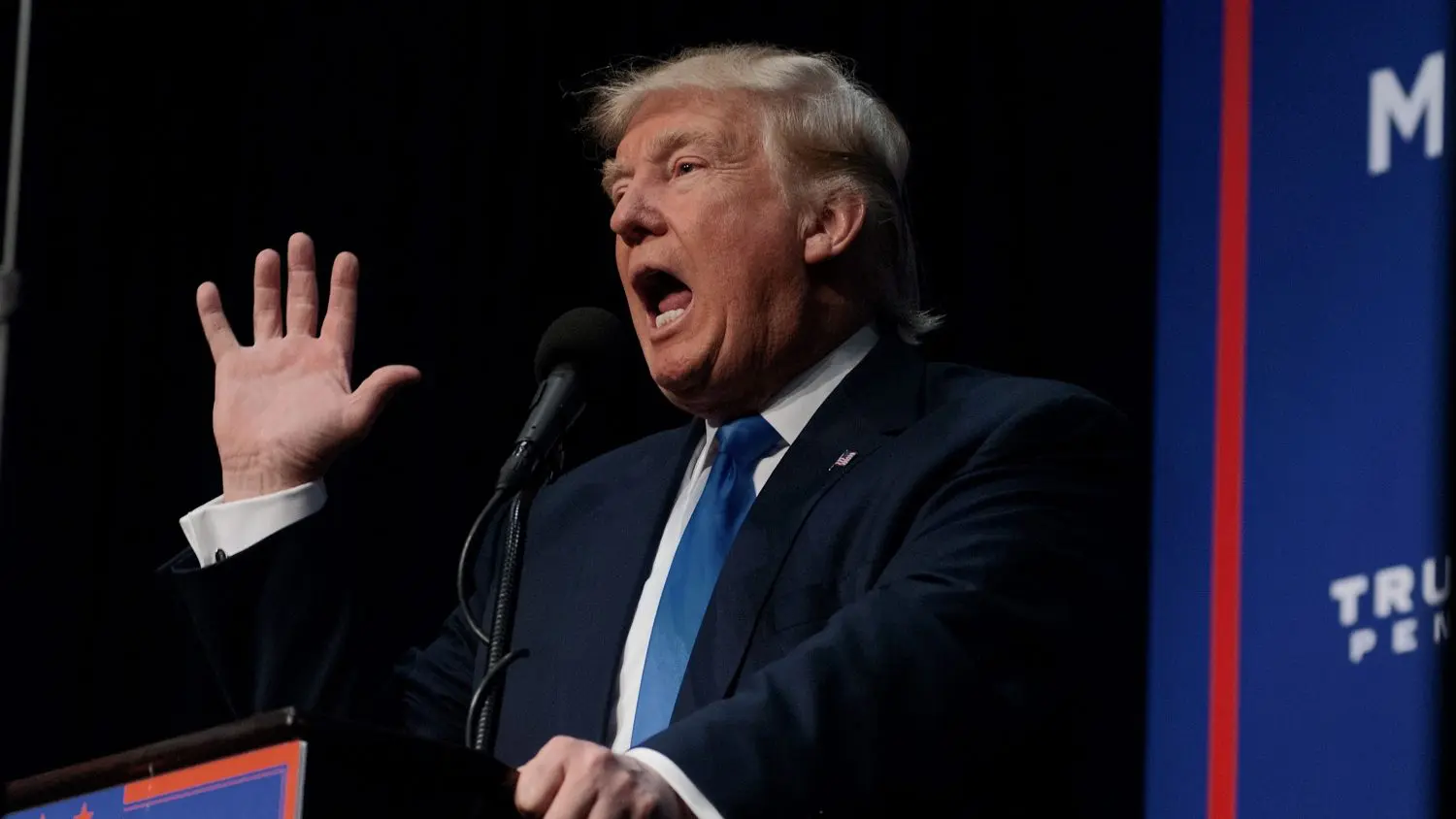
Trump plans new auto tariffs by April 2, targeting imports from Japan, Germany, and South Korea, aiming to boost U.S. production.

On Friday, President Donald Trump announced plans to impose new tariffs on automobiles, set to take effect around April 2. While the president did not provide details on the scope or rates of the potential tariffs, the move aligns with his broader trade strategy to encourage domestic production and reshape global trade relations. This latest announcement follows a series of escalating tariffs across multiple industries, including steel, aluminum, and semiconductors.

Trump’s trade policies have targeted both rivals and allies, pushing forreciprocal tariffson countries that impose import taxes on U.S. goods. These reciprocal tariffs, expected to begin as soon as April, are distinct from the auto-specific levies but signal a widening effort to restructure trade agreements.

Sign up for CBT News’ daily newsletter and get the latest industry stories delivered straight to your inbox.

Japan, Germany, and South Korea, whose brands dominate U.S. auto imports, stand to be affected the most. Imported vehicles accounted for roughly half of the U.S. auto market last year. According to data from Global Data, automakers such as Volkswagen and Hyundai-Kia rely heavily on overseas production, with 80% and 65% of their U.S. sales coming from imports, respectively.

The potential impact on vehicles manufactured under the U.S.-Mexico-Canada Agreement (USMCA) remains uncertain. North America’s auto industry is built on deeply interconnected supply chains, and any disruption could result in higher costs for manufacturers and consumers. Tariffs on auto imports could lead to price increases, affect production timelines, and complicate long-standing trade relationships between the three nations.

Industry groups have raised concerns over the consequences of these tariffs, though many are waiting for further details before issuing formal responses. If enacted, these levies could reshape the structure of the auto market, placing additional pressure on foreign automakers while testing the strength of existing trade agreements.
Read More
More from Articles
Tesla ramps up AI spending to $25B, signals near-term cash pressure

Tesla ramps up AI spending to $25B, signals near-term cash pressure

- April 23, 2026
On the Dash: Tesla’s pivot to AI and autonomy signals long-term disruption but near-term margin pressure across the EV segment. Increased competition and pricing pressure highlight the importance of value...
Amazon Autos expands to six brands,

Amazon Autos expands to six brands, reshaping online car buying

- April 23, 2026
On the Dash: Digital retail is accelerating, but dealers remain essential for fulfillment and compliance. Operational discipline is critical to avoid conflicts between online and showroom sales. Advertising and lead...
Rivian R2 Production Begins

Rivian begins R2 production, taking aim at traditional dealerships

- April 23, 2026
On the Dash: Rivian has begun building the R2, with first customer deliveries expected this spring. The R2 is Rivian's first vehicle designed to compete in the mainstream market. Rivian's...
EV rentals, EVs, electric vehicles, Hetrz,

More drivers turn to EV rentals as gas prices top $4

- April 23, 2026
On the Dash: EV rentals are surging at Hertz and Turo as gas prices top $4 a gallon nationwide. The conflict in Iran has pushed U.S. gas prices up more...
CBT News
Privacy Overview

This website uses cookies so that we can provide you with the best user experience possible. Cookie information is stored in your browser and performs functions such as recognising you when you return to our website and helping our team to understand which sections of the website you find most interesting and useful.