TSLA352.840-4.61%
GM80.470-0.17%
F12.310-0.07%
RIVN14.9700.18%
CYD32.6100.17%
HMC32.090-0.4%
TM186.710-1.59%
CVNA63.6203.15%
PAG201.780-5.44%
LAD289.260-13.81%
AN156.800-4.56%
GPI240.930-1.3%
ABG173.950-5.73%
SAH59.850-2.6%
TSLA352.840-4.61%
GM80.470-0.17%
F12.310-0.07%
RIVN14.9700.18%
CYD32.6100.17%
HMC32.090-0.4%
TM186.710-1.59%
CVNA63.6203.15%
PAG201.780-5.44%
LAD289.260-13.81%
AN156.800-4.56%
GPI240.930-1.3%
ABG173.950-5.73%
SAH59.850-2.6%
TSLA352.840-4.61%
GM80.470-0.17%
F12.310-0.07%
RIVN14.9700.18%
CYD32.6100.17%
HMC32.090-0.4%
TM186.710-1.59%
CVNA63.6203.15%
PAG201.780-5.44%
LAD289.260-13.81%
AN156.800-4.56%
GPI240.930-1.3%
ABG173.950-5.73%
SAH59.850-2.6%

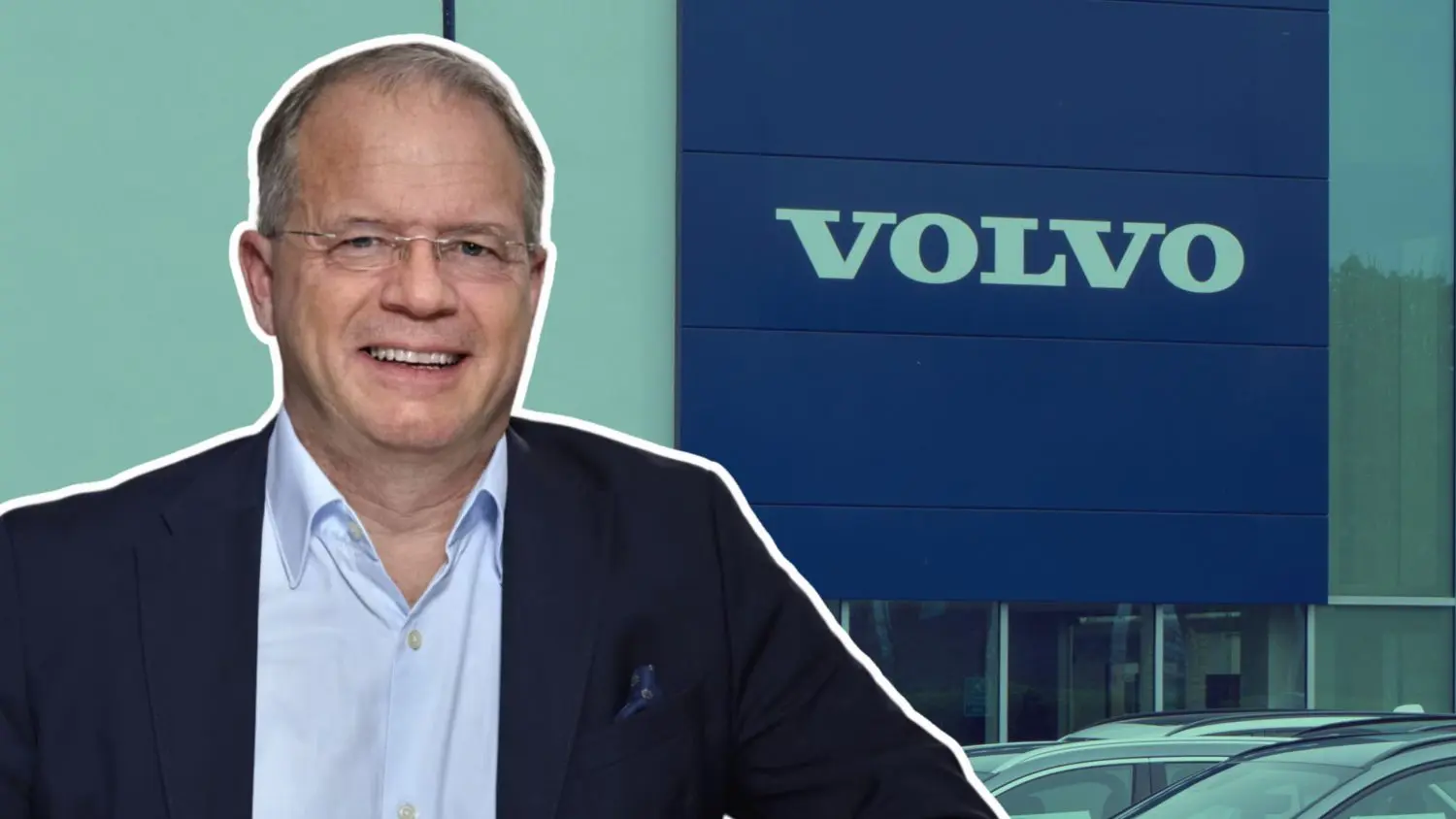
Volvo adjusts production strategy amid market challenges and increased competition

The automaker is bracing itself for a tough 2025 with rising tariffs, slower EV adoption, and intensifying competition.
Volvo Cars faces challenges in 2025, including tariffs, slowing EV adoption, and rising competition from Chinese automakers.

Volvo reported a 12% rise in operating income for 2024, reaching $2.04 billion, driven by an 8% increase in sales and record revenue. However, the company is bracing for significant challenges in 2025, as it faces slowing market growth, intensifying electric vehicle (EV) competition, and the ongoing impact of global trade tariffs.

While Volvo performed well in 2024, its fourth-quarter results showed a 28% decline in profit, largely due to a $155.6 million impairment tied to its joint venture with Swedish battery developer Northvolt. Additionally, sales in China and the U.S. saw slight declines, underscoring regional challenges. The automaker believes that 2025 will be a challenging and transitional year, anticipating slower market growth and increased industry-wide discounts that would make it difficult to match 2024’s volumes and profitability.

Sign up for the CBT News daily newsletter and get the top industry stories delivered straight to your inbox, keeping you informed and ahead of the curve!

One of the major obstacles Volvo faces is the global tariff environment. Rising tariffs, particularly on EV imports from China to the EU and U.S., have already forced the automaker to relocate production from China to Belgium. With U.S. tariffs on Canadian and Mexican vehicle imports, Volvo is considering further production and supplier relocations to adapt to the shifting trade landscape. These tariff changes, especially the increase on EV batteries, are expected to remain a significant factor in the automaker’s strategy.

The electric vehicle transition is also a key area of focus. Volvo’s decision to delay its exclusive shift to EVs beyond 2030 reflects the challenges surrounding adoption rates and the high costs of EV development. In 2024, the company increased its share of battery EV sales to 23% from 16% in the previous year. Rowan emphasized that the pace of EV adoption would slow in 2025, but Volvo’s hybrid technologies—both mild and plug-in—position it to weather this shift more smoothly than competitors relying solely on fully electric models.

In addition to market slowdowns, Volvo must contend with fierce competition from Chinese automakers like BYD, which dominate the entry-level EV sector. Volvo’s premium hybrid models cater to a different segment in China, and price cuts in the premium market are anticipated as Chinese manufacturers intensify their global push. This “hyper-competitiveness,” originating in China, is expected to spread to Europe and North America by 2025.

As the automotive industry moves beyond electrification, Volvo is also focusing on advancing software, connectivity, and data technologies. The high cost of developing new automotive technologies is expected to spur industry consolidation, with major players like Honda and Nissan already exploring merger opportunities.

Read More
More from Articles
GM and LG expand LMR battery production with 500 new Tennessee jobs

GM and LG expand LMR battery production with 500 new Tennessee jobs

- September 30, 2026
On the Dash: Ultium Cells plans to become the first manufacturer to commercially produce LMR prismatic battery cells, with production expected to begin after facility upgrades are completed in 2028. ...
Mercedes-Benz won't be banned under Chinese vehicle bill, Sen. Bernie Moreno says

Sen. Moreno says Chinese vehicle bill will not ban Mercedes-Benz in the U.S.

- September 30, 2026
On the Dash: Sen. Bernie Moreno (R-Ohio) says the Chinese vehicle bill will not ban Mercedes-Benz from selling in the U.S. Mercedes-Benz has nearly 20% Chinese ownership, which is above...
BMW targets 5% margins by 2028 as it expands local production

BMW targets 5% margins by 2028 as it expands local production

- September 30, 2026
On the Dash: BMW is targeting a 3% to 5% automotive division margin by 2028, with a longer-term goal of 8% to 10% in the early 2030s. The automaker plans...
CarMax reports second quarter fiscal 2027 results

CarMax reports second quarter fiscal 2027 results

- September 30, 2026
RICHMOND, Va.--(BUSINESS WIRE)-- CarMax, Inc. (NYSE:KMX) today reported results for the second quarter ended August 31, 2026. Second Quarter Highlights:(1) Total net revenues rose 19.5% to $7.9 billion. Combined retail and...
CBT News
Privacy Overview

This website uses cookies so that we can provide you with the best user experience possible. Cookie information is stored in your browser and performs functions such as recognising you when you return to our website and helping our team to understand which sections of the website you find most interesting and useful.