
The National Highway Traffic Safety Administration (NHTSA) is implementing new measures to enhance vehicle safety with a dual focus on crash prevention and reducing fatalities among pedestrians.
The alarming rise in pedestrian deaths, a 57% increase from 2013 to 2022, has catapulted pedestrian safety to the forefront of national concern. The current average of 7,522 annual deaths is a stark reminder of the urgent need for action.
On Monday, NHTSA finalized updates to its consumer-facing 5-Star Safety Ratings program, a key tool for consumers to evaluate the safety of vehicles. Congress required these changes under the 2021 Bipartisan Infrastructure Law, reflecting the growing importance of vehicle safety in the national agenda.
In addition to the 5-star ratings system, four new technologies will be included in the criteria:
- Pedestrian automatic emergency braking
- Lane-keeping assist
- Blind spot warning
- Intervention for blind-spot maneuvers
These safety ratings will be consumer-facing, showing up as a green checkmark as consumers shop, and will be displayed on vehicle window stickers.
Automakers must make these safety features standard equipment on their vehicles to get credit for having them. In addition, automatic emergency braking will be required on all cars by 2029, with a phased implementation plan for the other safety features.
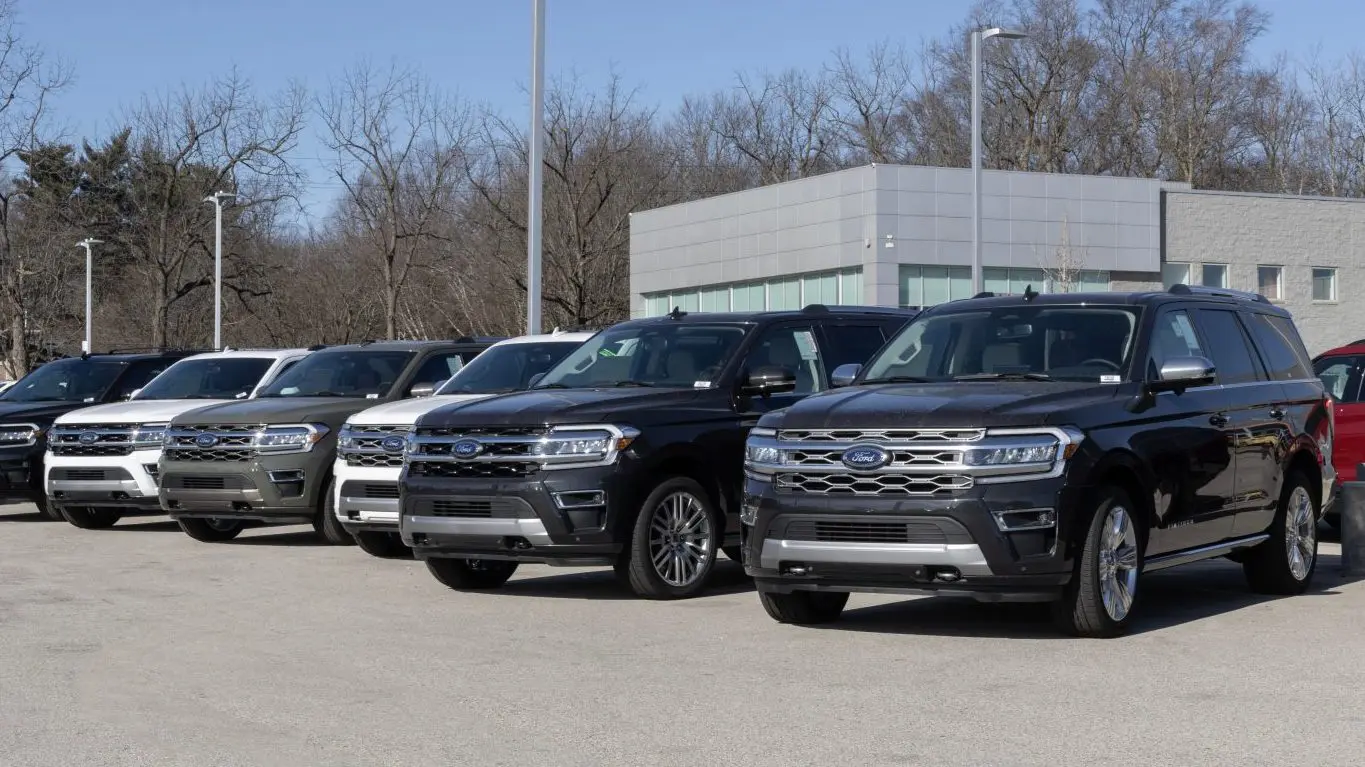
NHTSA’s proactive stance is further evident in its intention to propose regulations that will require most vehicles in the U.S. to be designed to reduce the severity of certain types of crashes involving pedestrians. Studies have found that both hood shape and height among trucks and SUVs led to higher pedestrian casualties. These proposed regulations, which will apply to a wide range of vehicles, are expected to save approximately 67 lives annually, a testament to NHTSA’s commitment to enhancing vehicle safety.
However, The Alliance for Automotive Innovation, a trade group representing automakers including Ford, General Motors, Hyundai, Stellantis, and Toyota, expressed disdain for the ordinance. While they agree that safety is a top priority, they’re concerned that the decision will force them to make costly changes to their vehicle designs. It will require a lot of capital and will shift the focus away from research and development to implement better drive-assistance technologies. They argue that such a shift could slow down innovation in other vehicle design and technology areas.
NHTSA’s new safety measures represent a critical step toward addressing the alarming rise in pedestrian fatalities and enhancing overall vehicle safety. By integrating advanced safety technologies into its 5-Star Safety Ratings system and proposing regulations to mitigate crash severity, the agency aims to save lives and promote safer roads. However, the tension between regulatory requirements and the automakers’ concerns over costs and innovation highlights the complexities of balancing immediate safety needs with long-term technological advancements. As these changes take shape, ongoing collaboration between regulators, automakers, and safety advocates will be essential to achieve meaningful progress in reducing road fatalities while fostering innovation in vehicle design.