TSLA409.990-12.25%
GM73.100-1.76%
F13.030-0.37%
RIVN13.350-0.44%
CYD50.4400.44%
HMC25.210-0.97%
TM187.370-3.31%
CVNA66.030-1.14%
PAG159.750-2.43%
LAD264.8902.97%
AN181.940-2.21%
GPI317.1803.56%
ABG176.280-2.89%
SAH74.0600.1%
TSLA409.990-12.25%
GM73.100-1.76%
F13.030-0.37%
RIVN13.350-0.44%
CYD50.4400.44%
HMC25.210-0.97%
TM187.370-3.31%
CVNA66.030-1.14%
PAG159.750-2.43%
LAD264.8902.97%
AN181.940-2.21%
GPI317.1803.56%
ABG176.280-2.89%
SAH74.0600.1%
TSLA409.990-12.25%
GM73.100-1.76%
F13.030-0.37%
RIVN13.350-0.44%
CYD50.4400.44%
HMC25.210-0.97%
TM187.370-3.31%
CVNA66.030-1.14%
PAG159.750-2.43%
LAD264.8902.97%
AN181.940-2.21%
GPI317.1803.56%
ABG176.280-2.89%
SAH74.0600.1%

U.S. delays tariff increases on Chinese imports, including EVs and batteries

The new tariff measures affect $18 billion worth of Chinese goods, including steel, aluminum, semiconductors, electric vehicles, critical minerals, solar cells, and cranes.
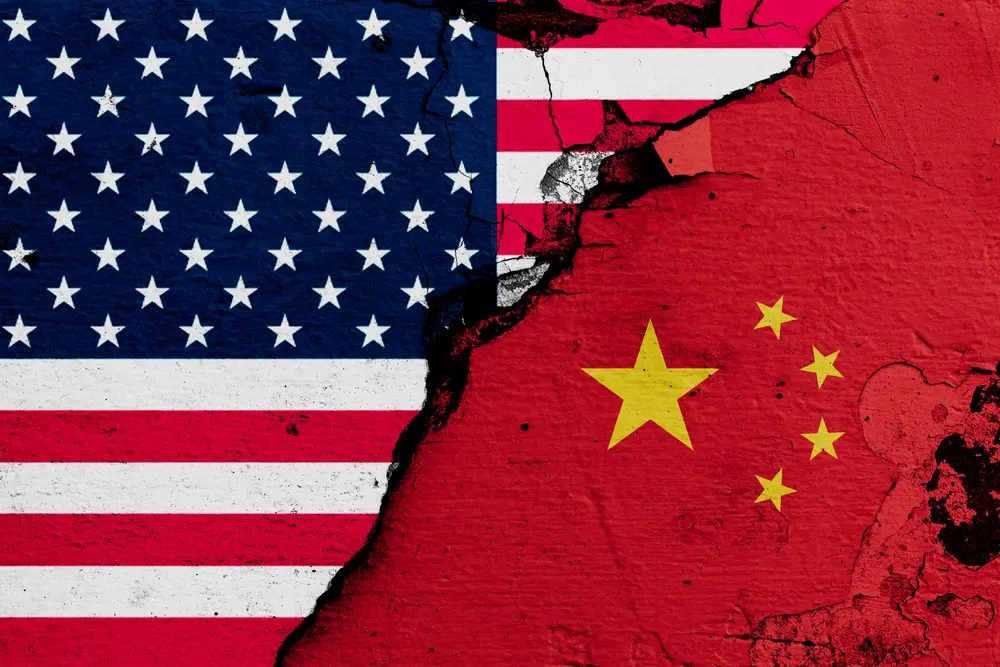
The U.S. Trade Representative's office announced a delay in implementing steep tariff increases on a range of Chinese imports.

The U.S. Trade Representative’s office announced a delay in implementing steep tariff increases on a range of Chinese imports, including electric vehicles, their batteries, computer chips, and medical products. Initially set to take effect on August 1, the tariffs will now be delayed by at least two weeks as the office reviews over 1,100 comments received from stakeholders.

In May, President Joe Biden decided to maintain tariffs imposed by former President Donald Trump and to increase others significantly. The new tariffs include quadrupling import duties on Chinese EVs to over 100% and doubling semiconductor duties to 50%. Additionally, there are proposed tariffs of 25% on medical masks and gloves and 50% on syringes.

Washington’s strategy includes substantial investments in clean energy tax subsidies to bolster U.S. industries such as electric vehicles, solar energy, and other emerging technologies. The tariffs aim to protect American jobs from the influx of inexpensive Chinese imports, which could undermine U.S. production capabilities.

The new tariff measures affect $18 billion worth of Chinese goods, including steel, aluminum, semiconductors, electric vehicles, critical minerals, solar cells, and cranes. Although Chinese EV imports to the U.S. are minimal, the tariffs could have a significant political impact. The Port Authority of New York and New Jersey has raised concerns, noting that the tariffs would increase the cost of each crane by $4.5 million, straining the port’s resources.

Lithium-ion batteries are the largest category targeted by the tariffs, accounting for $13.2 billion of the imports. According to U.S. Census Bureau data, the U.S. imported $427 billion in goods from China in 2023 and exported $148 billion, highlighting a persistent trade gap.

The USTR is expected to announce its final determination on the tariffs in August, and the new tariffs will take effect approximately two weeks after the announcement.


Read More
More from Articles
House bill targeting EV and PHEV owners sparks environmental backlash

House bill targeting EV and PHEV owners sparks environmental backlash

- May 19, 2026
On the Dash: The BUILD America 250 Act would charge EV owners $130 annually in federal registration fees. Plug-in hybrid owners would pay $35, with both fees rising every two...
Stellantis CEO Antonio Filosa to unveil turnaround strategy focused on U.S. recovery

Stellantis CEO Antonio Filosa to unveil turnaround strategy focused on U.S. recovery

- May 19, 2026
On the Dash: Stellantis is prioritizing a U.S. sales recovery, signaling renewed focus on North American dealers and product strategy. The company may concentrate more investment behind Jeep and Ram,...
Nissan says dealer-focused strategy

Nissan says dealer-focused strategy boosted retail market share

- May 19, 2026
On the Dash: Nissan’s retail-first strategy is prioritizing dealer profitability over lower-margin fleet growth. Strong SUV and truck demand continues driving showroom momentum across core nameplates. Increased U.S. localization could...
Rising gas prices push shoppers toward hybrids and used vehicles

Rising gas prices push shoppers toward hybrids and used vehicles

- May 19, 2026
On the Dash: Rising fuel prices are accelerating consumer interest in hybrids and fuel-efficient vehicles. Affordable, low-mileage used inventory is becoming increasingly important for payment-sensitive shoppers. Hybrids continue posting some...
CBT News
Privacy Overview

This website uses cookies so that we can provide you with the best user experience possible. Cookie information is stored in your browser and performs functions such as recognising you when you return to our website and helping our team to understand which sections of the website you find most interesting and useful.