TSLA391.000-27.45%
GM82.110-0.93%
F14.900-0.44%
RIVN16.350-1.77%
CYD56.760-1.4%
HMC26.700-1.23%
TM177.160-2.34%
CVNA66.5000.31%
PAG171.020-0.59%
LAD288.840-1.76%
AN187.720-0.42%
GPI311.0005.57%
ABG190.9800.83%
SAH82.160-2.16%
TSLA391.000-27.45%
GM82.110-0.93%
F14.900-0.44%
RIVN16.350-1.77%
CYD56.760-1.4%
HMC26.700-1.23%
TM177.160-2.34%
CVNA66.5000.31%
PAG171.020-0.59%
LAD288.840-1.76%
AN187.720-0.42%
GPI311.0005.57%
ABG190.9800.83%
SAH82.160-2.16%
TSLA391.000-27.45%
GM82.110-0.93%
F14.900-0.44%
RIVN16.350-1.77%
CYD56.760-1.4%
HMC26.700-1.23%
TM177.160-2.34%
CVNA66.5000.31%
PAG171.020-0.59%
LAD288.840-1.76%
AN187.720-0.42%
GPI311.0005.57%
ABG190.9800.83%
SAH82.160-2.16%

Charging EVs overnight might get a lot more expensive, says Stanford study

EV

A new study conducted by a team at Stanford University and published in Energy Nature found that the increasing number of electric vehicle owners across the western United States could significantly impact the costs of, and demand for, electricity.

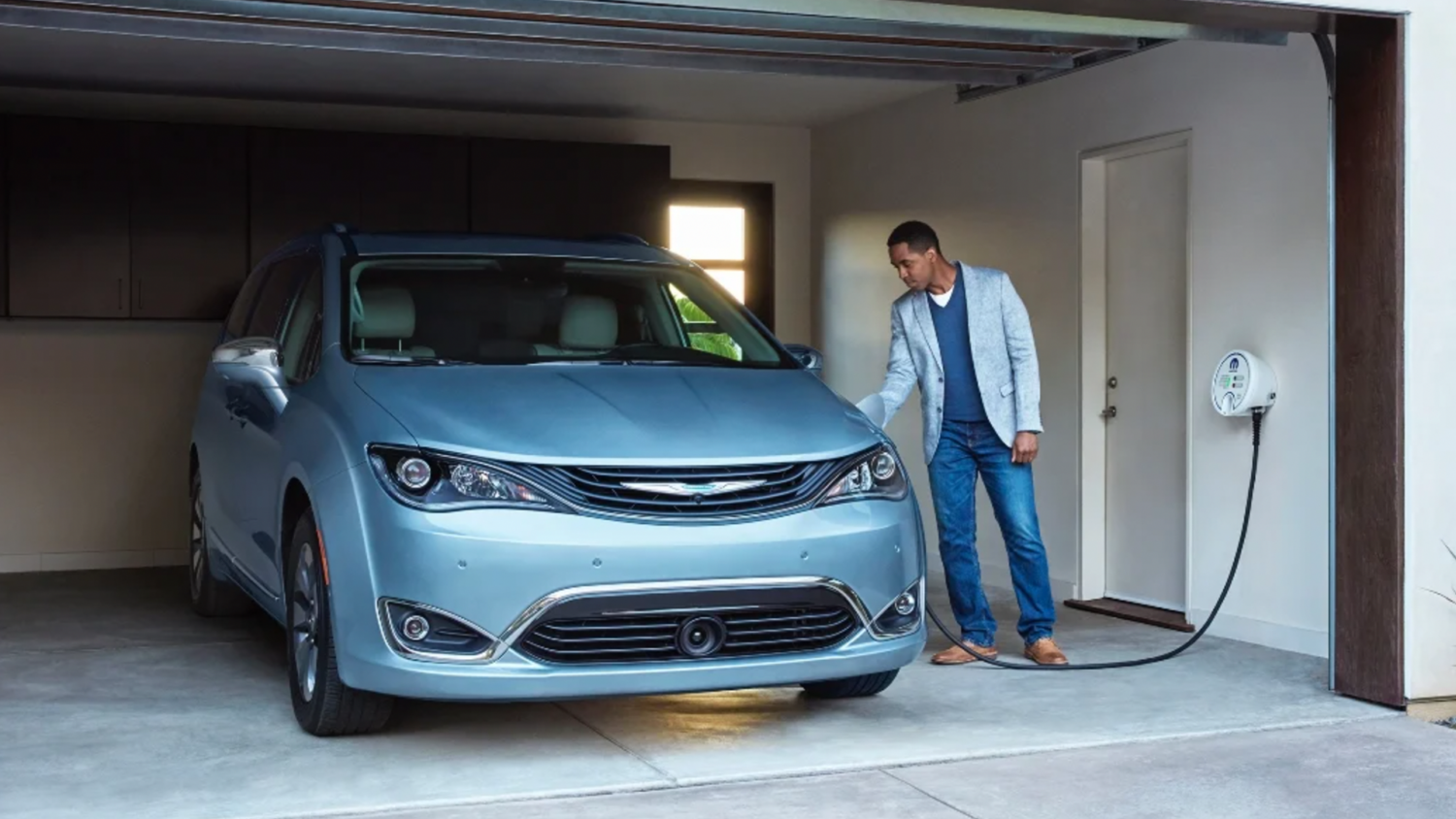
Many EV owners charge their vehicles at home overnight. The low demand during these hours means costs are usually lower. However, the study shows that as more drivers switch to EVs, that could change. The study found that peak net electricity demand could increase by up to 25% by 2035, the same year California said it would ban the sale of new gas-powered cars and trucks.

The group also conducted a “stress test,” which found that the demand could rise as much as 50% if every vehicle on the road is a plug-in model. 

Authors of the study suggest electric vehicle owners start to charge their vehicles during the daytime hours whenever possible, such as during the workday or at public charging stations. The study says that daytime charging will become even more important as wind and solar energy sources become more prominent.

“In the future grid with higher renewable generation, timing is more important and net demand tells a very different story than total demand,” the study reads. “Shifting drivers from home to daytime charging improves all metrics of grid impact including ramping, use of non-fossil fuel generation, storage requirements, and emissions. This insight is robust across varying levels of EV adoption.”


Did you enjoy this article? Please share your thoughts, comments, or questions regarding this topic by connecting with us at newsroom@cbtnews.com.

Be sure to follow us on Facebook, LinkedIn, and TikTok to stay up to date.

While you’re here, don’t forget to subscribe to our email newsletter for all the latest auto industry news from CBT News.
More from Articles
Used-vehicle wholesale prices edge higher in May, EVs lead the way

Used-vehicle wholesale prices edge higher in May, EVs lead the way

- June 5, 2026
On the Dash: Wholesale used-vehicle prices edged higher in May, rising 3.6% year over year. Used EV prices surged 11.9% annually, driven by sustained high gas prices. Compact cars posted...
China's auto treat: America draws the red line

China’s auto treat: America draws the red line

- June 5, 2026
If you think the debate over Chinese vehicles is about cheaper cars showing up at American dealerships, you’re missing the bigger story—and it’s one policymakers in Washington are no longer...
Trump weighs in on right-to-repair debate after meeting with automakers, dealers

Trump weighs in on right-to-repair debate after meeting with automakers, dealers

- June 5, 2026
On the Dash: The right-to-repair debate remains active in Washington and could affect dealership service operations. Dealers continue to oppose broader repair-data legislation, citing intellectual property and aftermarket concerns. Congress...
JPMorgan boosts Tesla price target to $475

JPMorgan boosts Tesla price target to $475, citing autonomous tech and software growth

- June 5, 2026
On the Dash: JPMorgan sees Tesla's future growth extending beyond vehicle sales and increasingly tied to software, AI and autonomous driving. The firm's $475 price target reflects growing Wall Street...