On the Dash:
-
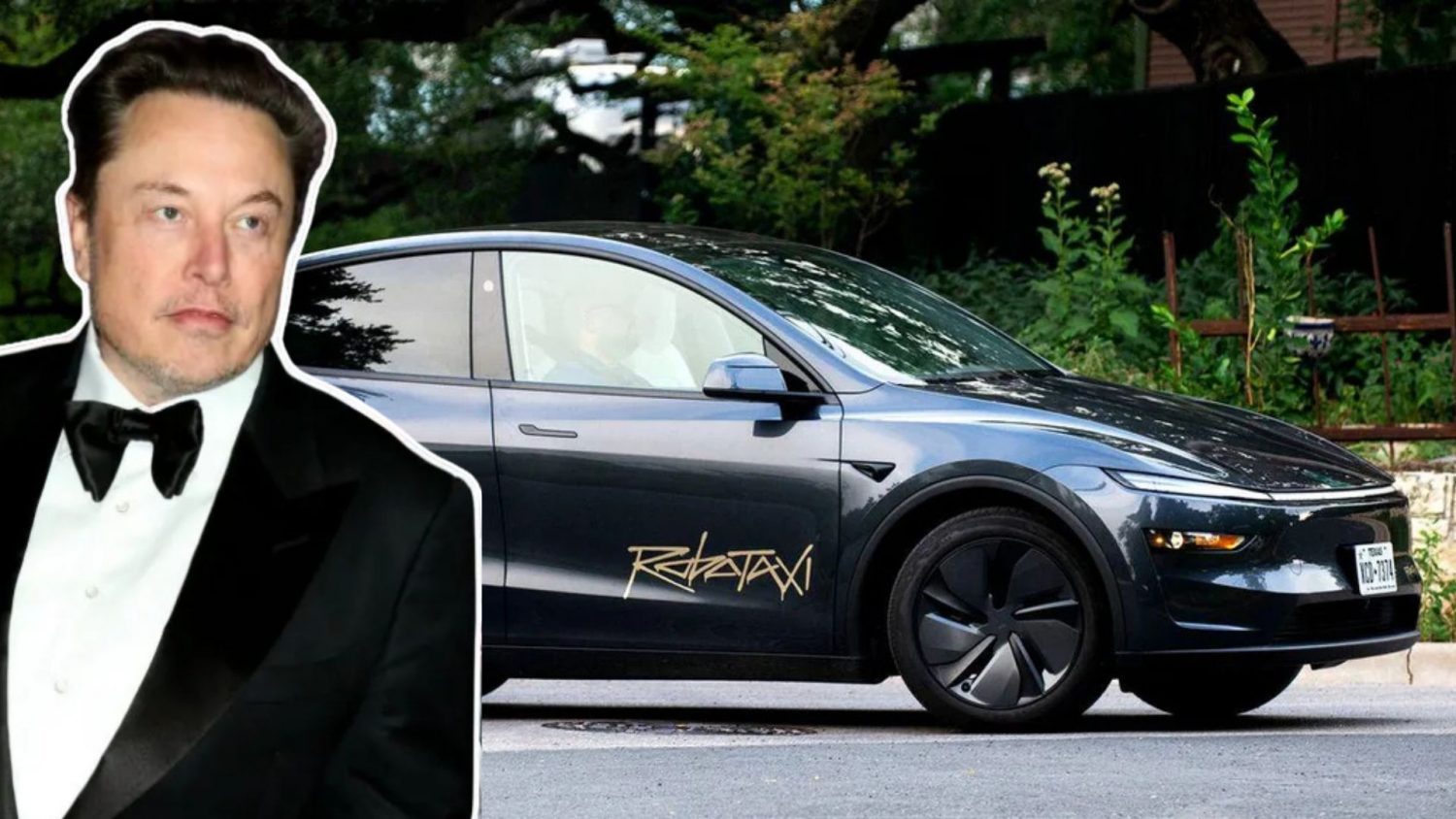
Elon Musk says Nvidia’s new autonomous driving models will not pose serious competition to Tesla’s FSD technology for at least five to six years.
-
The EV maker continues to pursue a vertically integrated autonomy strategy, while Nvidia positions itself as a technology platform supplier to other automakers.
-
Full vehicle autonomy remains years away, keeping near-term vehicle sales focused on driver-assistance systems rather than fully self-driving cars.
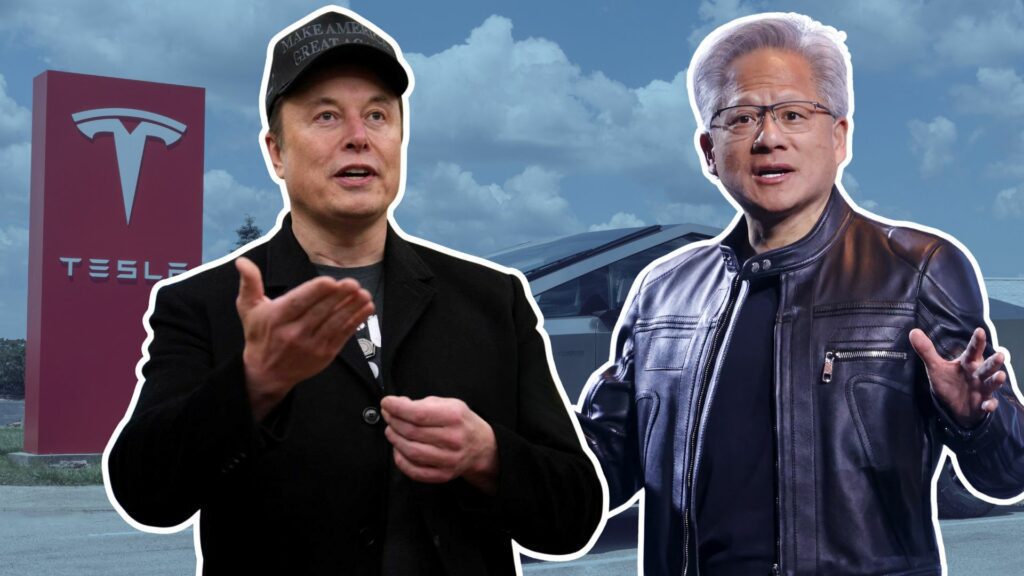
Tesla CEO Elon Musk said on Tuesday that Nvidia’s newly announced autonomous-driving AI models will not pose meaningful competition to Tesla’s Full Self-Driving technology for at least five to six years.
His comments follow Nvidia’s unveiling of Alphamayo, a new collection of open AI models for autonomous vehicle development, at the CES conference in Las Vegas.
“The legacy car companies won’t design the cameras and AI computers into their cars at scale until several years after that,” Musk wrote in response to an X user pointing out potential competition. “So this is maybe a competitive pressure on Tesla in 5 or 6 years, but probably longer.”
Alphamayo is a vision-language-action model that mimics “humanlike thinking” to help autonomous systems handle rare and complex driving scenarios. In a later post, Musk stated that achieving near-human driving performance is relatively easy; however, addressing edge cases that exceed that threshold will require many years. He said legacy automakers will take additional years to design and scale the necessary camera and AI hardware into production vehicles, further delaying competitive pressure.
While Tesla continues to develop a vertically integrated autonomous system, Nvidia is positioning itself as a technology platform provider. Its goal is to supply full AV stacks to automakers rather than manufacturing vehicles. Nvidia CEO Jensen Huang publicly praised Tesla’s FSD system as world-class and state-of-the-art, even as the company expands its role as a supplier to competing OEMs. Its positioning could accelerate the adoption of autonomy among traditional automakers. However, widespread deployment remains years away.