TSLA360.590-20.67001%
GM72.540-2.5%
F11.590-0.09%
RIVN15.4000.46%
CYD39.410-0.08%
HMC24.150-0.16%
TM207.010-2.66%
CVNA313.5481.45799%
PAG149.3400.18%
LAD251.8201%
AN197.680-0.29%
GPI329.450-1.34%
ABG194.7600.73%
SAH64.870-0.38%
TSLA360.590-20.67001%
GM72.540-2.5%
F11.590-0.09%
RIVN15.4000.46%
CYD39.410-0.08%
HMC24.150-0.16%
TM207.010-2.66%
CVNA313.5481.45799%
PAG149.3400.18%
LAD251.8201%
AN197.680-0.29%
GPI329.450-1.34%
ABG194.7600.73%
SAH64.870-0.38%
TSLA360.590-20.67001%
GM72.540-2.5%
F11.590-0.09%
RIVN15.4000.46%
CYD39.410-0.08%
HMC24.150-0.16%
TM207.010-2.66%
CVNA313.5481.45799%
PAG149.3400.18%
LAD251.8201%
AN197.680-0.29%
GPI329.450-1.34%
ABG194.7600.73%
SAH64.870-0.38%

Stellantis and Zeta Energy team up to revolutionize EV batteries

This partnership combines Zeta Energy’s lithium-sulfur technology with Stellantis’ manufacturing expertise to reshape EVs and drive sustainable innovation.
Stellantis and Zeta Energy team up to develop Lithium-Sulfur EV batteries

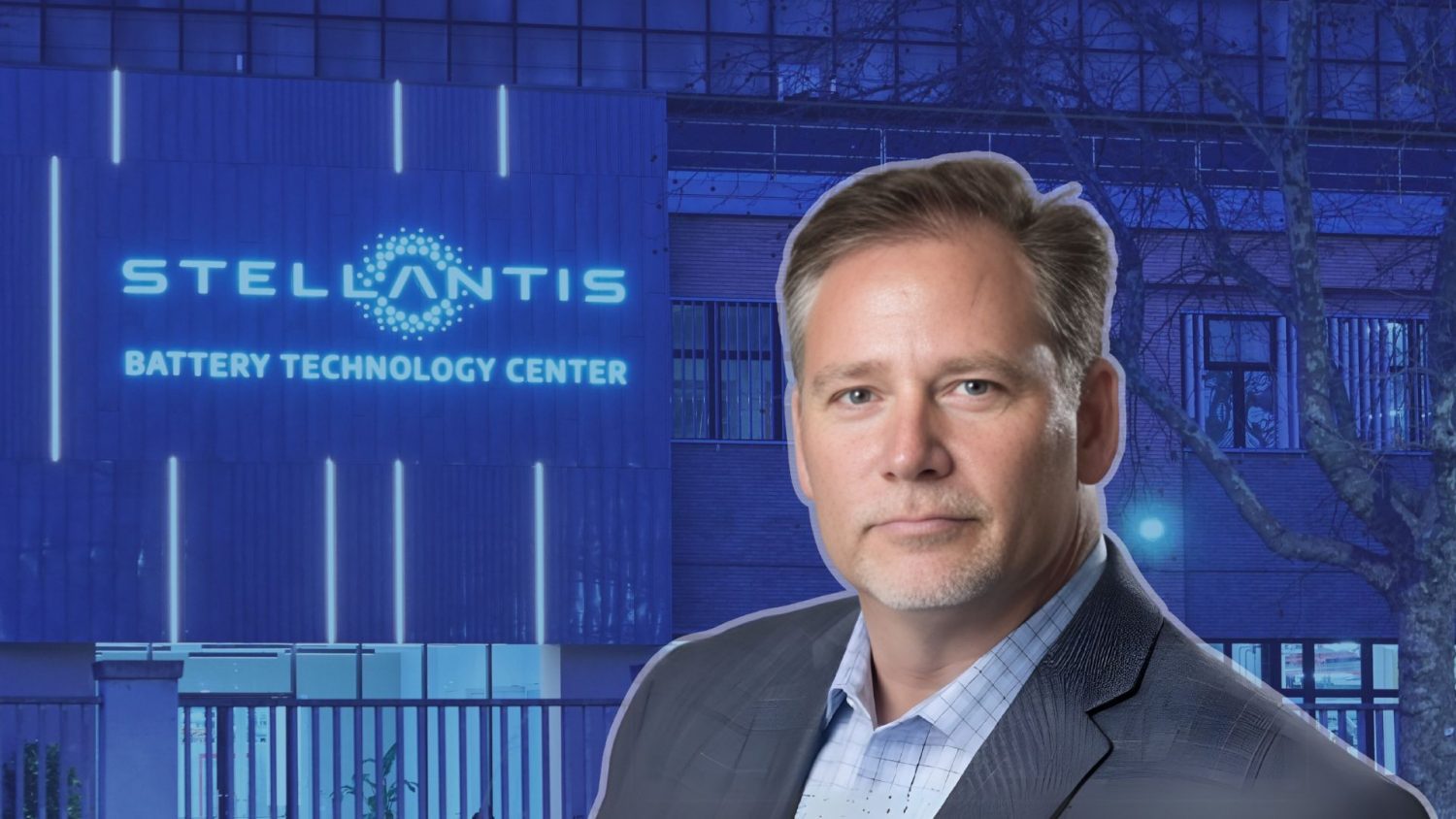
Zeta Energy CEO Tom Pilette

Stellantis and Zeta Energy have announced a groundbreaking partnership to develop next-generation lithium-sulfur electric vehicle (EV) batteries. This collaboration aims to produce battery technology that is significantly lighter in weight without sacrificing power, range, or performance, offering game-changing benefits for the EV market.

One of the standout features of this new technology is its potential to increase fast charging speeds by up to 50%, making EV ownership even more convenient and practical for drivers.

Lithium-sulfur technology boasts a plethora of advantages over current lithium-ion batteries. Beyond being more powerful, it is also far more cost-effective, as sulfur is an abundant and widely available material. By moving away from costly and resource-intensive materials such as cobalt, nickel, manganese, and graphite, production costs can be significantly reduced.

The environmental benefits of this battery technology are equally impressive. The batteries utilize waste materials, including methane and unrefined sulfur from industrial byproducts, making them a more sustainable option. Additionally, their production generates significantly less CO2 emissions compared to traditional lithium-ion batteries. The shorter domestic supply chain envisioned for these batteries will further enhance sustainability, particularly in European and North American markets.

This partnership is a key component of Stellantis’ Dare Forward 2030 strategy, which includes the ambitious goal of offering over 75 electric vehicle models. It also aligns with the company’s broader mission to achieve carbon neutrality by 2038 while creating clean, safe, and affordable vehicles for all consumers.

The collaboration includes pre-production development and extensive planning, with the goal of beginning production by 2030. Stellantis plans to integrate these batteries into its vehicles starting that year, leveraging their compatibility with existing gigafactory infrastructure.

By combining Zeta Energy’s innovative lithium-sulfur technology with Stellantis’ global expertise in manufacturing and distribution, this partnership marks a significant step toward reshaping EV battery technology and driving sustainable innovation.

Read More
More from Articles
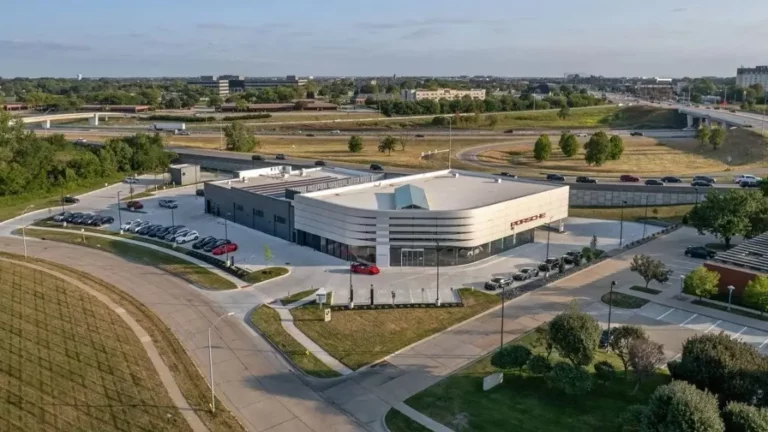
Ed Morse Automotive Group acquires Porsche Des Moines in Iowa

Ed Morse Automotive Group acquires Porsche Des Moines in Iowa

- April 3, 2026
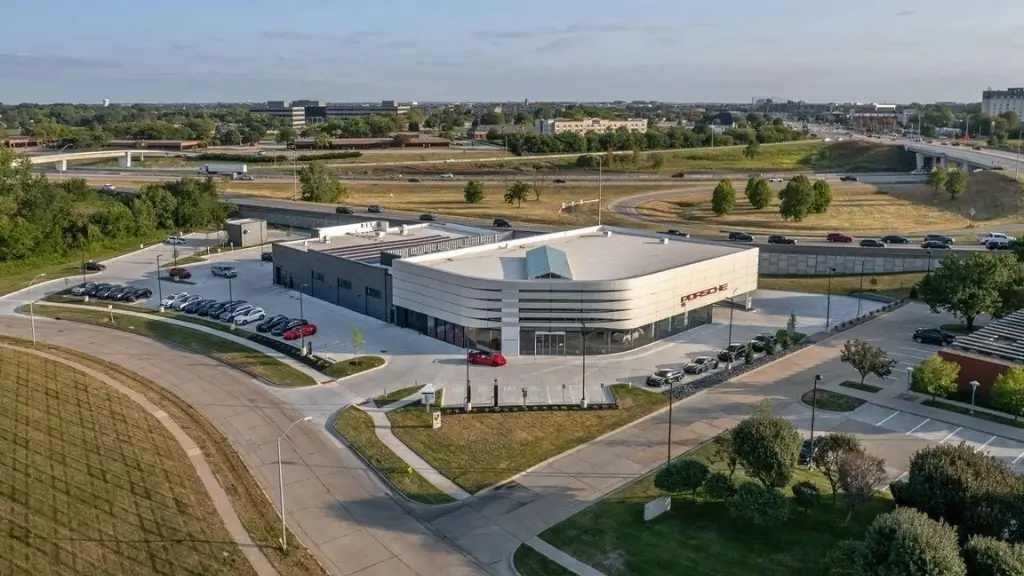
Ed Morse Automotive Group acquired Porsche Des Moines in Iowa from Jason Pittack of the Woodhouse Auto Family in a transaction that closed April 1, 2026. The dealership will continue...
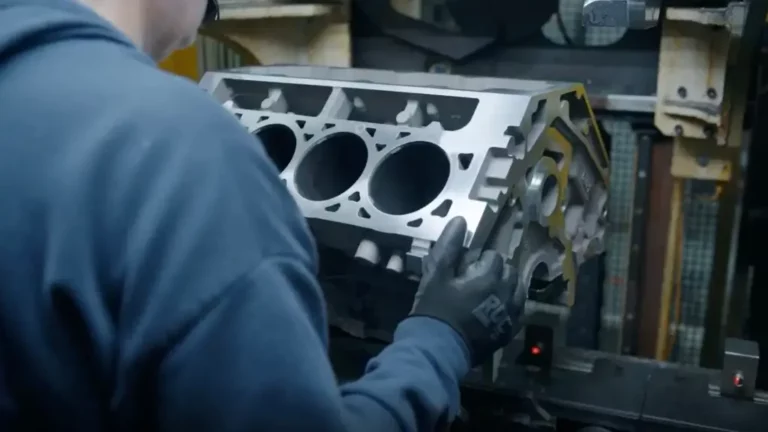
GM to invest more than $150 million in Saginaw Metal Casting Plant

GM to invest more than $150 million in Saginaw Metal Casting Plant

- April 3, 2026
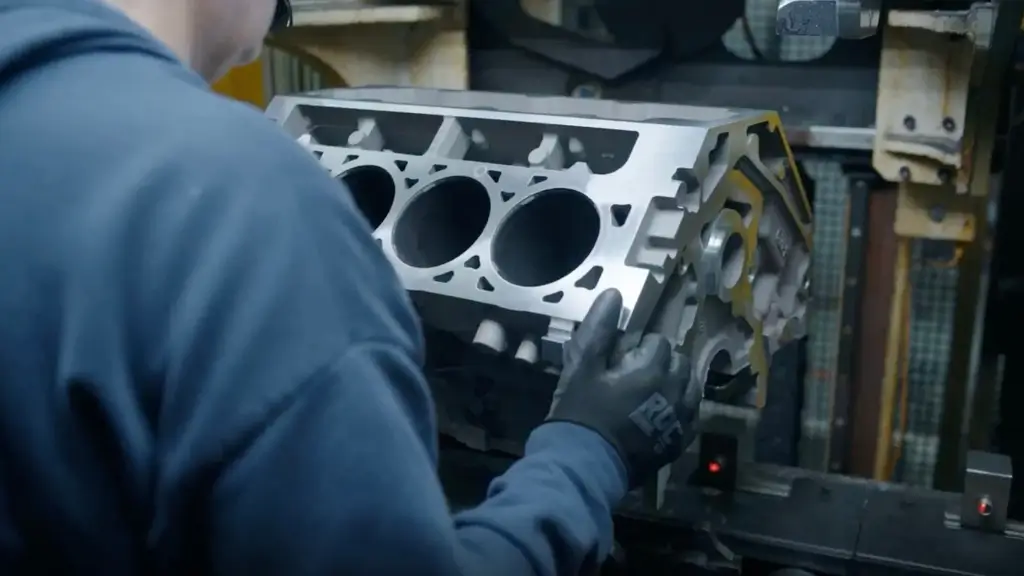
General Motors announced plans to invest more than $150 million in its Saginaw Metal Casting Operations to support the production of the sixth generation of GM’s V-8 engine blocks and...
White House revises metals tariffs, shifts calculation method

White House revises metals tariffs, shifts calculation method

- April 3, 2026
On the Dash: The revised tariff structure simplifies how metals duties are calculated by applying them to consumer purchase prices and eliminating complex component-level assessments. The changes are expected to...
Stellantis explores EV production in Canada with China’s Leapmotor

Stellantis explores EV production in Canada with China’s Leapmotor

- April 3, 2026
On the Dash: Stellantis’ early-stage talks with Leapmotor highlight how global partnerships are accelerating as automakers adapt to shifting tariffs and EV demand. Uncertainty around U.S. trade policy and potential...
CBT News
Privacy Overview

This website uses cookies so that we can provide you with the best user experience possible. Cookie information is stored in your browser and performs functions such as recognising you when you return to our website and helping our team to understand which sections of the website you find most interesting and useful.