

On the Dash:
- Hyundai’s $11.6 billion U.S. investment plan drew concern from Seoul due to ongoing U.S.-South Korea tariff talks.
- The timing of the investment follows a Georgia factory raid and could weaken South Korea’s negotiating position.
- Hyundai plans to produce over 80% of U.S. vehicles domestically by 2030, aligning its strategy with tariff policies.
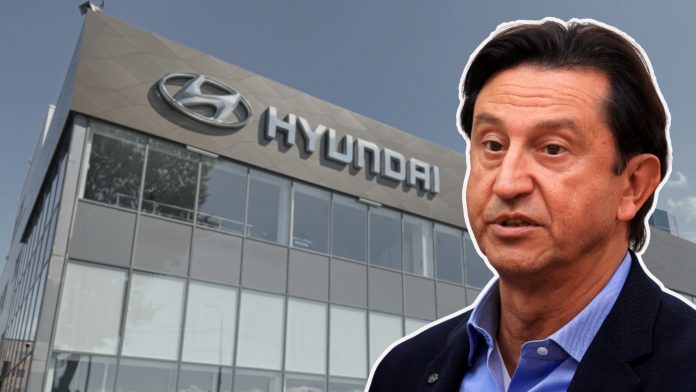
South Korea’s government raised concerns over Hyundai Motor‘s announcement of expanded U.S. investments as the country navigates critical trade negotiations with the United States. The South Korean Industry Minister confirmed the government had formally flagged Hyundai’s plan to increase its U.S. investment to $11.6 billion, citing potential interference with ongoing tariff discussions.
The announcement comes two weeks after U.S. immigration authorities raided Hyundai’s new electric car battery factory in Georgia, detaining hundreds of workers. The raid heightened tensions between Seoul and Washington, with Hyundai’s investment timing criticized for potentially weakening South Korea’s leverage in talks aimed at reducing tariffs on vehicles, a key South Korean export.
Hyundai previously pledged a $21 billion investment in the U.S. in March, followed by a $26 billion increase in August after a summit between President Donald Trump and South Korean President Lee Jae Myung. The automaker also plans to produce over 80% of the vehicles it sells in the U.S. domestically by 2030 to address tariffs and expand capacity at its Georgia plant.
Independent South Korean lawmakers and officials expressed frustration over Hyundai’s actions, describing them as an attempt to gain favor with the Trump administration at a sensitive moment in trade negotiations. The government emphasized that the automaker now understands public sentiment regarding its timing and strategy.
The situation underscores the complex balance between corporate investment decisions and international trade diplomacy. Hyundai, a major player in South Korea’s automotive sector, has significant influence on bilateral trade outcomes with the U.S., making its investment strategy a focal point for both economic and political scrutiny.