On the Dash:
- Euro NCAP leaders say political oversight in the U.S. is delaying safety innovation and regulatory updates.
- U.S. vehicle safety performance, particularly in pedestrian protection, is trailing European benchmarks.
- Structural differences between independent testing bodies and government regulators are shaping diverging safety outcomes.
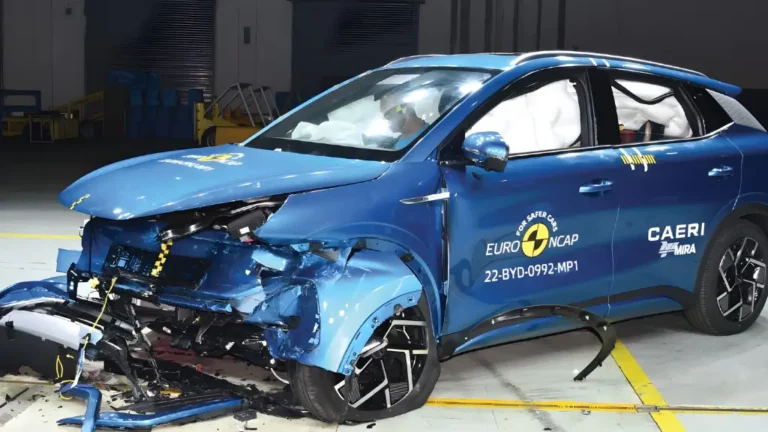
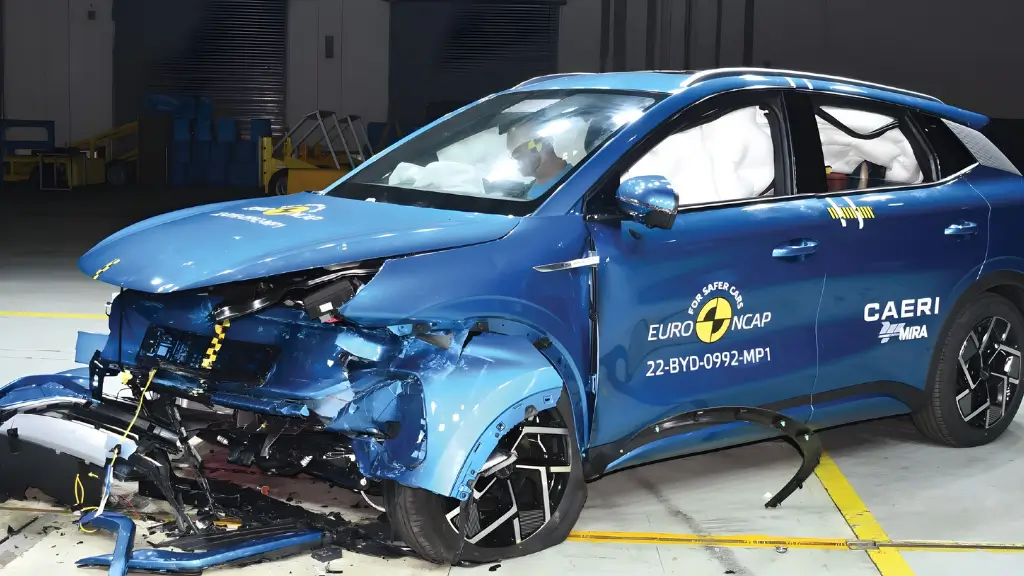
European safety officials say political dynamics in the United States are slowing the pace of vehicle safety advancements, raising concerns about the country’s ability to keep up with global standards.
According to Euro NCAP leaders, the regulatory structure governing the National Highway Traffic Safety Administration (NHTSA) requires key decisions to pass through Congress, creating delays and limiting the agency’s flexibility to update safety protocols.
Euro NCAP Secretary General Michiel van Ratingen said the U.S. system is constrained by political divisions, which can hinder the timely implementation of new safety measures. While the U.S. pioneered the New Car Assessment Program in 1979, Europe has since expanded and accelerated its approach through an independent framework that allows for faster adaptation.
As a result, Euro NCAP officials argue that U.S. standards, particularly in passive safety and pedestrian protection, lag behind European benchmarks. Matthew Avery, Euro NCAP’s director of strategic development, said U.S. performance in these areas is “well below” European levels.
The divergence highlights broader structural differences. Euro NCAP operates independently, enabling it to introduce new testing protocols and rating criteria without legislative approval, while NHTSA functions as a federal regulator subject to political processes.
Despite these challenges, NHTSA has taken steps to modernize its safety ratings program, including updates that incorporate advanced driver-assistance technologies and pedestrian protection measures. However, critics say progress remains slower compared to Europe’s more agile system.
Euro NCAP officials maintain that continued innovation and faster implementation of safety standards are critical to reducing road fatalities and improving vehicle performance worldwide.