Every year, vehicles become smarter, more connected, and more convenient—but that convenience comes with a hidden cost. Hackers are no longer just targeting computers and phones. Modern cars are now high-tech gateways to your personal data, your finances, and, in some cases, even physical control of your vehicle. This threat is real, and drivers across the country are only beginning to understand the risks.
Today’s cars rely on complex software and constant connectivity. Features like remote start, navigation, hands-free driving, and vehicle tracking make life easier—but they also open doors for cybercriminals. A single weak link—a compromised app, an outdated system, or a hacked key fob—can give criminals access to sensitive information, or, in extreme cases, the ability to manipulate your car itself.
This is not science fiction. In 2015, researchers showed that hackers could remotely disable a Jeep on the highway. That incident triggered a nationwide recall and forced the auto industry to take cyber threats seriously. Since then, attacks have become more sophisticated, targeting both personal information and vehicle control systems. Understanding these risks—and taking action to protect yourself—is no longer optional.
At the heart of every modern vehicle is the electronic control unit, or ECU. Most cars have multiple ECUs that manage everything from braking and steering to door locks and infotainment. If a hacker gains access, the consequences can range from stolen data to direct manipulation of the vehicle itself. While dramatic remote-control scenarios make headlines, the most common threats today involve identity theft, financial fraud, and unauthorized tracking of your movements.
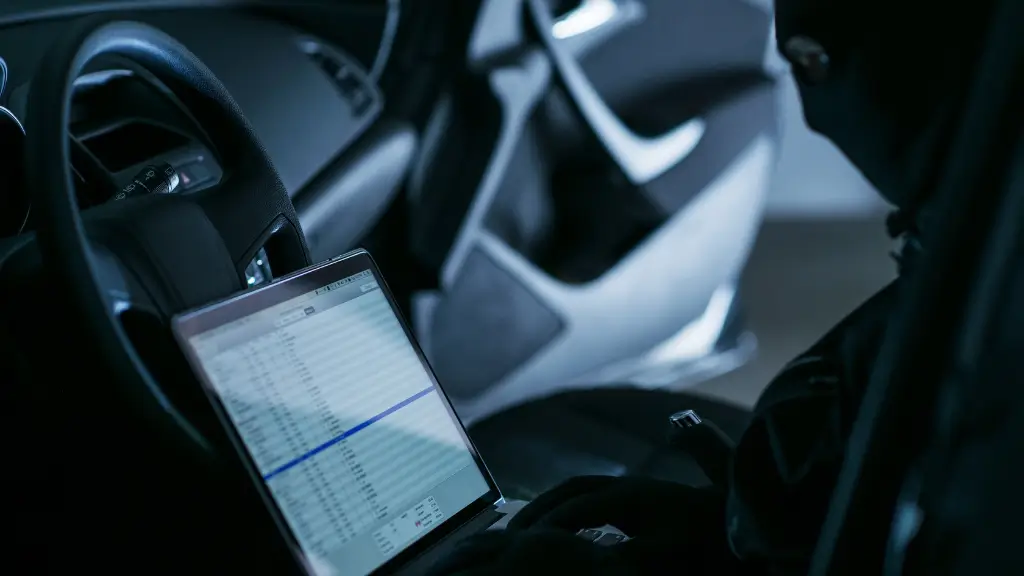
Hackers have several ways to gain access to your vehicle. Physical access is one method, such as plugging an infected USB device into the car’s data port. Key fobs, particularly older models, can be cloned or exploited with devices that capture and replay their signals, allowing thieves to unlock and start a vehicle without the original key.
Smartphone apps add another risk, because a compromised phone can become a bridge to your car—and everything stored on your device. Telematics systems, which collect and transmit data about vehicle location and usage, are also vulnerable to cyberattacks.
Law enforcement is also seeing a rise in thefts using CAN bus injection attacks, particularly targeting Toyota SUVs like the Land Cruiser and 4Runner. Criminals access wiring through the headlights or taillights and connect a disguised electronic device. This tricks the car into thinking a valid key fob is present, disables the engine immobilizer, and unlocks the doors in minutes. These attacks bypass traditional security measures, showing that even “smart” key systems can be exploited.
Automakers are aware of these risks and are continuously improving cybersecurity through encrypted communications, intrusion detection, and software updates. (pause) But drivers also have an important role to play. Use only manufacturer-approved apps, keep your vehicle’s software up to date, and regularly review which devices and accounts can access your car. Remove old devices and unnecessary permissions as soon as possible.
Additional protections include using a virtual private network, or VPN, on devices that connect to your vehicle. A VPN on your phone helps mask data traffic and reduces exposure if a device or car is compromised. Physical deterrents still matter too. Police recommend visible tools like a steering wheel lock, which can prevent theft even in the event of sophisticated electronic attacks. Toyota, for example, offers a bright red lock with four-point steel contact that can be seen from the window—a clear signal to criminals that the vehicle is not an easy target.
Thieves can use signal relay devices (emulators) to obtain your vehicle’s key fob signal and trick your car into thinking the key is nearby, allowing them to unlock and start it without the fob itself.
Blocking the signal stops this relay. Consider utilizing one or more of the following tips to protect yourself:
- Faraday Bags/Pouches/Boxes – These signal-blocking bags or containers prevent thieves from relaying your key’s signal.
- Aluminum Foil – A quick, inexpensive method is to wrap your fob in several layers of foil to block signals.
- Metal Container – Store your fob in a metal tin or box (like an old biscuit tin) at home.
- Turn Off Fob Signal – Check your car’s manual for how to disable the keyless entry signal when not needed.
- Manual Locking – Manually lock your car with the physical key to potentially disable the fob’s signal.
- Don’t connect anything to your OBD port, even insurance company dongles; these are open links for hackers.
The era of connected cars brings incredible convenience—but it also brings real responsibility. A hacked vehicle is not just a transportation problem—it’s a digital, financial, and safety concern. Staying informed, practicing good cybersecurity habits, and taking basic protective steps can dramatically reduce your risk. Cars may be smarter than ever, but keeping them secure still depends on the driver.
Check out my full commentary on this story: https://youtu.be/HQJVAfCX9lI
Looking for more automotive news? https://www.CarCoachReports.com
Listen to The Drive Car Show – https://www.youtube.com/@thedrivecarshow