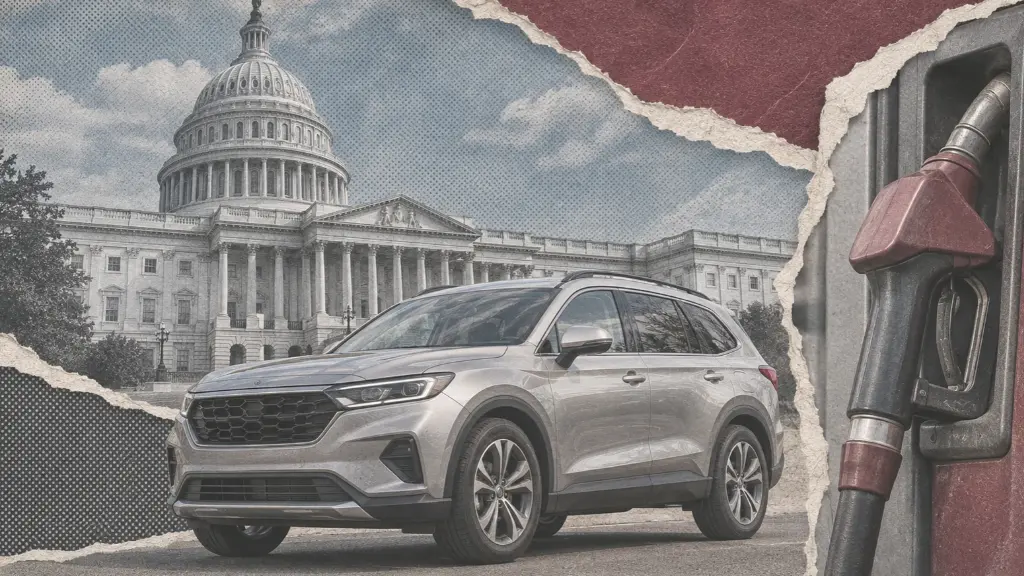
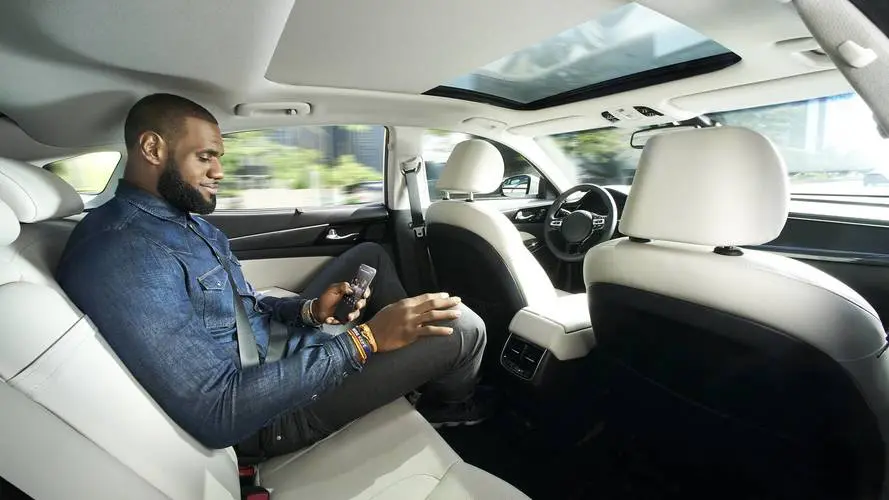
Fully autonomous vehicles are likely hitting a dealership showroom near you long before you thought possible. The reason why this is likely occurring sooner rather than later is because of buy-in from a significant group. On September 6, 2017, the House came together in a bi-partisan effort to pass the Safely Ensuring Lives Future Deployment and Research in Vehicle Evolution Act (SELF DRIVE Act). The act is primarily giving auto manufacturers the leeway to test technologies that can contribute to the further development of self-driving cars, and collect the data to move forward on findings. The fact that the House quickly drafted a bill to allow auto companies to work through experimentation without interruption reveals a hefty amount of buy-in, and an understanding of the potential positive impact on commerce.
However, even with this development, are we really that close to full autonomy? Tesla brought the conversation about level five autonomy in vehicles into the public discourse, while Google has also combined technology with automotive hardware in the form of Waymo. Volvo, General Motors, Ford, and Toyota are all currently testing this technology in future vehicles. As a result, some estimates have self-driving cars largely entering mass markets in 2020 because of rapid advancements by automakers and favorable legislation. Therefore, while the intent is to increase safety and convenience, what are some of the potential unintended ramifications of self-driving vehicles?
Building an Airplane as It Flies
Ed Walters, adjunct professor of robotics law at Georgetown University, discussed the unprecedented nature of technology informing policy. The SELF Drive Act is slated to prevent states from creating laws that prevent the development or performance of autonomous vehicles. While they can still regulate insurances, inspections, and registration; the only entity that is allowed to monitor performance standards is the National Highway Traffic Safety Administration (NHTSA). According to Walters, this means the NHTSA has to develop standards as autonomous vehicles are produced. Inadvertently, this puts manufacturers in the driver’s seat concerning how and why safety standards are developed. This can prove problematic if those in government are not proficient in understanding the risks and potential problems with new self-driving technologies.
Auto’s Introduction to the Internet of Things
Autonomous technology is bringing cars into the Internet of Things (IoT) in a big way. This term has been used to describe a network of devices, vehicles, and appliances that are outfitted with sensors to allow these objects to connect and communicate with one another. For autonomous cars to work, they would have to tap into the IoT. Many have wondered if it is possible for cars that have advanced network connectivity to be hacked. This question was shockingly answered in 2015 when two security researchers stopped a Jeep in the middle of a highway as a test. The hackers were able to stop the accelerator, control the radio, and tamper with the air conditioning. The individuals are now working for Uber to create ways to prevent would-be hackers from doing the same thing to the company’s self-driving vehicles. Manufacturers will now have to enlist the help of cybersecurity professionals to ensure a self-driving car cannot be interfered with by hackers with malicious intentions.
The Impact on Employment
In October of this year, Embark, a commercial transport startup quietly changed the game when it comes to autonomous delivery services. They built semi-autonomous trucks that rode from El Paso, Texas to a distribution center in Palm Springs, California to deliver refrigerators. There was a person in the cockpit monitoring the computer to make sure the truck stayed on course, but the end goal is for this person to no longer be needed. It is said that the trucking industry is in desperate need of drivers, so this advancement would undoubtedly help increase commercial transport. However, what happens to those who are already in the trucking and delivery profession? Will this development eventually erase the need for human drivers? While this could still be far off, it is worth it for manufacturers and economist to understand the total disruption this would have in an industry that still employs a lot of people.
An Unintended Future
Who would have thought we would be here so soon? We are discussing the possibility of humans no longer needing to drive their cars. As stated above this has a considerable impact on the relationship between government and technology regulations for years to come, and additional safety issues like hacking need to be addressed. However, one thing that many people are still wrestling with is how a computer can become more intelligent than humans and predict ways to prevent human error. To prevent upwards of 35,000 deaths a year, programmers have to mentally become the driver and prepare cars to override potentially harmful choices that humans can make. Is this effective? Can machines understand all of the human factors that go into driving? Should they be allowed to at all? In the next few years, we will witness early results of this enormous experiment.