On the Dash:
- General Motors is considering external executives and internal candidates to succeed CEO Mary Barra, WSJ reports.
- Internal contenders reportedly include Paul Jacobson, Sterling Anderson and Mark Reuss.
- Barra has led GM since 2014, and GM hasn’t said when she could step away.
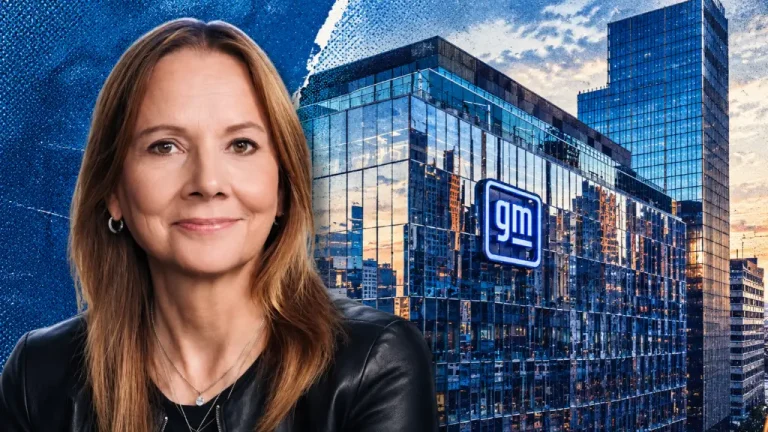
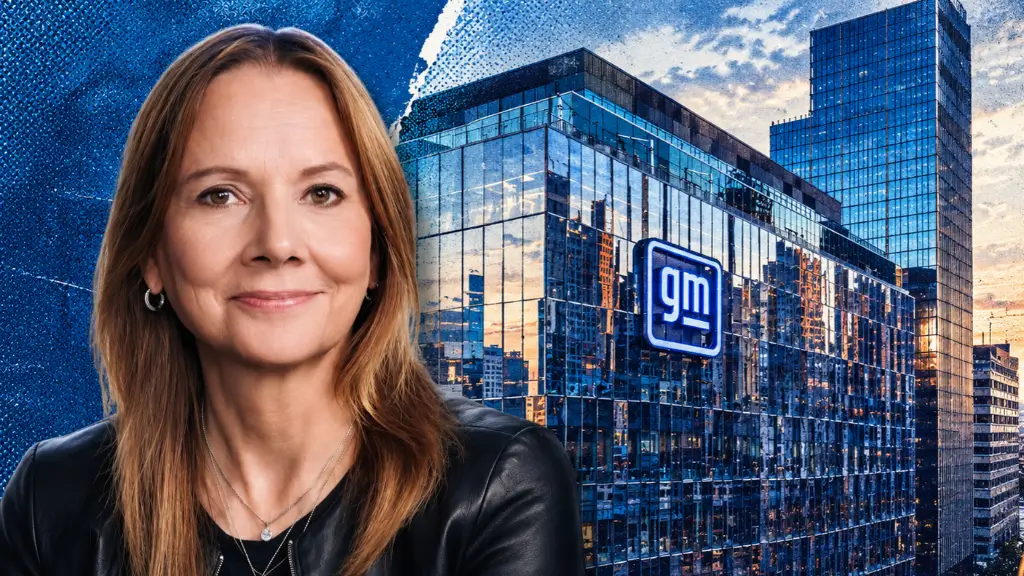
General Motors (GM) is working with an executive search firm to identify possible outside candidates to succeed CEO Mary Barra, according to an exclusive report from The Wall Street Journal. The automaker is also looking at a group of internal candidates, the Journal reported, citing people familiar with the matter. GM declined to comment and hasn’t said publicly when Barra could step away.
According to the Journal, Barra has spent months laying the groundwork to hand over the company she has led since 2014. She is GM’s second-longest-tenured CEO and the first woman to run a global automaker, and her tenure is about twice that of the average modern CEO of an S&P 500 company.
The automaker has historically groomed its chief executives from within its own ranks, and the Journal reported that internal candidates remain in the mix. Separate people familiar with the matter told the paper that the contenders have included Chief Financial Officer Paul Jacobson, Chief Product Officer Sterling Anderson and Mark Reuss. While Reuss is a 40-year GM veteran and Barra’s number two, Anderson, a Silicon Valley hire, emerged as a potential successor to Barra in December 2025, when the company said any succession speculation was premature. Barra tapped him to revive GM’s autonomous driving efforts after the company shut down its robotaxi business.
The automaker is now focused on personally owned vehicles, and GM has said eyes-off driving is on track for 2028. The Journal described the goal of hands-off, eyes-off highway driving as one of the industry’s more ambitious self-driving pushes.
Barra’s tenure produced a smaller but more profitable GM
Barra took over as the automaker was still rebuilding after its 2009 bankruptcy, with a mandate to change the automaker’s entrenched corporate culture. The Journal reported that she has led the company through trade wars, the global pandemic and difficult efforts in electric and autonomous vehicles. The company’s stock is up 25% from a year ago and about 136% since Barra became CEO, according to the Journal. The company has also returned tens of billions of dollars to investors through large stock buybacks, including a new multiyear $20 billion repurchase program its board authorized in October.
Today’s GM is smaller but more profitable, anchored by its lucrative U.S. truck business, the Journal reported. It sells millions fewer vehicles worldwide than it did a decade ago after exiting unprofitable foreign markets and cutting low-margin sedans, yet it is generating record levels of cash and bigger profits.
Tech pivot brought bets that paid off and some that didn’t
Over the past decade, GM has tried to move away from its roots as a traditional car manufacturer and become a software-driven tech company. The Journal reported that the push has included a string of Silicon Valley hires, an expanding California hub and large bets on autonomous driving and digital services.
However, not all of those bets paid off. The Journal reported that GM lost billions before discontinuing its Cruise robotaxi division, a decision GM announced in December 2024, and that several high-profile tech hires had short tenures. GM has also pulled back on its most ambitious EV plans, including a roughly $6 billion EV writedown announced in January and an indefinite delay in refreshing its full-size electric trucks and SUVs.