
TSLA367.810-0.35%
GM83.760-2.03%
F13.470-0.53%
RIVN16.005-0.165%
CYD37.230-0.49%
HMC31.3000.24%
TM190.970-0.48%
CVNA73.430-1.29%
PAG218.3101.45%
LAD367.720-0.98%
AN209.180-0.12%
GPI287.7206.12%
ABG212.380-0.53%
SAH76.2500.25%
TSLA367.810-0.35%
GM83.760-2.03%
F13.470-0.53%
RIVN16.005-0.165%
CYD37.230-0.49%
HMC31.3000.24%
TM190.970-0.48%
CVNA73.430-1.29%
PAG218.3101.45%
LAD367.720-0.98%
AN209.180-0.12%
GPI287.7206.12%
ABG212.380-0.53%
SAH76.2500.25%
TSLA367.810-0.35%
GM83.760-2.03%
F13.470-0.53%
RIVN16.005-0.165%
CYD37.230-0.49%
HMC31.3000.24%
TM190.970-0.48%
CVNA73.430-1.29%
PAG218.3101.45%
LAD367.720-0.98%
AN209.180-0.12%
GPI287.7206.12%
ABG212.380-0.53%
SAH76.2500.25%

GM may abandon LFP battery plans, report says

The automaker is prioritizing lithium-manganese-rich batteries over lithium-iron phosphate chemistry, potentially diverging from rivals pursuing lower-cost EV battery solutions.

GM may abandon LFP battery plans as it bets on next-gen EV technology, report says

On the Dash:

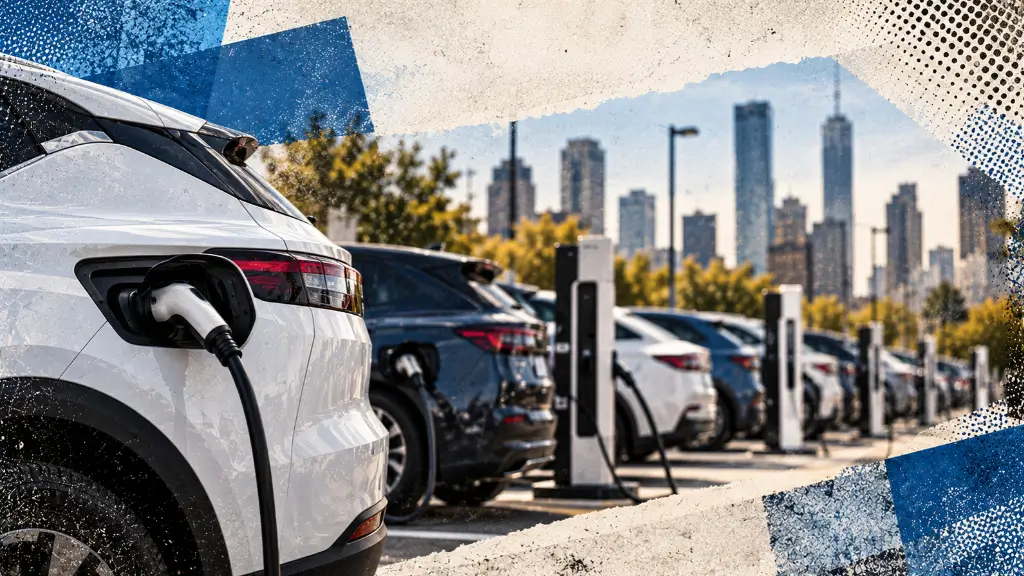
  • GM is increasing its investment in lithium-manganese-rich (LMR) batteries, which it says can match LFP costs while delivering greater energy density.
  • A shift away from LFP would separate GM from competitors such as Tesla, Ford and Rivian that use the chemistry to lower EV costs.
  • The decision could influence future EV pricing, range and production strategies across GM’s portfolio.

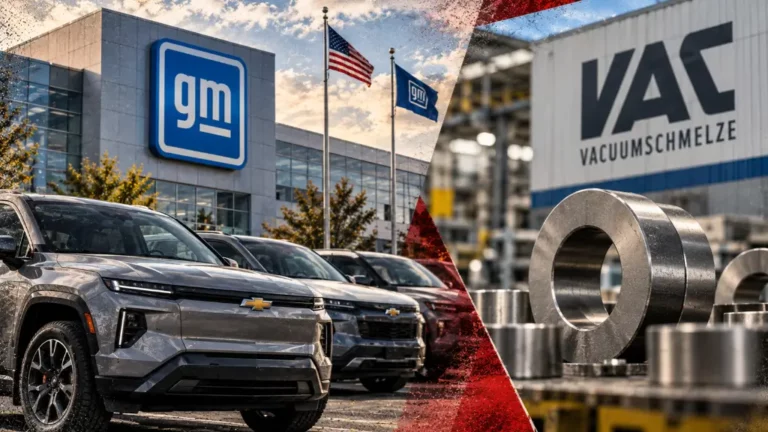
General Motors is reevaluating its plans to use lithium-iron phosphate (LFP) batteries in future electric vehicles (EVs) as it focuses on developing its lithium-manganese-rich (LMR) battery technology, according to a Reuters report.

Kurt Kelty, VP of Battery & Sustainability at GM, signaled that the company might ultimately exclude LFP from its EV lineup, despite previous plans to produce the batteries for vehicles later this decade.

Sign up for CBT News’ daily newsletter and get the latest industry stories delivered straight to your inbox.

Kelty described LMR batteries as the future “workhorse” of GM’s EV strategy, noting that manufacturers can produce them in the U.S. at costs comparable to LFP while storing greater energy within the same size and weight. After investing in the technology for over a decade, GM’s co-owned Tennessee battery plant will begin producing LFP cells this month, though the company will use those cells for energy storage applications rather than EVs. Kelty suggested LFP may never enter GM’s EV battery portfolio.

While Tesla, Ford and Rivian have turned to LFP to reduce vehicle costs and improve EV accessibility, GM believes LMR technology can reduce reliance on critical minerals while delivering superior performance. Industry analysts warn of technical challenges, including battery degradation over time, while S&P Global has indicated that widespread LFP adoption is unlikely in the near term.

GM currently offers more than a dozen EV models in the U.S., primarily powered by nickel-rich batteries. The newly launched Chevrolet Bolt reportedly uses LFP cells from the Chinese manufacturer CATL. Ultimately, GM aims to start commercial LMR production by 2028, and development is reportedly on schedule.

More from EVs & Technology
Vince Melkumyan

Auto AI Radar’s Vince Melkumyan on the compliance blind spots dealers can’t ignore

- September 9, 2026
The FTC’s CARS Rule may be gone, but dealership compliance risk remains firmly in view. During today’s CBT Live segment, we were joined by Auto AI Radar Founder Vince Melkumyan,...
Why your dealership might be bleeding IT dollars and facing major cyber risks 

Why your dealership might be bleeding IT dollars and facing major cyber risks 

- September 9, 2026
Although most dealers believe their stores are secure, true insights only come when a thorough IT audit is conducted. Today, we explore what a real-world dealership audit can uncover and...
The next buyer may arrive through AI. Can your website complete the sale?

The next buyer may arrive through AI. Can your website complete the sale?

- September 8, 2026
In my CBT News interview with Jim Fitzpatrick, I wanted to move the AI conversation beyond buzzwords. Dealers are hearing a lot about AI right now, but the real issue...
Connected-car data raises new privacy concerns for dealers and consumers

Connected-car data raises new privacy concerns for dealers and consumers

- September 4, 2026
As vehicles become more connected, consumers gain new features that can make driving more exciting, but they also share more personal information with automakers. During today’s CBT Live segment, Lauren...
CBT News
Privacy Overview

This website uses cookies so that we can provide you with the best user experience possible. Cookie information is stored in your browser and performs functions such as recognising you when you return to our website and helping our team to understand which sections of the website you find most interesting and useful.