Americans are hearing a lot of noise right now about the federal gas tax. Some people believe President Trump already removed it. Others think an executive order is coming any day now that will suddenly slash prices at the pump. Social media is filled with posts claiming relief is already on the way.
That’s not how this works.
The federal gas tax cannot simply disappear with the stroke of a pen. It would require an Act of Congress to suspend or repeal the federal gasoline tax of 18.4 cents per gallon and the diesel tax of 24.4 cents per gallon. Until Congress acts, drivers are still paying those taxes every time they fuel up.
That confusion matters because it shows how disconnected the public has become from understanding why fuel prices remain so high in the first place.
And the truth is much simpler than the political spin.
Gas prices are not just about oil companies, presidents, or global markets. A huge part of what Americans pay at the pump comes from layers of taxes, fees, environmental programs, fuel mandates, and state-level policies that continue adding costs long before fuel ever reaches your vehicle.
The federal gas tax debate is finally exposing that reality.
Senator Josh Hawley announced plans to introduce legislation suspending the federal gas tax. Senator Mike Lee argued the tax itself has outlived its original purpose since the interstate highway system it helped fund is largely complete.
That immediately triggered headlines suggesting gas prices could soon drop nationwide.
But even if Congress approved a suspension tomorrow, the savings would likely be smaller than many consumers expect. Studies estimate drivers might see around 15 cents per gallon in actual savings. That’s real money, especially for families commuting long distances or operating trucks and SUVs, but it’s not enough to suddenly make fuel cheap again.
Because federal taxes are only part of the story.
The bigger issue is what individual states continue adding on top of those federal costs.
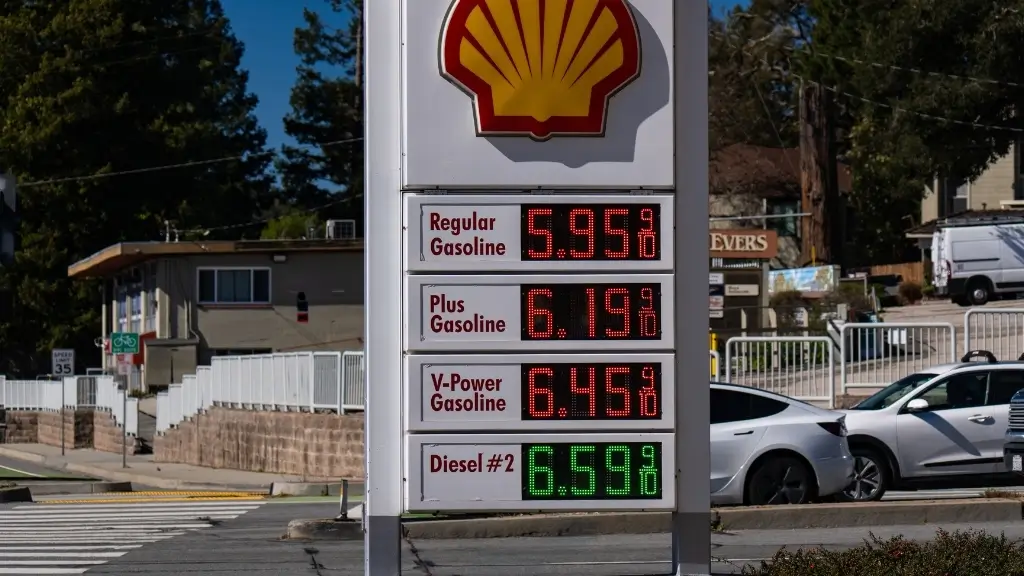
California has become the clearest example of how fuel prices can spiral when taxes and regulations stack on top of one another year after year. According to AAA, the national average price for regular gasoline recently hovered around $4.17 per gallon. In California, drivers were paying close to $6 per gallon on average, with some areas pushing toward $7. Diesel prices climbed even higher.
That price gap is not happening by accident.
California drivers are paying some of the highest fuel taxes and regulatory costs in the country. State excise taxes, special fuel blend requirements, low-carbon fuel programs, cap-and-trade costs, environmental fees, and refinery regulations all contribute to higher prices.
And once those costs are built into the system, consumers pay them every single time they stop at the pump.
That’s why Representative Kevin Kiley introduced the “Gas Tax Reduction Act,” targeting states with gasoline taxes exceeding 50 cents per gallon. The proposal would reduce certain federal transportation funding to states that continue pushing fuel taxes beyond that threshold.
Whether the bill passes or not, it highlights something many drivers already understand: some states are making fuel dramatically more expensive through policy choices.
Oregon is facing similar criticism as fuel costs continue rising under increasingly aggressive transportation and environmental programs. Drivers are watching prices climb while state governments continue adding new fees and long-term fuel transition policies that eventually get passed directly to consumers.
And this is where many Americans are becoming frustrated.
Drivers are constantly told high fuel prices are caused by “market conditions” or instability overseas, while much less attention is paid to how much government policy contributes to the final number on the pump.
Taxes matter.
Regulations matter.
Refinery capacity matters.
Fuel mandates matter.
Transportation policy matters.
The average consumer may not follow every detail of energy policy, but they understand one thing clearly: filling up their vehicle costs far more than it used to. That affects everything else in the economy.
Higher diesel prices increase shipping costs. Grocery prices rise because transportation becomes more expensive. Contractors, delivery companies, farmers, and small businesses all absorb higher operating costs that eventually reach consumers.
Fuel prices ripple through nearly every part of daily life.
That’s why Americans are paying closer attention now to where those costs are actually coming from. And honestly, the confusion surrounding the federal gas tax debate reveals how badly these issues are communicated to the public. Many consumers genuinely believed a president could simply eliminate the tax overnight. Others assumed prices should already be dropping.
Meanwhile, nothing has changed yet.
The federal gas tax is still fully in place. States are still collecting their fuel taxes. Drivers are still paying the same elevated prices.
The larger problem is that Americans have spent years watching transportation costs steadily rise while getting very few straight answers about why.
Vehicle prices are higher.
Insurance costs are higher.
Repair costs are higher.
Interest rates are higher.
And fuel remains one of the most visible weekly expenses families deal with. That’s why the gas tax conversation is resonating now in a way it hasn’t before.
Consumers are starting to connect the dots between fuel costs and government policy. They’re asking why certain states consistently pay dramatically more than others. They’re questioning why taxes and fees continue rising while road quality often fails to improve at the same pace.
Those are fair questions.
The original purpose of the federal gas tax was to help build and maintain the interstate highway system. Today, many drivers feel like they are paying more while getting less in return. Roads remain in poor condition in many areas despite billions collected annually from motorists. At the same time, governments are searching for even more transportation revenue.
As electric vehicles and hybrids have increased interest, many states are already experimenting with replacement taxes, including EV registration fees, mileage-based taxes, and road usage charges. Why? Because governments know gasoline tax revenue eventually declines if fewer people buy fuel.
That means transportation taxation is not going away anytime soon. It’s simply evolving. And consumers are beginning to realize that.
The real issue here is not whether drivers might save a few cents per gallon if Congress temporarily suspends the federal gas tax.
The real issue is how much of today’s fuel pricing structure is driven by taxes, regulations, and policy decisions layered onto the cost of energy over decades.
That’s the part many headlines skip.
Americans do not need panic headlines or political theater. They need honest conversations about energy policy, infrastructure spending, refinery capacity, and how transportation costs impact working families.
Because at the end of the day, drivers do not care about political talking points when they’re standing at the pump.
They care about affordability.
And right now, too many Americans feel like they’re paying more every year while getting fewer answers about where all that money is actually going.
Check out my full commentary on this story: https://youtu.be/wjUWfWaj4DM
Looking for more automotive news? https://www.CarCoachReports.