
On the Dash:
- Stellantis’ addition of more than 10,000 global jobs signals a strategic pivot from cost-cutting to reinvestment.
- North America remains central, with 4,700 new jobs and continued hiring focused on engineering and manufacturing.
- A $13 billion U.S. investment and 5,000 planned manufacturing hires point to future product and production growth.
Stellantis increased its global workforce by more than 10,000 employees last year, marking the first annual employment growth in the company’s history, according to newly released corporate filings. Of those additions, 4,700 jobs were in North America, while the company’s total headcount reached 258,668, roughly in line with 2023 levels, and U.S. employment rose by about 400.
The hiring gains follow years of aggressive cost-cutting after Stellantis’ 2021 formation, when former CEO Carlos Tavares led a reduction of nearly 50,000 employees globally through 2024. Under CEO Antonio Filosa, who assumed the role last year, the company is shifting toward reinvestment, particularly in North America.
Hiring activity has been especially visible at the automaker’s Auburn Hills headquarters and tech center in Michigan, where operations have rebounded after years of reduced occupancy. The company is actively listing about 400 open jobs in Auburn Hills and more than 600 positions nationwide. Stellantis has also launched a plan to hire 2,000 engineers, with most roles expected to be based in the U.S., extending through 2027.
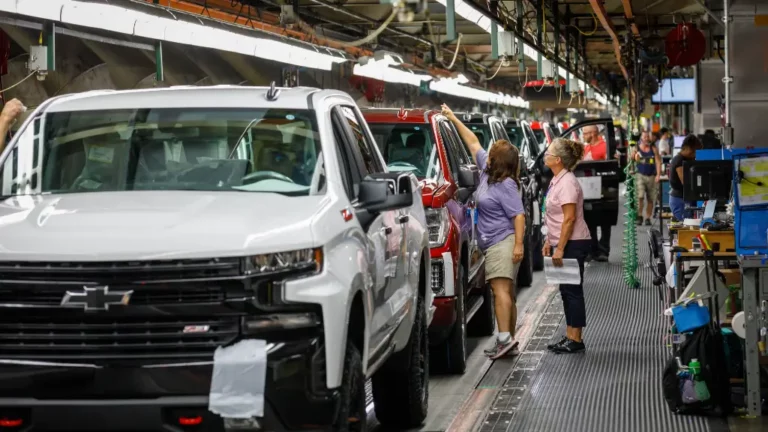
Further expansion plans include adding 5,000 U.S. manufacturing workers over the next four years as part of a $13 billion domestic investment to launch new vehicles and utilize underused plants.
Regionally, much of the 4,700-worker increase in North America occurred in Mexico, including a third shift at the Toluca Assembly Plant and staffing increases at the Saltillo Truck Assembly Plant. South America added roughly 6,000 jobs, while Europe’s headcount declined by about 2,000 to 124,084.
Filosa has emphasized rebuilding the North American business following recent declines in sales and profitability. Industry observers note early signs of stabilization, though challenges remain as the company works to restore growth momentum.