On the Dash:
- Automakers heavily reliant on Middle Eastern markets could face supply delays and higher logistics costs.
- Rising fuel prices may influence consumer demand and shift preferences toward more fuel-efficient vehicles.
- Dealers should monitor updates from international brands, especially Stellantis, Toyota, Hyundai, and Chinese automakers.
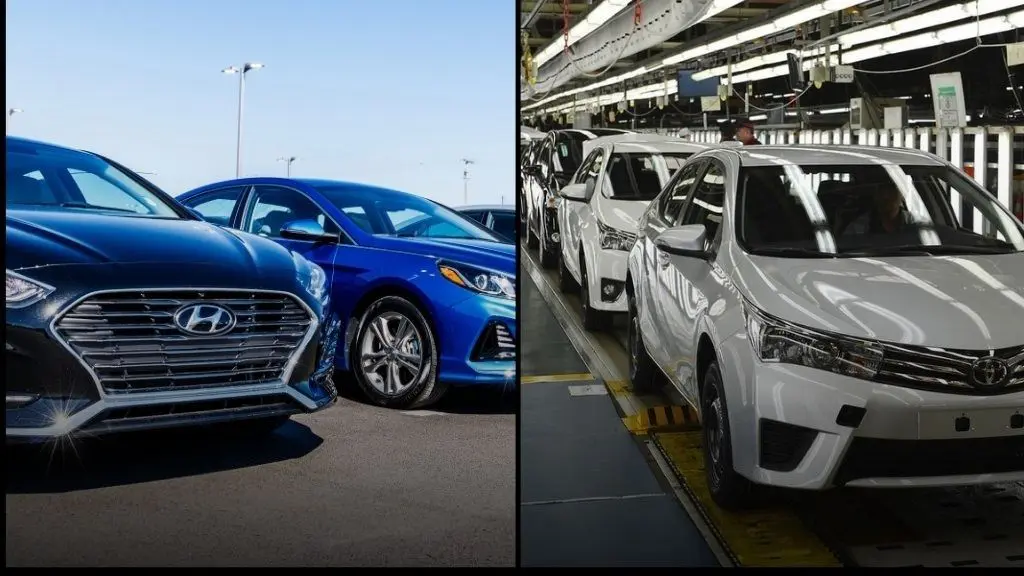
A potential U.S.-Israel conflict with Iran could disrupt sales and supply chains for Toyota, Hyundai, and Chinese automakers, including Chery, according to a Bernstein analysis, as these brands account for roughly a third of Middle East vehicle sales.
Toyota leads the region with 17% of sales, followed by Hyundai at 10%, and Chery at 5%. In Iran, domestic automakers Iran Khodro and SAIPA dominate, with Chery capturing 6% of the market. The Middle East has become an increasingly important market for Chinese automakers, representing about 17% of China’s passenger vehicle exports in 2025.
The Bernstein report warns that closing the Strait of Hormuz, a key maritime route linking the Persian Gulf to the Gulf of Oman and the Indian Ocean, could add 10–14 days to transit times. Roughly 20 million barrels of crude oil pass through the strait daily, and it is a critical route for vehicle and parts shipments to the Middle East. Rising oil prices and prolonged closure could hurt sales, increase logistics costs, and delay deliveries worldwide, according to analyst Eunice Lee.
Japanese automakers’ exposure is currently limited but requires close monitoring, Bernstein said. European brands, particularly Stellantis, the parent of Chrysler and Jeep, could face more significant challenges. Stellantis’ stock has fallen 11% since last Friday amid high gasoline prices and a market pivot toward gas-powered HEMI V8 engines, while its electrification efforts are still underway. U.S. crude oil topped $90 per barrel, and retail gasoline averaged $3.25 per gallon through Thursday, up nearly 27 cents over the past week, according to AAA.
Stellantis said it is closely monitoring developments across affected countries but cannot yet fully assess local impacts. Toyota confirmed it does not operate in Iran but is monitoring the situation to prioritize employee safety in the Middle East. Hyundai and Chery did not respond to requests for comment.
Dealers should prepare for potential supply delays, rising logistics costs, and shifts in consumer demand driven by higher fuel prices, particularly for automakers with significant exposure to the Middle East.