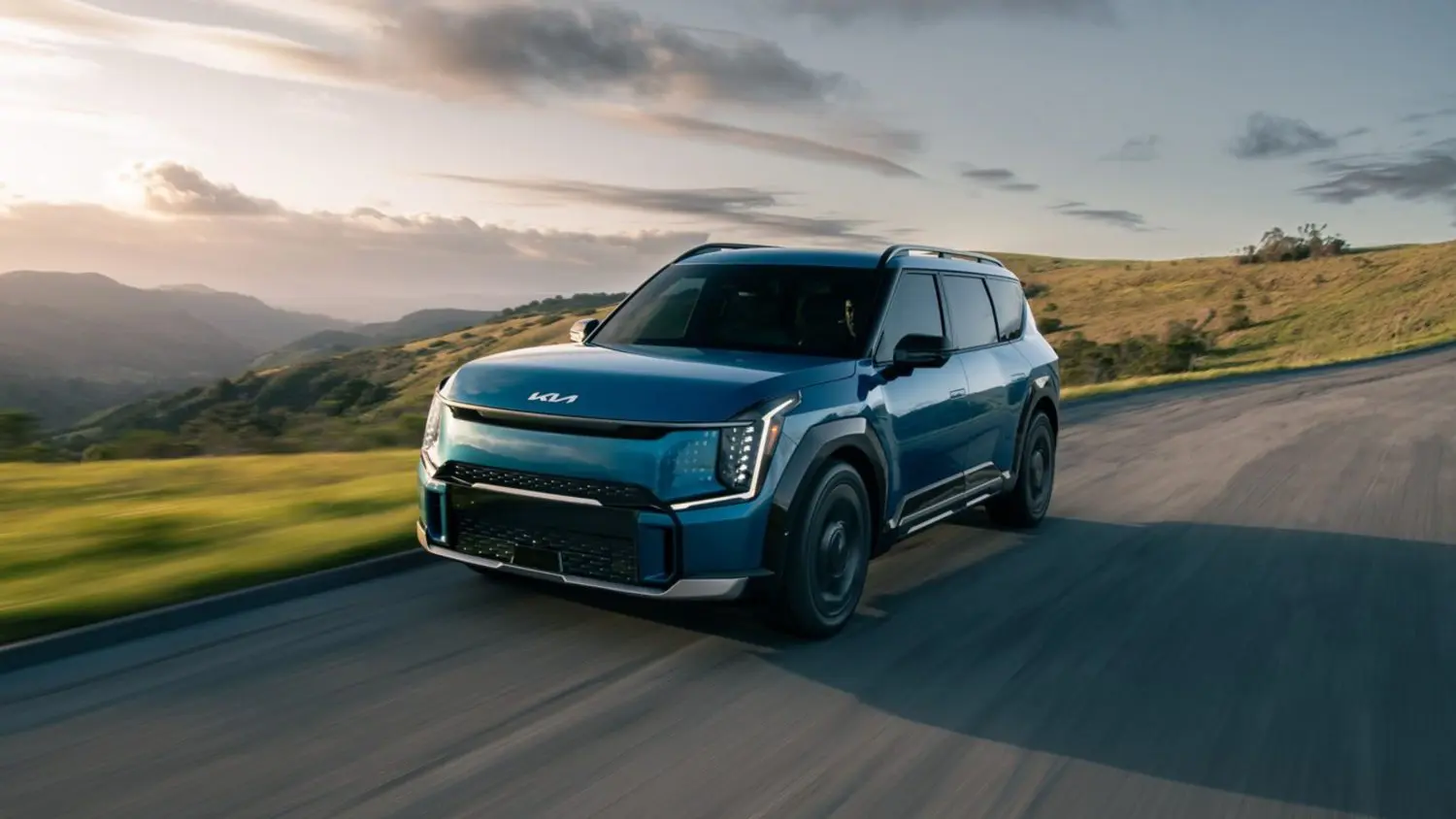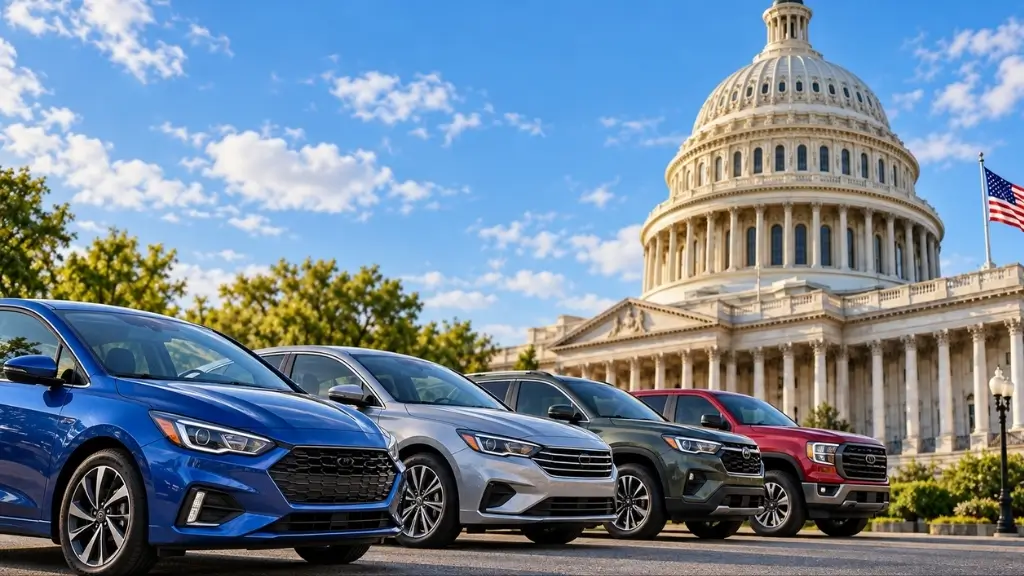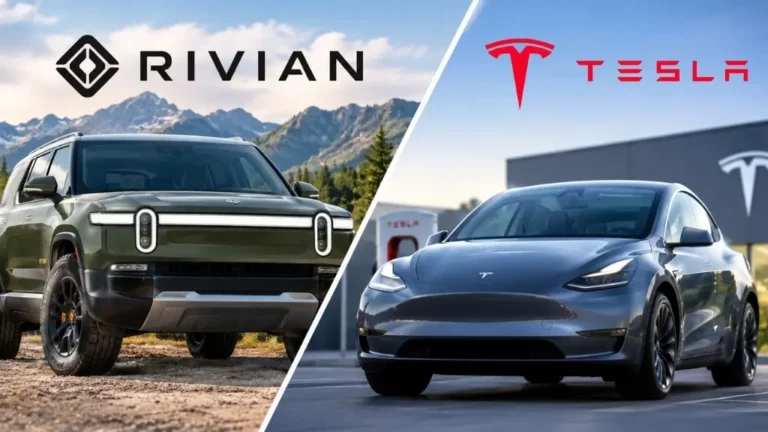

Take a drive down any street in America and you’ll notice something disappointing: most modern cars look nearly identical. Smooth, bulbous, wind-tunnel shapes dominate the road, turning our daily drivers into a parade of rounded boxes that lack personality, innovation, and visual identity. The modern car has become a jelly bean, and consumers are right to wonder why.
The complaints aren’t coming only from everyday motorists. Designers, engineers, and enthusiasts have been sounding the alarm for years, pointing out that the automotive industry is trapped in a cycle of regulation-driven styling, cost-cutting, and risk-averse design decisions. The result is a market full of cars that are efficient and technologically advanced—but boring and visually uninspiring.
There are exceptions, of course. Brands like Ferrari, Porsche, and Lamborghini continue to produce stunning designs that prove creativity is still possible. These vehicles show that automotive beauty isn’t dead; it’s just missing from the vehicles most Americans actually drive. Supercars still demonstrate emotion, proportion, and the kind of sculpted elegance that once defined the entire industry. Meanwhile, the average SUV in a grocery store parking lot looks like it was shaped not by designers, but by committee. They all start to look the same.
So, how did we get here?
The shift begins with regulatory pressure. Safety rules, pedestrian-impact laws, emissions requirements, and fuel-efficiency standards have all increased dramatically. These mandates dictate hood height, bumper shape, grille design, and body angles. A taller front end helps protect pedestrians, but it also forces vehicles to adopt blunt, bulky silhouettes. More rigid crash structures require thickening of pillars, which changes proportions and eliminates the sleek shapes of past decades.
Add to that the push toward electrification. Many EVs have flat battery platforms that result in tall, heavy bodies, limiting the sculpting and stance designers can achieve. The need for aerodynamics further narrows styling options—slippery surfaces beat sharp edges in the wind tunnel, leading to the rounded look we see across the industry.
The second factor is the consolidation of design language. Automakers are shaving costs wherever possible, and that includes shared platforms, shared components, and shared design cues. A midsize SUV from one brand now looks nearly indistinguishable from a competitor’s because they are all using similar engineering requirements and trend-driven styling. The pursuit of “global appeal” has created vehicles that offend no one but inspire no one.
Finally, automakers are designing to the algorithm. Market research and predictive analytics now dictate what a car should look like long before a designer sketches the first line. The human element—instinct, emotion, risk—is being replaced by data-driven, conservative formulas.
But there’s hope. Enthusiasts are pushing back. Consumers are speaking up. And companies that dare to make bold, distinctive vehicles are rewarded with attention and loyalty. We’ve seen flashes of creativity in recent years, suggesting that the tide can turn if automakers choose to prioritize design again.
The industry has the talent. It has the technology. It has decades of iconic cars that prove beauty and practicality can coexist. The question now is whether automakers are willing to break free from bland conformity and build cars that look as exciting as they are to drive.
Until then, most daily drivers will continue to resemble jelly beans—while the true beauty, passion, and artistry remain reserved for classic cars, Ferraris, Porsches, Lamborghinis and other exotic vehicles.
Check out my full commentary on this story: http://youtu.be/Ne7mODFU9ec
Looking for more automotive news? https://www.CarCoachReports.com
Listen to The Drive Car Show – https://www.youtube.com/@thedrivecarshow