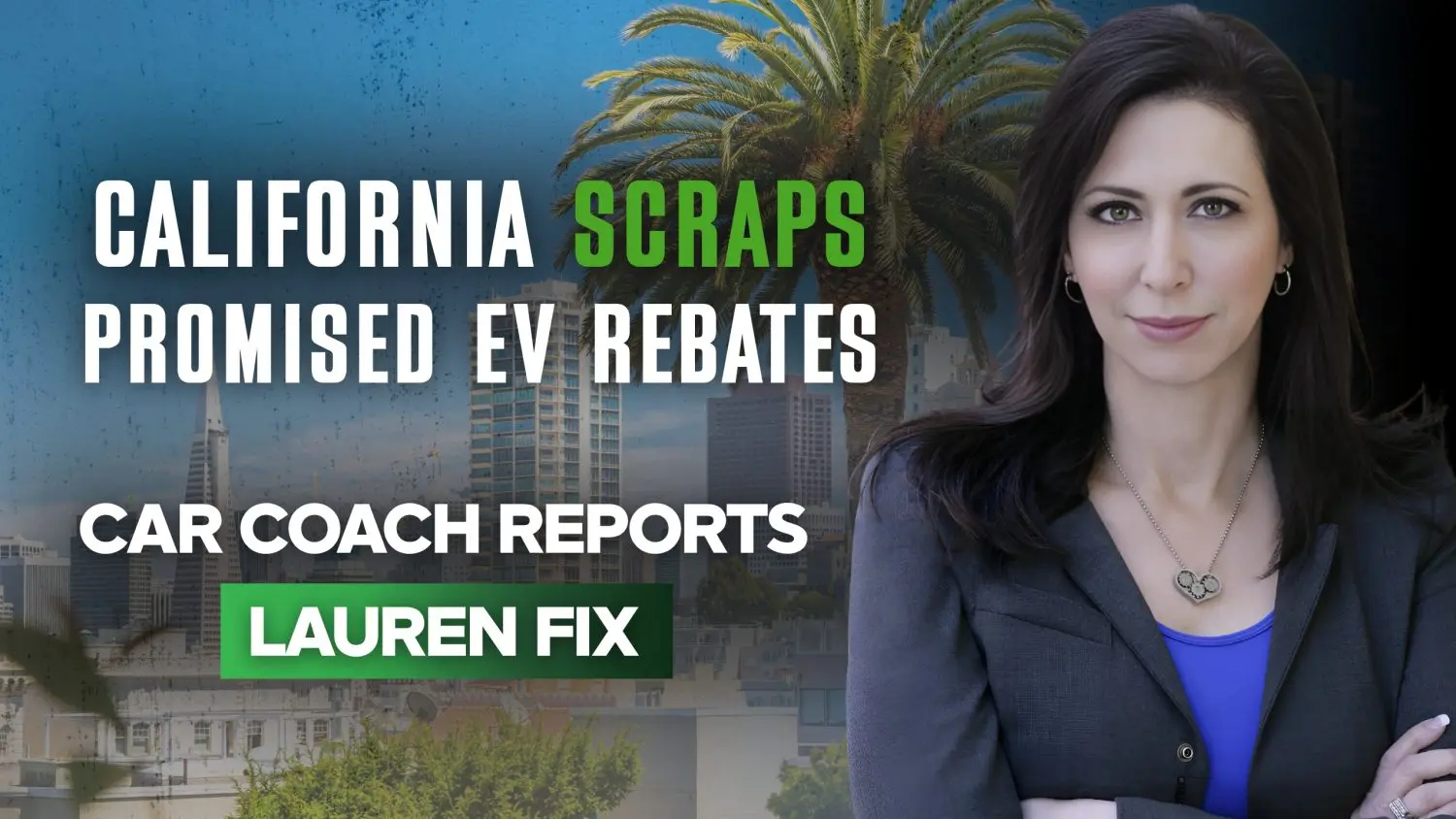
California’s electric vehicle (EV) dream is hitting a roadblock. Governor Gavin Newsom has backtracked on his pledge to replace the federal EV tax credit, set to expire on September 30, 2025, leaving drivers, dealers, and automakers in the lurch. Citing a massive $68 billion budget deficit, Newsom is redirecting funds from consumer rebates to infrastructure, a move that could stall the state’s aggressive green agenda and burden hardworking Californians.
The betrayal: Newsom’s broken word
California has positioned itself as the EV capital of America, with the federal tax credit of up to $7,500 making these vehicles more affordable. When the credit’s expiration loomed, Newsom promised a state-level rebate to keep EVs within reach, reassuring families and businesses. That promise is now dead. Instead of supporting consumers, Newsom’s administration is funneling cap-and-trade revenue—about $3.5 billion annually—into expanding EV charging stations, leaving buyers to shoulder the full cost of EVs.
This isn’t a minor tweak; it’s a gut punch to California’s drivers and automotive industry. Let’s break down the fallout.
Drivers: Priced out of the green dream
For everyday Californians, the loss of EV incentives is a financial hit. EVs already cost $10,000 to $20,000 more than gas-powered cars. Take the 2025 Nissan Leaf, starting at $28,140. With the $7,500 credit, it drops to $20,640—a lifeline for working families. Without it, EVs become a luxury, not a practical choice. A 2024 California New Car Dealers Association survey found 65% of prospective EV buyers rely on incentives. Without them, many will stick with gas vehicles or hybrids, which are cheaper upfront.
This could derail California’s goal of 5 million zero-emission vehicles by 2030. While models like the Chevrolet Bolt EV ($27,850) and Hyundai Ioniq 6 ($38,650) are becoming more price-competitive, the absence of rebates makes EVs feel unattainable for middle- and lower-income households. Newsom’s decision risks turning the EV revolution into an elitist pipe dream.
Dealers and automakers: Left high and dry
Dealerships and automakers are reeling. Dealers have poured money into EV training, inventory, and charging stations, banking on incentives to drive sales. Without them, demand for models like the Rivian R1T ($69,900) or Lucid Air ($77,400) could tank, hitting smaller dealerships hardest. Automakers like Tesla, Ford, and Volkswagen, who’ve leaned into California’s EV market (38% of U.S. sales in 2024, per the California Energy Commission), now face a potential sales slump. Some may shift focus to states with better incentives, like Washington or New York.
There’s a faint silver lining: expanded charging infrastructure could address the 48% of Americans who, per a 2024 Consumer Reports survey, avoid EVs due to limited charging options. But that’s a long-term fix, and dealers need sales now.
Infrastructure over people: A misguided priority?
Newsom’s plan bets on building out California’s 105,000 public charging stations—25% of the U.S. total—to 1.2 million by 2030. More chargers, especially in rural and low-income areas, could make EVs more practical. But infrastructure takes years, and the benefits won’t help buyers facing sticker shock today. Critics see this as Newsom prioritizing flashy projects over immediate relief for Californians already stretched thin by high taxes and living costs.
California’s green goals in jeopardy
California’s climate targets—100% zero-emission vehicle sales by 2035 and carbon neutrality by 2045—are at risk. EVs made up 21% of new car sales in 2024, per the California Air Resources Board, but without incentives, consumers may opt for gas vehicles, especially with gas at $4.50 a gallon in 2025—not cheap, but not a dealbreaker. This shift could also widen inequality, as wealthier buyers snap up EVs while working-class families are priced out.
There’s a chance this could spur innovation. Without handouts, automakers might focus on affordable models—Tesla’s hinted at a sub-$30,000 EV by 2027. But for now, Newsom’s pivot feels like a betrayal of California’s drivers.
What you can do
Shop smart—compare models, negotiate, or consider leasing, which may still qualify for federal credits. Dealers: Highlight EVs’ long-term savings—$1,500 less per year to operate, per the U.S. Department of Energy—and partner with utilities for charging perks. Automakers: Double down on affordable models to keep California’s market alive.
This isn’t just about EVs; it’s about government overreach, broken promises, and who pays the price. California’s choices ripple nationwide, affecting car prices and regulations. Share this with anyone who drives or cares about where their tax dollars go. Newsom’s green vision is faltering—will it crash, or can the market steer it back? Stay tuned.
Check out my full commentary on this story: http://youtu.be/mDjIBW3l_2E
Looking for more automotive news? https://www.CarCoachReports.com
Listen to The Drive Car Show – https://www.youtube.com/@thedrivecarshow