TSLA357.3802.57%
GM77.4000.4%
F12.0750.015%
RIVN14.840-0.1%
CYD31.9450.915%
HMC31.545-0.055%
TM182.450-0.65%
CVNA59.860-2.68%
PAG202.3902.05%
LAD294.6902.86%
AN163.0555.615%
GPI244.8904.45%
ABG173.9501.65%
SAH62.1701.82%
TSLA357.3802.57%
GM77.4000.4%
F12.0750.015%
RIVN14.840-0.1%
CYD31.9450.915%
HMC31.545-0.055%
TM182.450-0.65%
CVNA59.860-2.68%
PAG202.3902.05%
LAD294.6902.86%
AN163.0555.615%
GPI244.8904.45%
ABG173.9501.65%
SAH62.1701.82%
TSLA357.3802.57%
GM77.4000.4%
F12.0750.015%
RIVN14.840-0.1%
CYD31.9450.915%
HMC31.545-0.055%
TM182.450-0.65%
CVNA59.860-2.68%
PAG202.3902.05%
LAD294.6902.86%
AN163.0555.615%
GPI244.8904.45%
ABG173.9501.65%
SAH62.1701.82%

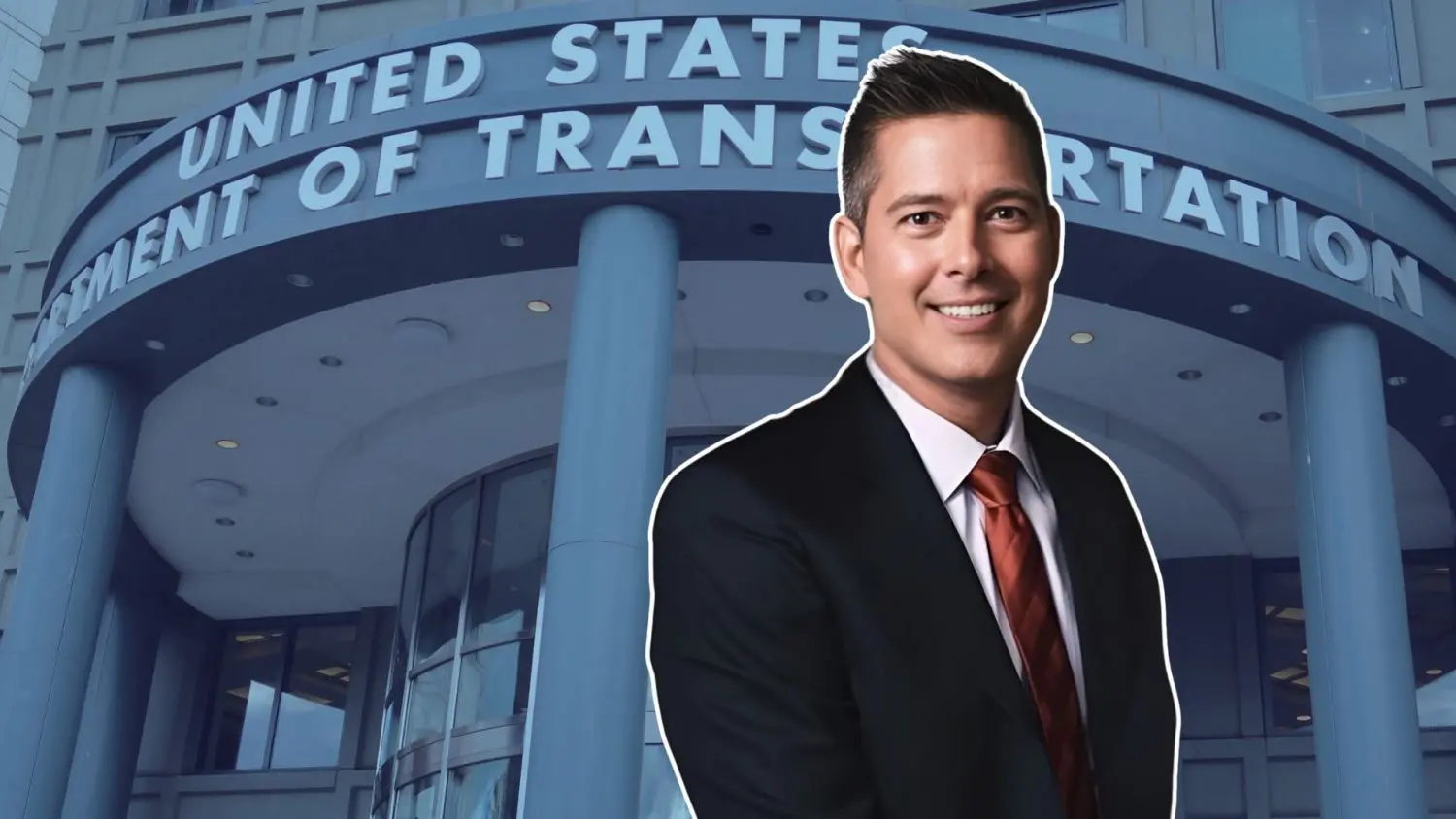
U.S. Transportation Secretary Sean Duffy moves to reconsider fuel economy standards

By reconsidering these rules, the administration could extend the production cycle of ICE vehicles, easing regulatory pressure on manufacturers.
New U.S. Transportation Secretary Sean Duffy orders review of fuel economy standards, signaling a shift in vehicle efficiency regulations.

Newly appointed U.S. Transportation Secretary Sean Duffy has moved swiftly to reverse key fuel economy policies set under the Biden administration. Within hours of being sworn in, Duffy issued a memorandum directing the National Highway Traffic Safety Administration (NHTSA) to reset Corporate Average Fuel Economy (CAFE) standards, rolling back regulations that aimed to reduce fuel consumption for cars and trucks. His immediate action signals a significant shift in federal policy under the Trump administration, favoring a more market-driven approach to vehicle efficiency.

The CAFE standards in question were finalized in June 2023, setting stricter fuel efficiency mandates for automakers. Under these regulations, light-duty vehicle efficiency was slated to increase from 39.1 miles per gallon (mpg) to 50.4 mpg by 2031. Additional rules extended to heavy-duty pickups and vans through 2035. While federal law requires NHTSA to establish fuel economy standards at the highest feasible level, the agency’s prior ruling placed increased pressure on automakers to phase out internal combustion engine (ICE) models in favor of electric and hybrid alternatives.

Sign up for CBT News’ daily newsletter and get the latest industry stories delivered straight to your inbox.

Duffy’s directive calls for reevaluating these mandates, citing concerns over rising vehicle costs and potential limitations on consumer choice. The decision aligns with broader efforts to slow the federal push toward electrification, reflecting the Trump administration’s stance on reducing regulatory burdens on the auto industry. In addition to the NHTSA’s review, the Environmental Protection Agency (EPA) is expected to reassess vehicle emissions regulations and revisit California’s authority to phase out gasoline-only vehicle sales by 2035.

The rollback of these regulations carries significant implications for automakers, consumers, and industry stakeholders. Previous CAFE requirements were projected to cut gasoline consumption by 64 billion gallons and reduce emissions by 659 million metric tons. While regulators estimated these changes would generate $35.2 billion in net benefits through fuel savings, higher fuel economy standards also contributed to increased vehicle production costs. By reconsidering these rules, the administration could extend the production cycle of ICE vehicles, easing regulatory pressure on manufacturers while potentially slowing the adoption of electric vehicles (EVs).


Read More
More from Articles
DriveCentric introduces Acquire Agent For real-time vehicle acquisition

DriveCentric introduces Acquire Agent For real-time vehicle acquisition

- October 1, 2026
ST. LOUIS, Oct. 1, 2026/PRNewswire/ -- DriveCentric, the dealer industry's leading AI Engagement Platform, today announced Acquire Agent, the latest addition to its growing portfolio of native AI Agents. Acquire...
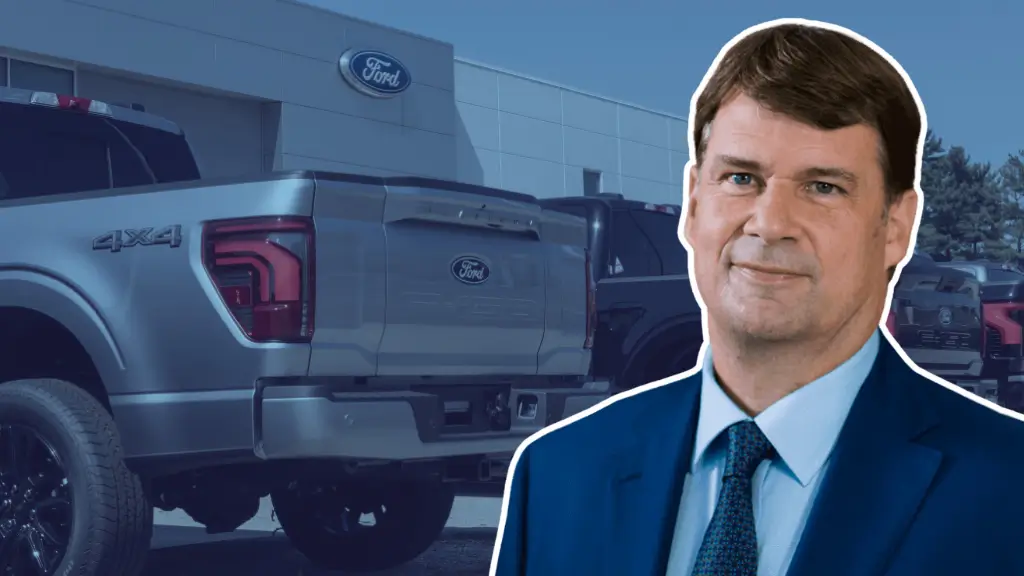
Ford’s Farley says F-150 supplier issues are fixed, sounds alarm on trades training

Ford’s Farley says F-150 supplier issues are fixed, sounds alarm on trades training

- October 1, 2026
On the Dash: Farley said the F-150 supplier issue is fixed but will reduce third-quarter wholesale shipments.  Dealers held about 40 days of pickup supply, below Ford's 50- to 60-day...
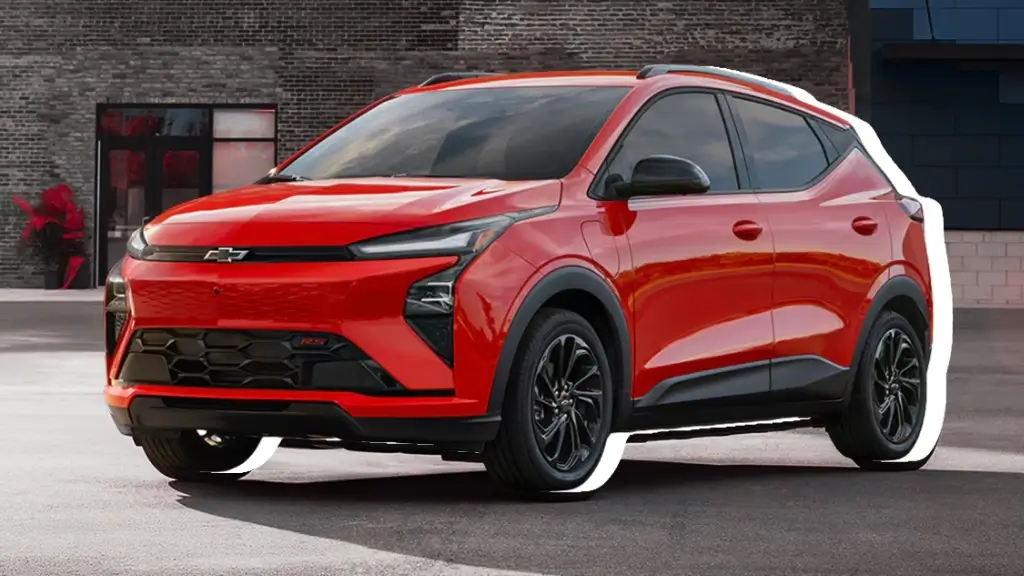
Chevy Bolt production target reportedly cut to 35,000 units

Chevy Bolt production target reportedly cut to 35,000 units

- October 1, 2026
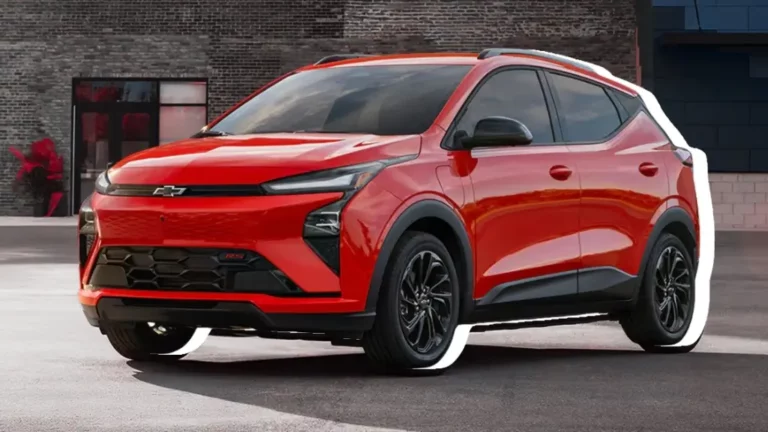
On the Dash: UAW documents reportedly show GM targeting 35,000 revived Bolts, down sharply from the 150,000 units the Fairfax plant could potentially produce. The 2027 Bolt returns with updated...
Filosa says Stellantis turnaround plan will pay off by 2027

Filosa says Stellantis turnaround plan will pay off by 2027

- October 1, 2026
On the Dash: Stellantis is holding its 2026 guidance, with positive industrial free cash flow expected in 2027. Industrial free cash flow targets reach 3 billion euros in 2028 and...
CBT News
Privacy Overview

This website uses cookies so that we can provide you with the best user experience possible. Cookie information is stored in your browser and performs functions such as recognising you when you return to our website and helping our team to understand which sections of the website you find most interesting and useful.