TSLA358.0801.5%
GM84.290-1.08%
F13.365-0.135%
RIVN15.230-0.31%
CYD33.8800.13%
HMC32.110-0.1%
TM192.210-3.26%
CVNA65.400-1.505%
PAG214.150-1.96%
LAD339.230-6.68%
AN195.370-8.24%
GPI262.220-13.23%
ABG195.210-9.94%
SAH72.690-2.09%
TSLA358.0801.5%
GM84.290-1.08%
F13.365-0.135%
RIVN15.230-0.31%
CYD33.8800.13%
HMC32.110-0.1%
TM192.210-3.26%
CVNA65.400-1.505%
PAG214.150-1.96%
LAD339.230-6.68%
AN195.370-8.24%
GPI262.220-13.23%
ABG195.210-9.94%
SAH72.690-2.09%
TSLA358.0801.5%
GM84.290-1.08%
F13.365-0.135%
RIVN15.230-0.31%
CYD33.8800.13%
HMC32.110-0.1%
TM192.210-3.26%
CVNA65.400-1.505%
PAG214.150-1.96%
LAD339.230-6.68%
AN195.370-8.24%
GPI262.220-13.23%
ABG195.210-9.94%
SAH72.690-2.09%

SUV market share hits record despite affordability crisis

SUVs rule the road, capturing 58% of U.S. sales in 2024, but rising prices test automakers' ability to keep them affordable.
SUV

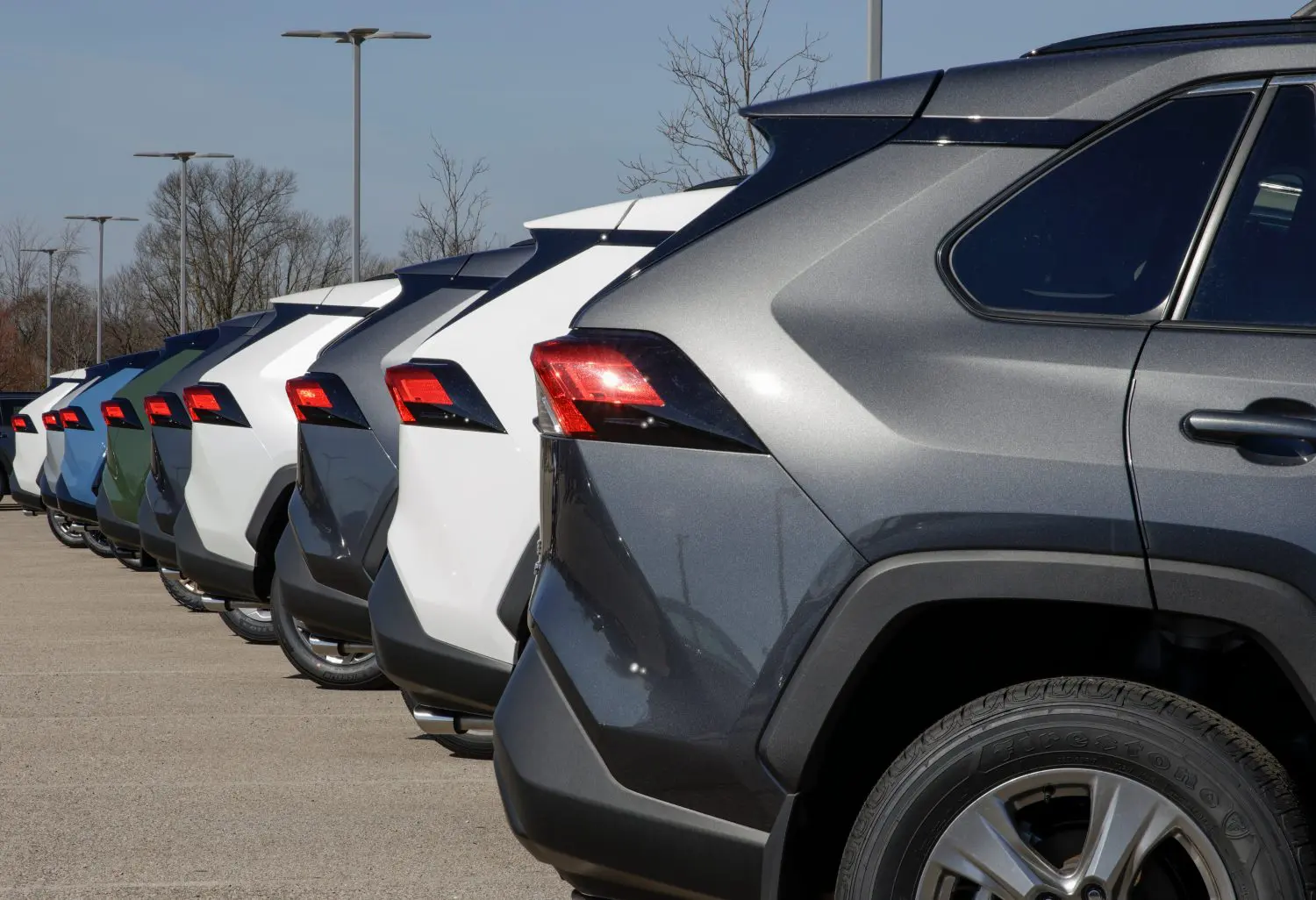
SUVs continue to dominate the U.S. auto market, capturing 58% of all vehicle transactions between January and October 2024—a record high, according to Edmunds.

Meanwhile, the share of smaller cars has hit a record low of 19%, underscoring a significant shift in consumer preferences toward larger vehicles.

Despite their popularity, vehicle affordability remains a pressing issue. Over the past two decades, the average price of an SUV has risen 44%, now sitting at $46,211. However, this increase is modest compared to other vehicle types, with cars up 54% and trucks surging by 106%.

While SUVs are popular for their practicality and appeal, especially among families, concerns about affordability are prompting automakers to rethink their pricing strategies in order to maintain market share. Manufacturers are striving to keep SUVs accessible despite rising costs by balancing customer demand with price sensitivity. Although prices of SUVs have not increased as dramatically as those of other vehicle types, the affordability crisis is becoming increasingly apparent. At the recent Los Angeles Auto Show, new SUV models were introduced with price tags that could push many consumers out of the new vehicle market.

Interestingly, vehicle transaction prices across the industry have slightly declined, falling by 1% year-over-year. This trend reflects easing supply constraints and stabilizing economies in the post-pandemic period, although affordability remains a concern for many households.

As SUVs continue their ascent, automakers face the challenge of meeting consumer demand while addressing affordability. How manufacturers balance innovation with cost containment will determine the market’s trajectory in the years ahead.


Read More
More from Articles
Volvo

Volvo plans 13 new models by 2030 as it targets market share growth

- September 17, 2026
On the Dash: Volvo plans 13 new models through 2030, including EVs and hybrids, to broaden its lineup and target double its market share. Seven models will target Western markets,...
New-vehicle affordability improves 1.2% year over year

New-vehicle affordability improves 1.2% year over year

- September 17, 2026
On the Dash: The average new-vehicle price rose 0.5% in August to $50,090, putting renewed pressure on affordability. The typical payment reached $770, up 0.5% monthly and 2.6% year over...
What the Fed's rate hike means for car buyers and your F&I office

What the Fed’s rate hike means for car buyers and your F&I office

- September 16, 2026
On the Dash: The Fed raised rates a quarter point to 3.75% to 4%, its first hike since 2023. Most Fed officials project at least one more rate increase before...
Reynolds and Reynolds Set to Share What’s Next with AI at the 22nd Annual CXAUTO2026 Leadership Summit

Reynolds and Reynolds Set to Share What’s Next with AI at the 22nd Annual CXAUTO2026 Leadership Summit

- September 16, 2026
DAYTON, Ohio – September 16, 2026 - Reynolds and Reynolds today announced it is sharing cutting-edge insight into the next generation of AI, and how to get the most out...
CBT News
Privacy Overview

This website uses cookies so that we can provide you with the best user experience possible. Cookie information is stored in your browser and performs functions such as recognising you when you return to our website and helping our team to understand which sections of the website you find most interesting and useful.