
TSLA388.900-3.05%
GM78.0500.27%
F12.435-0.275%
RIVN16.8900.48%
CYD42.3200.03%
HMC24.3600.1%
TM212.860-0.32%
CVNA362.240-8.84%
PAG156.0200.89%
LAD274.8700.39%
AN198.2902.48%
GPI335.4802.75%
ABG204.0901.55%
SAH67.3701.48%
TSLA388.900-3.05%
GM78.0500.27%
F12.435-0.275%
RIVN16.8900.48%
CYD42.3200.03%
HMC24.3600.1%
TM212.860-0.32%
CVNA362.240-8.84%
PAG156.0200.89%
LAD274.8700.39%
AN198.2902.48%
GPI335.4802.75%
ABG204.0901.55%
SAH67.3701.48%
TSLA388.900-3.05%
GM78.0500.27%
F12.435-0.275%
RIVN16.8900.48%
CYD42.3200.03%
HMC24.3600.1%
TM212.860-0.32%
CVNA362.240-8.84%
PAG156.0200.89%
LAD274.8700.39%
AN198.2902.48%
GPI335.4802.75%
ABG204.0901.55%
SAH67.3701.48%

Fed maintains interest rates but auto industry still faces economic tension

However, the bad news is that the market will continue to experience negative pressure due to the already-implemented interest rate hikes.
The Feds no longer expect recession policy

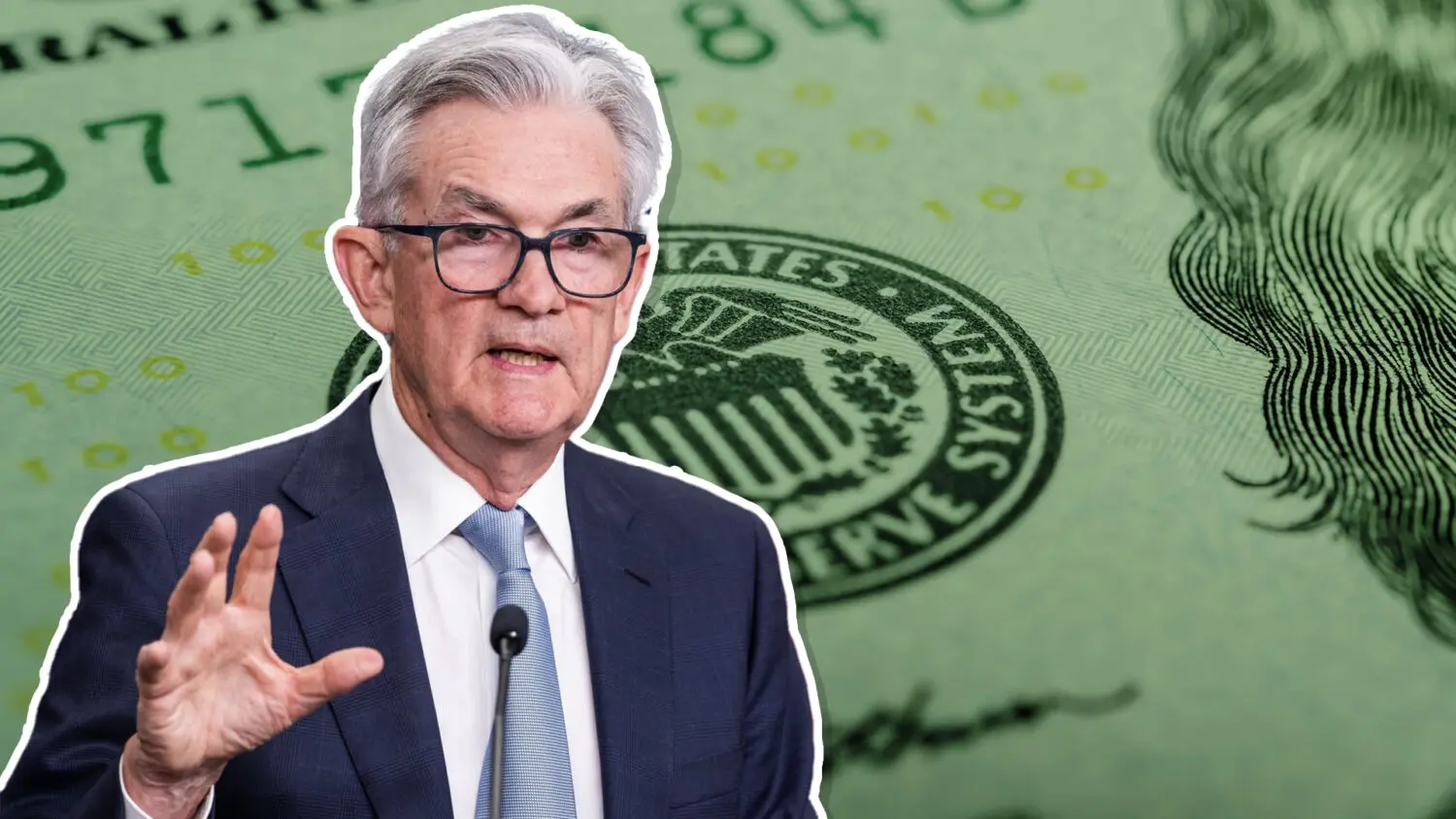
Image Source PBS News Hour | Drew Angerer | Getty Images

As anticipated, the Federal Reserve maintained rates regarding the declared short-term rate policy. However, they also clarified that there may be more rate increases in the future because they are still “highly attentive to inflation risks.” Furthermore, the Fed will meet two more times: November 1 and December 13.

The Fed recently updated its economic projections upward, and its new estimates of GDP and the unemployment rate suggest that they no longer anticipate a recession, which is encouraging for the auto industry. However, the bad news is that the market will continue to experience negative pressure due to the already-implemented interest rate hikes.

The Fed Funds Rate is now at 5.25–5.5% after 5.25% of rate increases since tightening started last year. The rate policy is now at its highest point since 2000 and is more than twice the generally accepted neutral rate. Rates are deemed restrictive when inflation falls below that level. Without any action from the Fed, the current status of rate policy will tighten further as inflation expectations continue to decline. As a result, the next phase of this monetary tightening cycle will focus less on rate hikes and more on the timing of the Fed’s ultimate rate cut.

In that regard, the biggest surprise was the updated dot plots, which show that rates may stay at this level for longer than anticipated. Only a 50–75 basis point (BP) drop-in rate policy is expected in 2024, and another 150 BPs in 2025. The rate policy would then be at 3.875% at the end of 2025, 0.50 a point higher than their previous prediction and the highest level since 2007.

Higher rates will be a major factor that will keep cost from becoming a significant factor in limiting vehicle demand. The second important aspect is the cost of new cars will continue to rise.

Over the past eight weeks, rates on the bond market have sharply increased. Bond prices fell due to the possibility of higher rates lasting longer, aggressive new Treasury issuances to finance deficit spending, and ongoing Fed balance sheet reduction, which increased yields. Since the last Fed meeting yesterday, the 10-year US Treasury has risen by about half a point. The 5-year growth was less.

All consumer loans, including vehicle loans, feel the effects of those price rises. Since July, the average new auto loan rate has risen 37 BPs to 9.58%, the highest level in over 20 years. The average interest rate for used car loans has increased by 36 basis points to 13.98%, almost reaching its previous high.

Ultimately, vehicle sales could increase or decrease in the fourth quarter if the economy can handle the difficulties along with the resumed student loan payments and a potential federal government shutdown. 
Further Reading
More from Articles
GM leans on global production to supply U.S. market amid cost pressures

GM leans on global production to supply U.S. market amid cost pressures

- April 17, 2026
On the Dash: Imported inventory may create variability in delivery timing and supply consistency. Trade policy shifts could impact the pricing and availability of certain models. Global production strategies may...
Volkswagen ends U.S. EV output, triggering $600 million financial hit 

Volkswagen ends U.S. EV output, triggering $600 million financial hit 

- April 17, 2026
On the Dash: Slower EV demand may impact inventory planning and turn rates for electric models. Production pullbacks could tighten EV supply or shift sourcing toward imports. Ongoing cost pressures...
March sales surge tightens inventory, affordability gaps persist

March sales surge tightens inventory, affordability gaps persist

- April 17, 2026
On the Dash: Faster March sales improved inventory flow, but demand remains uneven heading into Q2. Limited sub-$40K inventory continues to constrain volume opportunities. Rising incentives indicate growing pressure to...
TrueCar achieves profitability and calls for a new standard in automotive pricing

TrueCar achieves profitability and calls for a new standard in automotive pricing

- April 16, 2026
SANTA MONICA, Calif., April 15, 2026 — TrueCar, one of the most recognized and trusted automotive brands, today announced it has achieved profitability, marking a key milestone in its transformation...
CBT News
Privacy Overview

This website uses cookies so that we can provide you with the best user experience possible. Cookie information is stored in your browser and performs functions such as recognising you when you return to our website and helping our team to understand which sections of the website you find most interesting and useful.