TSLA342.2702.31%
GM86.7700.38%
F14.3650.475%
RIVN15.360-0.46%
CYD45.240-0.32%
HMC31.5800.38%
TM191.1102.4%
CVNA75.6201.92%
PAG219.8501.18%
LAD377.550-1.10999%
AN209.4101%
GPI263.9500.94001%
ABG210.6600.08%
SAH80.8301.59%
TSLA342.2702.31%
GM86.7700.38%
F14.3650.475%
RIVN15.360-0.46%
CYD45.240-0.32%
HMC31.5800.38%
TM191.1102.4%
CVNA75.6201.92%
PAG219.8501.18%
LAD377.550-1.10999%
AN209.4101%
GPI263.9500.94001%
ABG210.6600.08%
SAH80.8301.59%
TSLA342.2702.31%
GM86.7700.38%
F14.3650.475%
RIVN15.360-0.46%
CYD45.240-0.32%
HMC31.5800.38%
TM191.1102.4%
CVNA75.6201.92%
PAG219.8501.18%
LAD377.550-1.10999%
AN209.4101%
GPI263.9500.94001%
ABG210.6600.08%
SAH80.8301.59%

Why the Fed raised interest rates again, and why it matters to the auto-industry

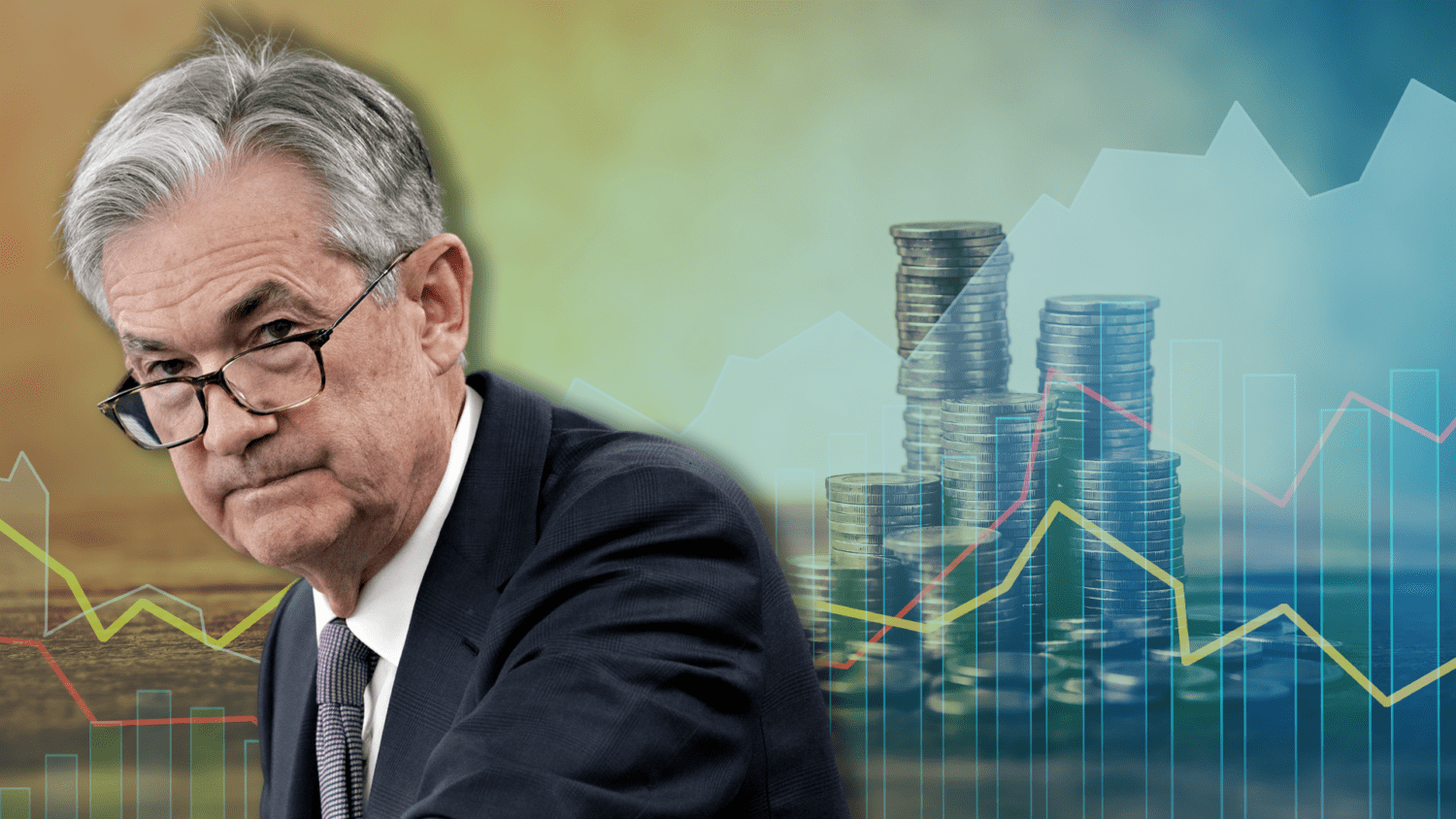
The Federal Reserve has now raised interest rates to their highest since 2008, solidifying the concerns of many industry insiders that the auto-market will worsen in 2023.
Fed interest rates

The Federal Reserve has now raised interest rates to their highest since 2008, solidifying the concerns of many industry insiders that the auto-market will worsen in 2023.

The Fed has hiked interest rates more times this than in any since 1980, as they attempt to combat high inflation. While the intent is to lower prices and encourage consumer spending, supply chain disruptions and shortages of vital resources have forced many industries to increase price tags regardless, as they look to cover staggering production costs. The auto-industry in particular has been plagued by volatility in the world’s supply infrastructure, with factory shutdowns in China and war in Ukraine making deliveries erratic and costly. This has driven up new vehicle prices to record breaking highs.

new car sales Cox Automotive, 2023, interest ratesMore: November’s average new car prices reach a record high

Automakers and dealers are also more susceptible to issues arising from increased interest rates due to the payment methods most consumers use. Monthly lease or financing payments typically increase alongside Federal Reserve hikes, and over the last year drivers have increasingly struggled to pay their bills despite generous promotions from dealers.

The bet the Federal Reserve is making is that high interest rates will eventually force a market normalization, something which consumers, economic experts and auto-industry leaders agree is desperately needed. Unfortunately, although it remains unclear when or if the gamble will pay off, there is little else the entity can do to “fix” the economy without risking greater hardship.

However, some slight improvements in the supply chain have been seen over the course of 2022, despite escalations in international tensions, and enthusiasm is starting to coalesce over EVs, which are now expected to replace internal combustion engines sooner than once thought. Furthermore, the Fed has signaled that, although future hikes are likely, interest rates may stop increasing at some point next year. Although early 2023 may be extremely difficult for many, these improvements increase the chances of a mid-year turnaround, provided future global catastrophes wait their turn.


Did you enjoy this article? Please share your thoughts, comments, or questions regarding this topic by connecting with us at newsroom@cbtnews.com.

Be sure to follow us on Facebook, LinkedIn, and TikTok to stay up to date.

While you’re here, don’t forget to subscribe to our email newsletter for all the latest auto industry news from CBT News.
More from Articles
Charlie Obaugh acquires Campus Ford in Virginia

Charlie Obaugh acquires Campus Ford in Virginia

- August 14, 2026
Charlie Obaugh Auto Group has acquired Campus Ford in Waynesboro, Virginia, from Matt McMurray. The transaction was announced in August 2026, with Performance Brokerage Services serving as the exclusive buy-side...
Revised USMCA proposals could cost billions annually, Detroit automakers warn

Revised USMCA proposals could cost billions annually, Detroit automakers warn

- August 14, 2026
On the Dash: USMCA revisions raising U.S. content thresholds to 50% could add at least $2 billion in annual costs per company. GM projects $2.5 billion to $3.5 billion in...
New-vehicle inventory tightens to 75 days' supply as July sales climb 8.5%

New-vehicle inventory tightens to 75 days’ supply as July sales climb 8.5%

- August 14, 2026
On the Dash: New-vehicle inventory drops to 75 days' supply as July sales climb 8.5%. Toyota, Lexus and Honda keep the tightest inventories while Stellantis works through excess stock. ...
Cox Automotive report finds dealers use AI widely, results still lag expectations

Cox Automotive report finds dealers use AI widely, results still lag expectations

- August 14, 2026
On the Dash: Focus AI investments on measurable dealership needs, not adoption for its own sake. Prepare teams for shoppers who are using AI before they reach the showroom. Build...
CBT News
Privacy Overview

This website uses cookies so that we can provide you with the best user experience possible. Cookie information is stored in your browser and performs functions such as recognising you when you return to our website and helping our team to understand which sections of the website you find most interesting and useful.