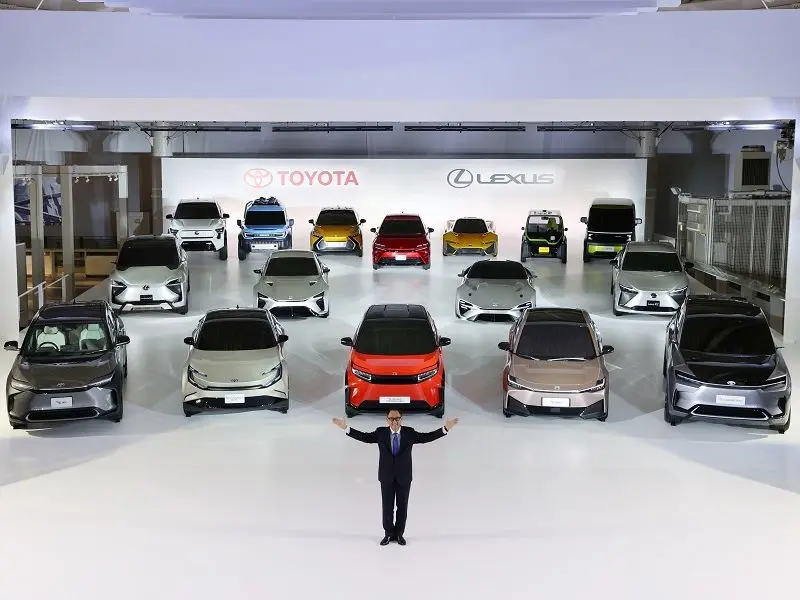
This week, Toyota announced its plans to further its commitment to electric vehicles, stating it will be allocating $70 billion to the development of its electric lineup. The announcement is quite significant, as Toyota has been criticized for lagging behind in the transition to EVs and has also been accused of attempting to slow down their evolution of them. The automaker announced it is working to have a full lineup of thirty EVs by 2030, possibly including some sort of compact sports car.
The plan includes $35 billion for the R&D of EVs that are powered by batteries alone as opposed to hybrid technologies. Despite the push for battery-only EVs, hybrids and hydrogen-powered vehicles are not out of the picture, with CEO Akio Toyoda announcing that the company wants to “leave all people with a choice, and rather than where or what we will focus on, we will wait a little longer until we understand where the market is going.”
Working toward carbon neutrality
The Japan Times further reported that the CEO also added that Toyota is aware of “the situation around energy” in different areas of the world and the automaker “wants to meet the situation and needs of different countries and regions by offering various choices in terms of carbon neutrality.” Therefore, this week’s announcement did not include any promises to be 100% battery-operated by 2030, or at any point. While automakers and environmental groups and committees have been diving deeper into EV technology within the past few years, ultimately it is yet to be determined how consumers will respond to it.
| Related: North Carolina selected for new Toyota EV battery plant |
Toyota previously declined the option to join the so-called COP26 pledge, which was signed by eleven other automakers with the goal of every car being zero emissions by 2040. Toyota stood firm in its belief that hybrids and hydrogen-powered vehicles are still crucial and are “a very important way to realize carbon neutrality.” Toyota has been one of the pioneers in hydrogen-powered vehicles with its Mirai model, but only around 17,000 have been sold since its release in 2014, likely due to factors like the high price of hydrogen fuel and the lack of hydrogen fuel infrastructure.
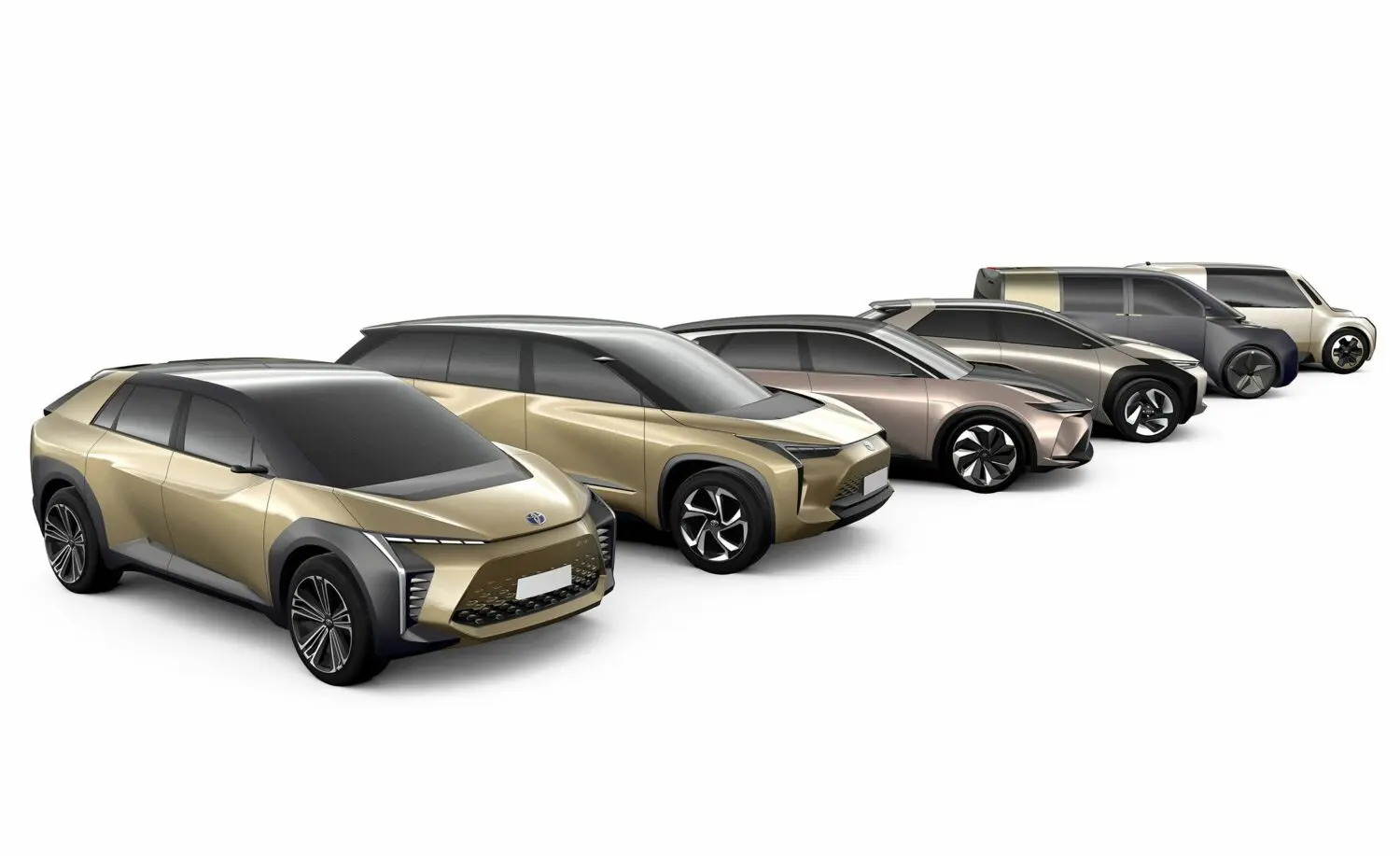 Toyota previously stated it will have 15 electric models by 2025. Despite the newly revealed ambitious goal for a full 30-vehicle lineup by 2030, Toyota is projecting it will only sell 3.5 million electric vehicles by the end of that year, which is not as robust of a goal as some other automakers. However, Toyota is working on making its luxury brand, Lexus, 100% electric in the U.S. by 2030.
Battery plant coming
Alongside this week’s announced commitment, Toyota said in late November that it has plans to build a plant for manufacturing EV batteries, potentially at the Greensboro-Randolph Megasite in North Carolina. While this location nor any set plans have been confirmed, Toyota is planning on revealing exact details of the plans by the end of December.
Other major automakers that have committed to EVs are Honda, which plans on being 100% electric by 2040, and Nissan and Ford, which are both aiming to be at least 40% electric by 2030.
Did you enjoy this article from Kimberly Hurley? Read other articles on CBT News here. Please share your thoughts, comments, or questions regarding this topic by submitting a letter to the editor here, or connect with us at newsroom@cbtnews.com.
Be sure to follow us on Facebook and Twitter to stay up to date or catch-up on all of our podcasts on demand.
While you’re here, don’t forget to subscribe to our email newsletter for all the latest auto industry news from CBT News.