TSLA360.590-20.67001%
GM72.540-2.5%
F11.590-0.09%
RIVN15.4000.46%
CYD39.410-0.08%
HMC24.150-0.16%
TM207.010-2.66%
CVNA313.5481.45799%
PAG149.3400.18%
LAD251.8201%
AN197.680-0.29%
GPI329.450-1.34%
ABG194.7600.73%
SAH64.870-0.38%
TSLA360.590-20.67001%
GM72.540-2.5%
F11.590-0.09%
RIVN15.4000.46%
CYD39.410-0.08%
HMC24.150-0.16%
TM207.010-2.66%
CVNA313.5481.45799%
PAG149.3400.18%
LAD251.8201%
AN197.680-0.29%
GPI329.450-1.34%
ABG194.7600.73%
SAH64.870-0.38%
TSLA360.590-20.67001%
GM72.540-2.5%
F11.590-0.09%
RIVN15.4000.46%
CYD39.410-0.08%
HMC24.150-0.16%
TM207.010-2.66%
CVNA313.5481.45799%
PAG149.3400.18%
LAD251.8201%
AN197.680-0.29%
GPI329.450-1.34%
ABG194.7600.73%
SAH64.870-0.38%

Trump’s threat of expanded tariffs forces Mazda into an impossible situation

Mazda's vulnerability to trade policy changes stems from its heavy reliance on imported vehicles and higher tariffs, which could force the automaker into an impossible position.
Mazda, tariffs, Trump

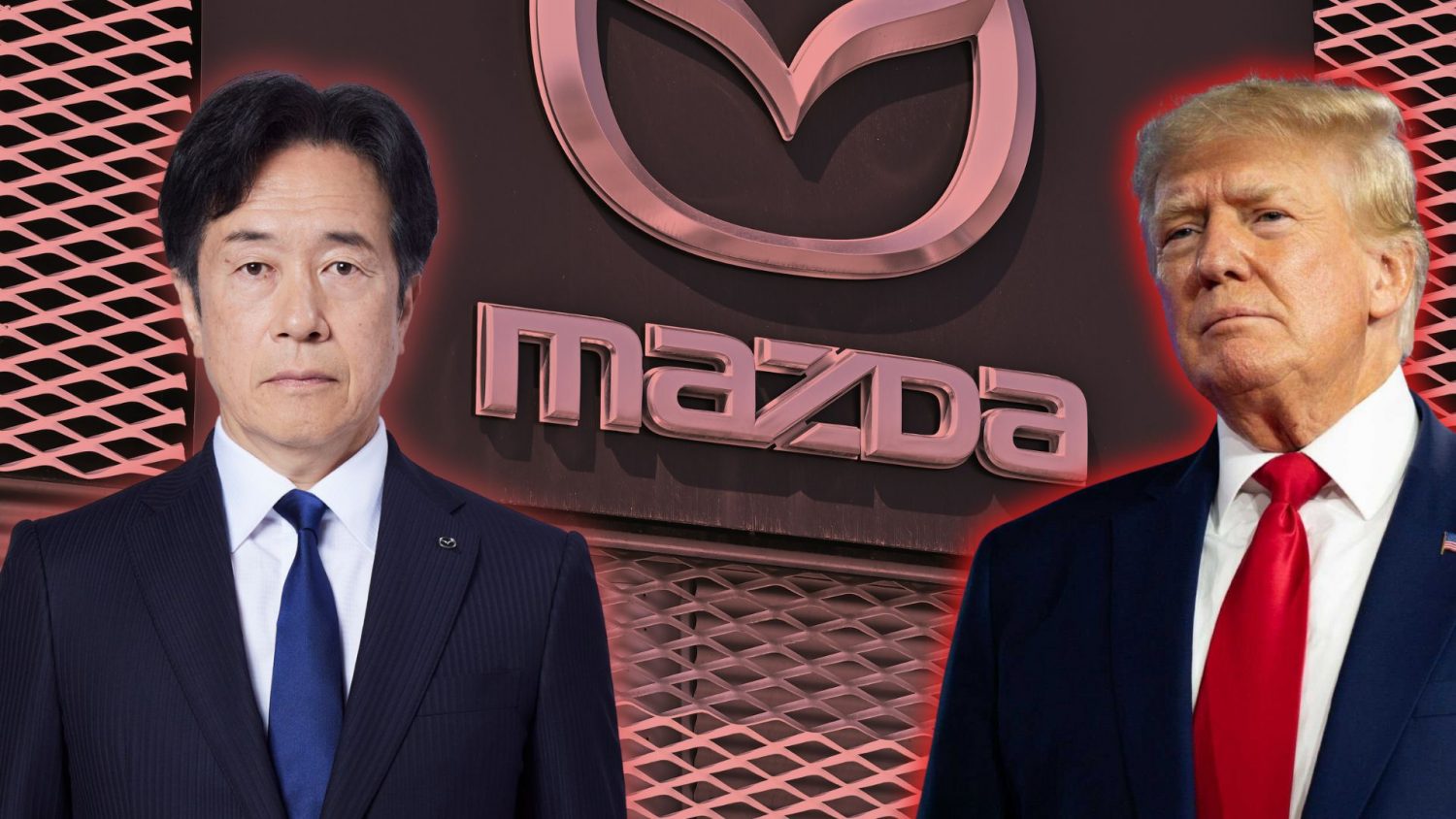
Left to Right: Mazda CEO Masahiro Moro, President-elect Donald Trump

The U.S. market accounts for a third of Mazda’s global sales, driving record-breaking performance for the automaker. Yet, the anticipated shift in political policies has introduced a wave of uncertainty.

The results of the U.S. election could slow the momentum of electric vehicle (EV) adoption, providing Mazda with more time to revamp its lineup. However, this potential reprieve comes with a catch: the looming threat of tariff expansion, which could significantly disrupt the automaker’s finely tuned business strategy.

Mazda’s vulnerability to trade policy changes stems from its heavy reliance on imported vehicles, with 88% of its U.S. sales sourced from factories outside the country. While the Huntsville, Alabama, assembly plant—jointly operated with Toyota—offers some domestic production, its output is limited to the CX-50 crossover. As a result, Mazda must navigate a precarious path, balancing potential tariff expansion with operational adjustments.

Higher tariffs could force Mazda into an impossible position. On one hand, maintaining current prices would erode profits; on the other, raising prices to offset costs might demand increased incentives to sustain sales. Either approach risks cutting deeply into Mazda’s profit margins. With U.S. operations serving as a crucial profit center, any significant disruption could ripple across the company’s global financial stability.

Mazda’s initial goal of a 6% operating profit margin by the fiscal year ending March 2026 now seems optimistic. Faced with economic pressures, the automaker has revised its projection to 4%, reflecting the challenges ahead. Still, the company remains determined, leveraging a temporary spike in incentives to sustain sales through 2024 while preparing for a strong push with new models, including the highly anticipated CX-50 Hybrid.

As Mazda braces for these headwinds, its phased approach to innovation and cautious EV rollout could be key assets. By focusing on hybrid and internal combustion technologies alongside EVs, the company is positioning itself to remain flexible amid economic uncertainties while pursuing long-term growth.


Read More
More from Articles
Ed Morse Automotive Group acquires Porsche Des Moines in Iowa

Ed Morse Automotive Group acquires Porsche Des Moines in Iowa

- April 3, 2026
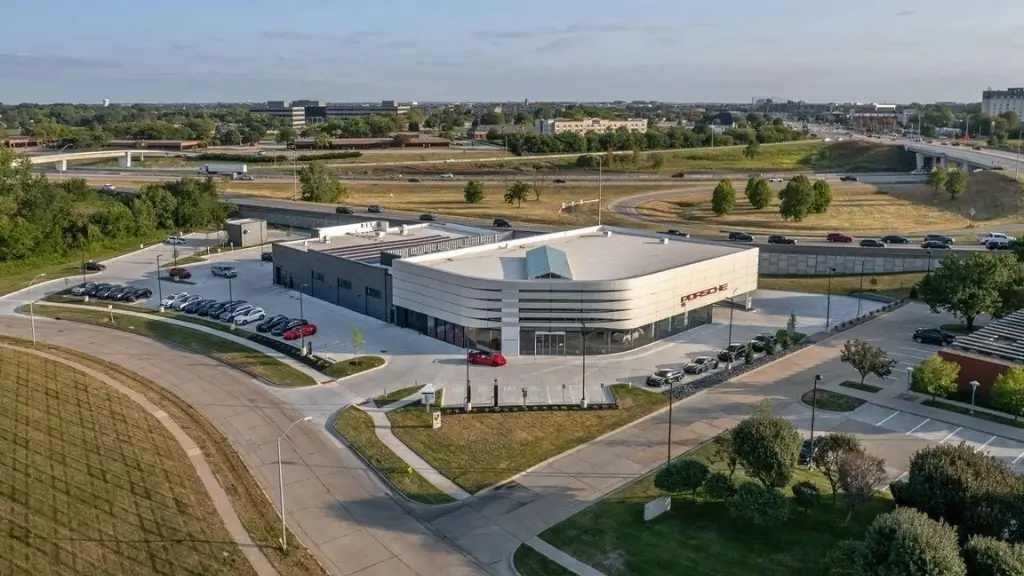
Ed Morse Automotive Group acquired Porsche Des Moines in Iowa from Jason Pittack of the Woodhouse Auto Family in a transaction that closed April 1, 2026. The dealership will continue...
GM to invest more than $150 million in Saginaw Metal Casting Plant

GM to invest more than $150 million in Saginaw Metal Casting Plant

- April 3, 2026
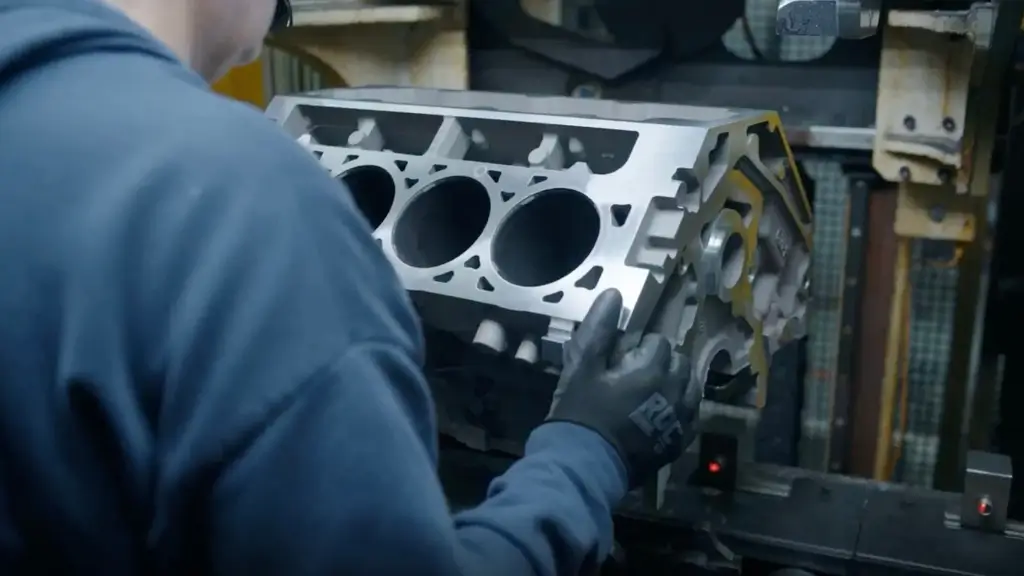
General Motors announced plans to invest more than $150 million in its Saginaw Metal Casting Operations to support the production of the sixth generation of GM’s V-8 engine blocks and...
White House revises metals tariffs, shifts calculation method

White House revises metals tariffs, shifts calculation method

- April 3, 2026
On the Dash: The revised tariff structure simplifies how metals duties are calculated by applying them to consumer purchase prices and eliminating complex component-level assessments. The changes are expected to...
Stellantis explores EV production in Canada with China’s Leapmotor

Stellantis explores EV production in Canada with China’s Leapmotor

- April 3, 2026
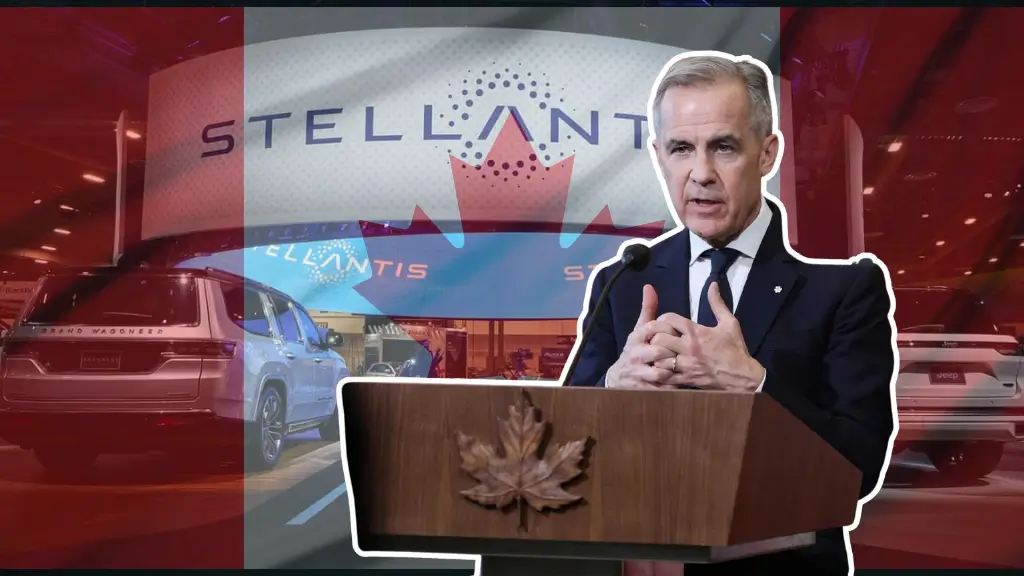
On the Dash: Stellantis’ early-stage talks with Leapmotor highlight how global partnerships are accelerating as automakers adapt to shifting tariffs and EV demand. Uncertainty around U.S. trade policy and potential...
CBT News
Privacy Overview

This website uses cookies so that we can provide you with the best user experience possible. Cookie information is stored in your browser and performs functions such as recognising you when you return to our website and helping our team to understand which sections of the website you find most interesting and useful.