TSLA347.9401.29%
GM76.4203.66%
F12.1150.595%
RIVN14.9830.2925%
CYD40.8501.25%
HMC24.4550.965%
TM214.59510.935%
CVNA336.10015.88%
PAG153.7405.57%
LAD272.62011.08%
AN198.8555.345%
GPI335.41011.45%
ABG202.4507.31%
SAH66.3102.81%
TSLA347.9401.29%
GM76.4203.66%
F12.1150.595%
RIVN14.9830.2925%
CYD40.8501.25%
HMC24.4550.965%
TM214.59510.935%
CVNA336.10015.88%
PAG153.7405.57%
LAD272.62011.08%
AN198.8555.345%
GPI335.41011.45%
ABG202.4507.31%
SAH66.3102.81%
TSLA347.9401.29%
GM76.4203.66%
F12.1150.595%
RIVN14.9830.2925%
CYD40.8501.25%
HMC24.4550.965%
TM214.59510.935%
CVNA336.10015.88%
PAG153.7405.57%
LAD272.62011.08%
AN198.8555.345%
GPI335.41011.45%
ABG202.4507.31%
SAH66.3102.81%

Trump’s tariff plans could unravel USMCA agreements

While Trump's policies aim to bolster domestic manufacturing, the ripple effects of such tariffs could lead to unintended consequences.
USMCA

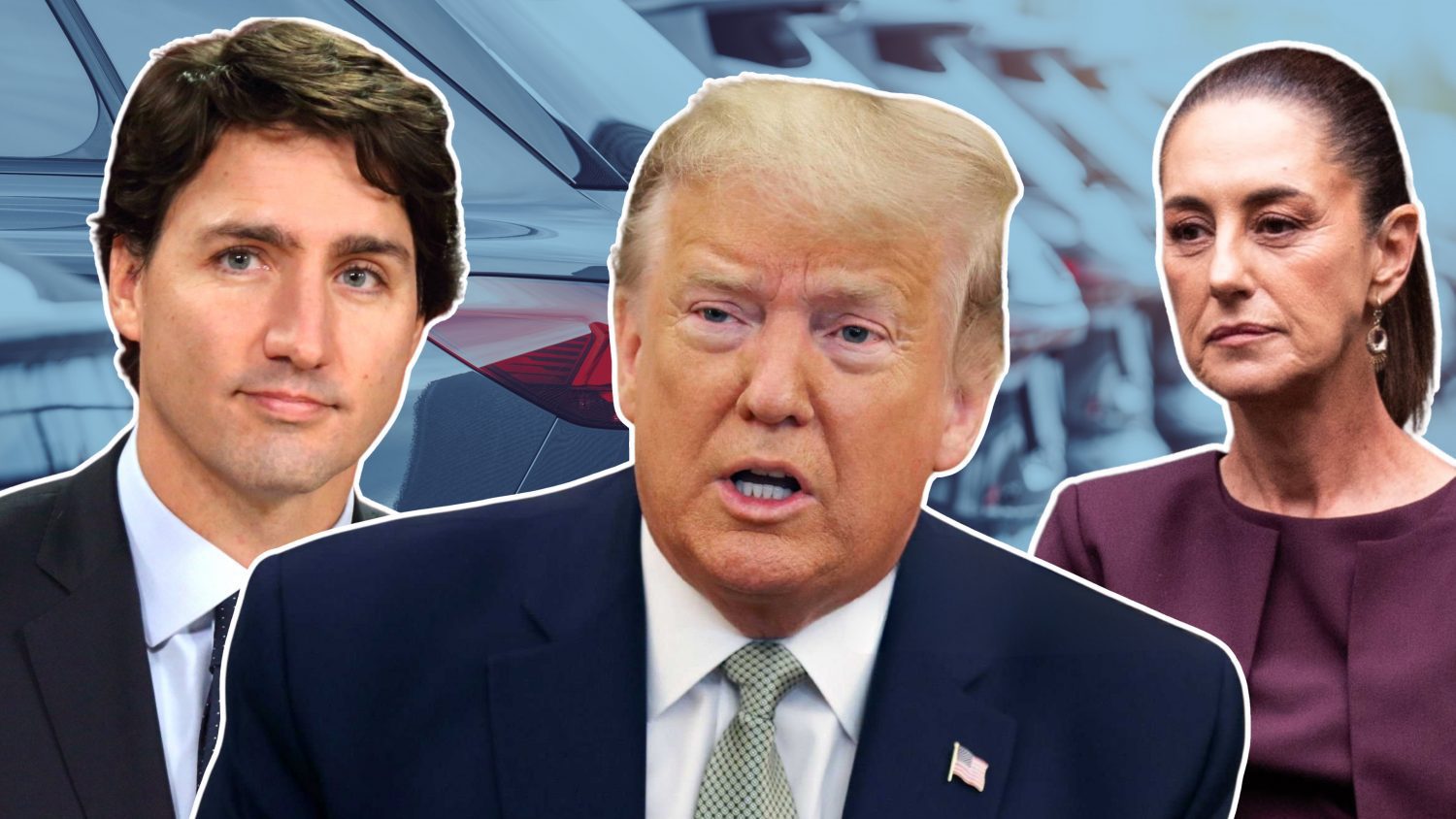
Although the U.S.-Mexico-Canada Agreement (USMCA) is scheduled for review in 2026, President-elect Donald Trump’s controversial 25% tariff threats may accelerate changes to the agreement. These proposed tariffs, part of Trump’s “America First” trade strategy, have the potential to disrupt supply chains, inflate costs, and heighten market uncertainty—posing significant challenges to the U.S. automotive industry.

Trump’s promise of sweeping tariffs on imports from Canada and Mexico echoes his 2018 imposition of steel and aluminum tariffs, which disrupted trade and complicated USMCA negotiations. With Trump unlikely to wait until 2026 to revisit the deal, the uncertainty surrounding the future of this trilateral trade pact is cause for concern. USMCA plays a critical role in the economic interconnectedness of the U.S., Canada, and Mexico, making its stability vital for all three nations.

The impact on the U.S. auto industry could be severe. Imports from Canada and Mexico account for over 50% of all auto parts brought into the U.S., forming the backbone of North American supply chains. If enacted, the proposed tariffs would dramatically increase costs for automakers, leaving them with two unfavorable options: absorb the financial hit or pass the added expense onto consumers through higher vehicle prices.

While Trump’s policies aim to bolster domestic manufacturing, the ripple effects of such tariffs could lead to unintended consequences. Higher costs, reduced investment, and strained trade relationships may compound existing pressures on an industry already navigating global economic challenges.


Read More
More from Articles
Kelley Blue Book announces 2026 Consumer Choice award winners

Kelley Blue Book announces 2026 Consumer Choice award winners

- April 8, 2026
ATLANTA, April 8, 2026 – Understanding the specifics of consumer perception is vital for automakers, especially considering they are vying for one of the largest purchases the average consumer will ever make – a...
Ceasefire deal aims to stabilize oil markets and ease regional tensions

Ceasefire deal aims to stabilize oil markets and ease regional tensions

- April 8, 2026
On the Dash: The ceasefire temporarily halts the escalation of military conflict while tying peace efforts to the reopening of a critical global shipping route. Energy markets reacted immediately, underscoring...
Ford seeks tariff relief as F-150 costs surge

Ford seeks tariff relief as F-150 costs surge

- April 8, 2026
On the dash: Ford is seeking tariff relief after disruptions in aluminum supply significantly increased production costs for the F-150. A major U.S. aluminum plant outage forced reliance on imports...
Stellantis nears deal with Leapmotor to build low-cost Opel EV

Stellantis nears deal with Leapmotor to build low-cost Opel EV

- April 8, 2026
On the Dash: Stellantis is in advanced discussions with Leapmotor to co-develop a low-cost electric vehicle under the Opel brand. The partnership reflects growing pressure on European automakers to compete...
CBT News
Privacy Overview

This website uses cookies so that we can provide you with the best user experience possible. Cookie information is stored in your browser and performs functions such as recognising you when you return to our website and helping our team to understand which sections of the website you find most interesting and useful.