

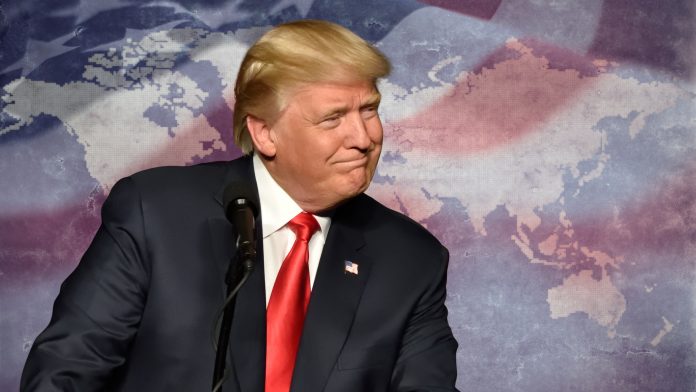
Global markets rallied as President Donald Trump signed a long-anticipated trade agreement with Japan, capping tariffs on key goods, including autos, at 15%. This rate is lower than earlier threats. The deal, along with similar agreements in Southeast Asia, helped drive investor optimism, lift global auto stocks, and ease fears of a trade-fueled recession. Analysts say the Japan deal could lay the groundwork for a potential resolution with Europe and China, offering a stabilizing signal to industries most exposed to tariff risk.
Here’s why it matters:
Tariff uncertainty has had a ripple effect across the global automotive supply chain. U.S. dealers depend on a steady flow of imported vehicles and parts to maintain inventory and manage pricing. Trump’s latest agreements suggest a shift toward more predictable trade policy, which could reduce volatility in vehicle pricing and improve consumer confidence. In particular, the 15% tariff on Japanese imports, while still above early 2024 levels, is significantly lower than the punitive rates previously floated. This preserves profit margins for automakers and helps keep showroom pipelines intact. A breakthrough with Europe or China could further solidify gains for OEMs and franchise dealers alike.
Key takeaways:
- U.S.–Japan trade deal sets 15% auto tariff
The new agreement imposes a 15% tariff on Japanese imports, including vehicles. This is far below the harsher 25% or higher rates previously discussed. - Global auto stocks surged in response
Toyota shares jumped 16%, the most since 1987. European automakers like Porsche, Volkswagen, and Stellantis rose more than 6%. - Broader market confidence returns
Investors see the Japan deal as a sign that high-stakes trade talks are producing results. Risk appetite increased, U.S. bond yields rose, and the dollar stabilized after months of volatility. - European and Chinese trade talks next in line
The U.S. is now in intensive negotiations with the European Union and preparing for another round of talks with China in Stockholm. A deal with Europe is expected by Aug. 1. - Tariffs still elevated, but fears are easing
Although tariff levels remain above early-year benchmarks, they are well below worst-case scenarios, making them more manageable for automakers and suppliers in the near term.