TSLA376.020-2.65%
GM78.9500.99%
F12.390-0.105%
RIVN16.140-0.58%
CYD40.770-1.06%
HMC24.200-0.17%
TM192.9800.81%
CVNA406.420-0.31%
PAG161.5501.41%
LAD277.2400.38001%
AN200.970-3.03%
GPI344.7005.18%
ABG200.5600.53%
SAH72.3900.81%
TSLA376.020-2.65%
GM78.9500.99%
F12.390-0.105%
RIVN16.140-0.58%
CYD40.770-1.06%
HMC24.200-0.17%
TM192.9800.81%
CVNA406.420-0.31%
PAG161.5501.41%
LAD277.2400.38001%
AN200.970-3.03%
GPI344.7005.18%
ABG200.5600.53%
SAH72.3900.81%
TSLA376.020-2.65%
GM78.9500.99%
F12.390-0.105%
RIVN16.140-0.58%
CYD40.770-1.06%
HMC24.200-0.17%
TM192.9800.81%
CVNA406.420-0.31%
PAG161.5501.41%
LAD277.2400.38001%
AN200.970-3.03%
GPI344.7005.18%
ABG200.5600.53%
SAH72.3900.81%

China pledges retaliation following Trump’s surprise tariff increase

A full-scale trade war between the world's two largest economies could cause significant strain on the automotive industry.
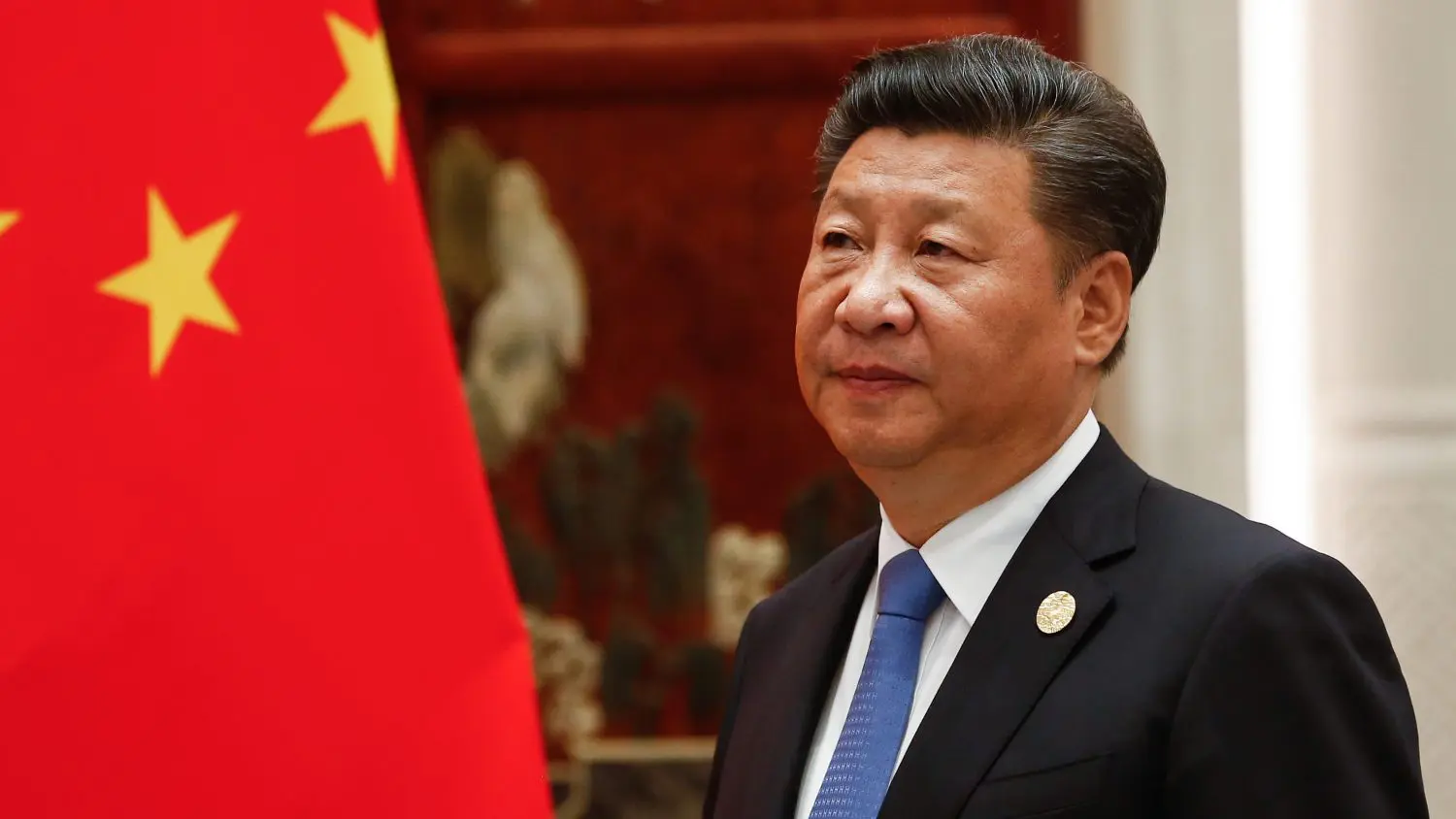
The Chinese government announced that it would retaliate against President Trump's sudden increase in sweeping tariffs.

The trade war is rapidly escalating. This morning, Chinese officials warned that they wouldn’t hold back and pledged to retaliate after President Donald Trump unveiled his plan to double tariffs on China, increasing the levies from 10% to 20%. As tensions between the two largest economies in the world intensify, both sides face significant economic consequences, but one sector particularly at risk is the automotive industry.

China plays an integral role in the United States automotive industry, supplying critical automotive parts such as wheels, brake components, electronics, and chips. In addition to these parts, China provides essential raw materials like aluminum, steel, and rare earth metals. Given that the U.S. automotive industry relies heavily on these imports, any disruption in this supply chain could cause serious ramifications for car manufacturers.

Sign up for CBT News’ daily newsletter and get the latest industry stories delivered straight to your inbox.

New vehicle affordability has already been a significant pain point in the United States. With the imposition of tariffs on Chinese-made parts and materials, automakers may find it necessary to pass on the increased costs to consumers, driving up the prices of new cars. The impact will inevitably strain car buyers, who are already dealing with rising costs in other areas such as housing and healthcare.

The exact details of China’s retaliatory measures to Trump’s latest tariffs remain unclear. However, the Chinese government has previously imposed retaliatory tariffs on U.S.-made vehicles and auto parts. Any new retaliatory measures could further complicate the global supply chain, increasing costs and reducing competition.

For the automotive industry, the trade war presents a difficult challenge, as manufacturers must navigate rising costs, the possibility of fewer choices, and tighter financial conditions. While the long-term impact remains uncertain, the immediate future points toward higher vehicle prices and a strained market, with both manufacturers and consumers bearing the brunt of the economic fallout.

Read More
More from Articles
Toyota's supply chain strain intensifies as Iran conflict disrupts materials flow

Toyota’s supply chain strain intensifies as Iran conflict disrupts materials flow

- April 29, 2026
On the Dash: Supply disruptions tied to Iran tensions are reducing visibility and increasing risk across Japan’s auto supply chain Major Toyota suppliers are issuing cautious forecasts and factoring in...
The government wants to track every mile you drive, and call it 'fair'

The government wants to track every mile you drive, and call it ‘fair’

- April 29, 2026
The next big fight over your car isn’t about gas prices, emissions, or even electric vehicles. It’s about something much bigger, who controls the road, and who controls you while...
How an AI sales agent drove 13% conversion for a major EV brand

How an AI sales agent drove 13% conversion for a major EV brand

- April 29, 2026
Every automotive website has the same problem. Thousands of visitors browse, and fewer than 3% ever take action. For EV brands, the problem is worse. Buyers carry anxieties that a...
Toma, AI fixes the gaps that are costing you service customers

AI fixes the gaps that are costing you service customers

- April 28, 2026
There are multiple areas where service breaks down, but most of it traces back to communication, specifically on the phone and over text, where customers are actually deciding whether to...
CBT News
Privacy Overview

This website uses cookies so that we can provide you with the best user experience possible. Cookie information is stored in your browser and performs functions such as recognising you when you return to our website and helping our team to understand which sections of the website you find most interesting and useful.