On the Dash:
- California launched a $55M program to expand public and business EV fast-charging infrastructure statewide.
- Sites can receive up to $100,000 per charger, with priority for tribal, disadvantaged, and low-income communities.
- EV charging access is seen as a factor influencing adoption, with the state leading the U.S. in zero-emission vehicle registrations.
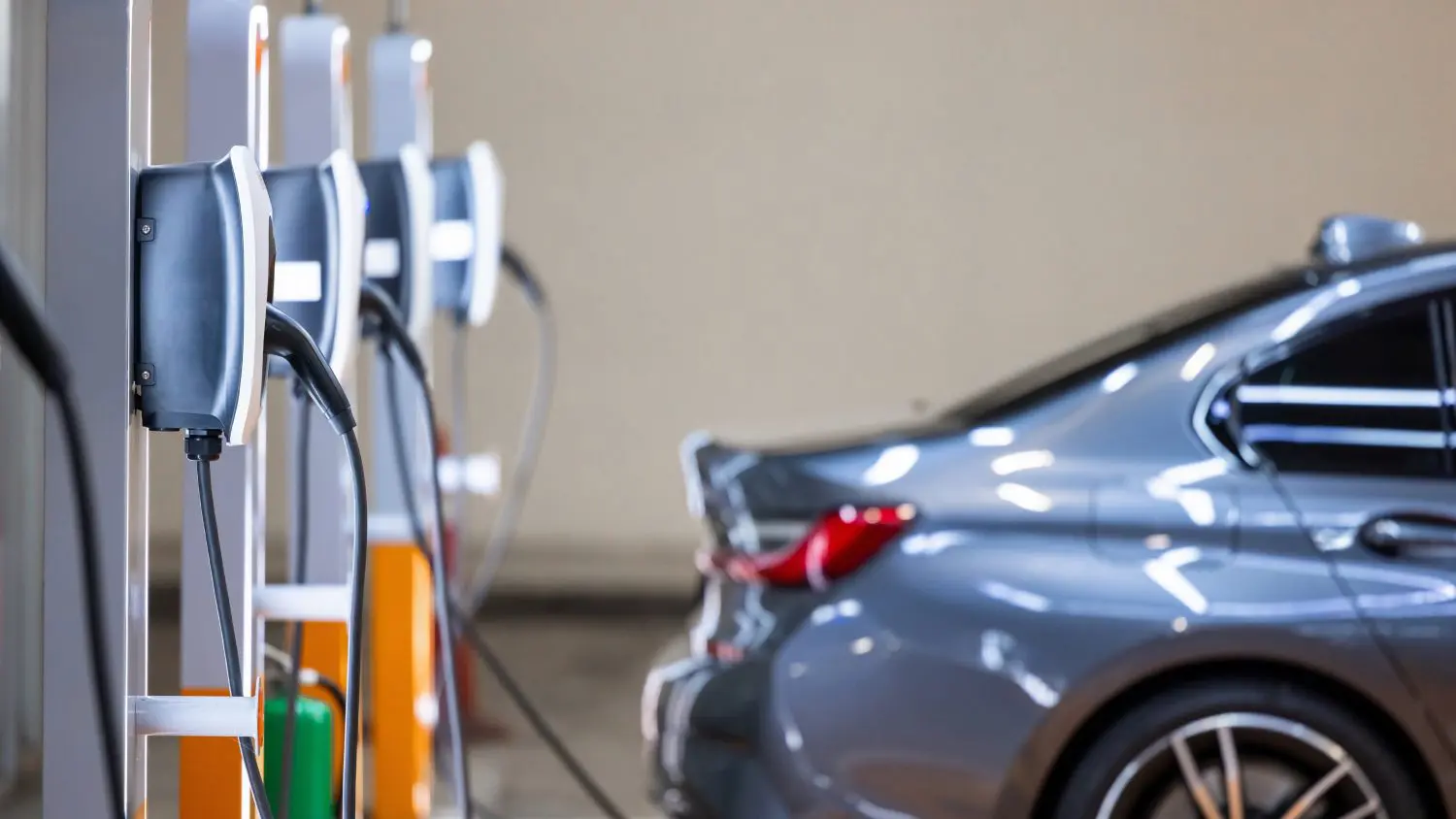
California has launched a $55 million incentive program to expand the construction of fast chargers for electric vehicles at public and business locations across the state. The Fast Charge California Project, administered by the Center for Sustainable Energy, is part of the California Electric Vehicle Infrastructure Project (CALeVIP), the largest EV charging incentive program in the U.S.
The program targets locations such as convenience stores, gas stations, shopping centers, and parking lots. Participating sites can receive up to $100,000 in incentives per charging port, depending on output, with priority given to tribal areas and disadvantaged or low-income communities. The initiative aims to address concerns from drivers about access to convenient charging, a common factor influencing EV adoption.
Funding comes from California’s Clean Transportation Program, created in 2016 and extended in 2024, supported by the state’s smog abatement fee. Additional funding is provided by the Greenhouse Gas Reduction Fund, which receives revenue from the state’s cap-and-trade program that requires large emitters to purchase carbon permits. Policymakers have earmarked more than $10 billion to support zero-emission vehicle adoption and associated infrastructure.
Since 2017, CALeVIP has helped develop nearly 10,000 EV chargers across California. Governor Gavin Newsom issued an executive order in 2020 setting a target to phase out the sale of new gasoline-powered cars, SUVs, and light trucks by 2035.
Separately, federal actions have challenged California’s long-term vehicle regulations. In June, President Donald Trump signed three congressional resolutions under the Congressional Review Act aimed at overturning California’s authority to enforce its plan to phase out new gas-powered vehicles by 2035. The resolutions revoke waivers previously granted by the Environmental Protection Agency and are intended to set national automotive policy standards.