With all of the recent news about import tariffs and renegotiation of trade agreements, there is uncertainty about how all of this will affect the auto industry. Of all the talks, NAFTA seems to be the most important conversation surrounding trade and the U.S. auto industry.
But what is NAFTA?
The North American Free Trade Agreement (NAFTA) entered into force on January 1, 1994 as a means of removing trade restrictions between Canada, the United States and Mexico.
It is the world’s largest free trade agreement with a combined gross domestic product of more than $20 trillion. NAFTA is also the first time that two developed nations (Canada and U.S.) have signed a trade agreement with an emerging market country (Mexico).
NAFTA progressively eliminated all duties, tariffs and other quantitative restrictions (with a few agricultural exceptions) between nations and opened the doors for production operations to freely relocate across borders in North America.
Much of vehicle manufacturing and its supply chain has been relocated across borders as a result of NAFTA. Some claim that U.S. manufacturing jobs have suffered. Others claim it has been a welcome luxury in terms of production cost reduction and import/export sales distribution.
While NAFTA has had a significant impact on the North American economy, it might all be about to change.
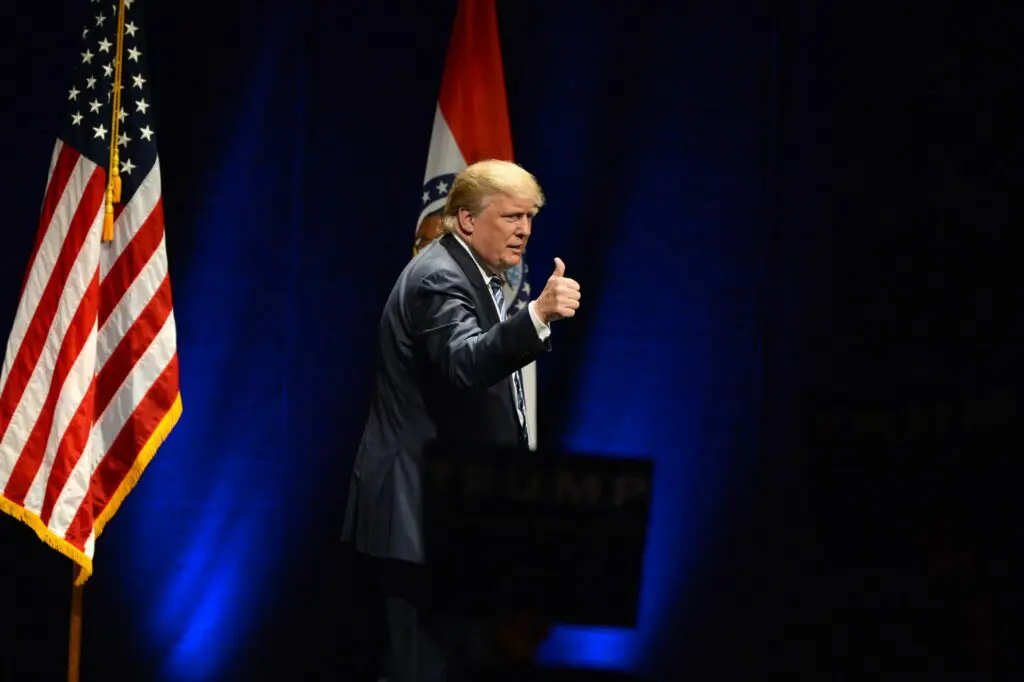
With the election of Donald Trump as president of the United States in 2016, there have come many promises (and even threats) that he will bring manufacturing jobs back to the U.S. Trump has taken aim at tariffs for imported materials, such as steel, and has demanded a reevaluation of current trade agreements including NAFTA.
While many argue that there is merit to a fresh look at American trade, the U.S. auto industry seems to be stuck in the crossfire.
Currently, NAFTA requires that 62.5 percent of a vehicle be made in North America in order to qualify for tariff-free trade. This rule sparked the relocation of a large portion of U.S. auto manufacturing to relocate to Mexico.
Trump administration officials propose raising this requirement to 85 percent as well as requiring that 50 percent of vehicles be produced in the United States, because it is the region’s largest auto market. Trump is also demanding that Mexican production be shifted to regions known for paying higher wages.
While this may bring some jobs back to the U.S., experts in the U.S. auto industry argue that this would hurt U.S. competitiveness in the global market by removing access to cheap labor in Mexico. German auto makers and Japanese auto makers have the luxury of cheap labor in Eastern Europe and China at their disposal. The U.S. would be at a distinct disadvantage globally.
The future of the North American auto industry in a renewed NAFTA is one of the toughest issues facing U.S. Trade Representative Robert Lighthizer, Canadian Foreign Minister Chrystia Freeland and Mexican Economy Minister Ildefonso Guajardo. The fate of the auto industry seems to be one of the most concerning points of discussion.
No agreements have been reached to date, but negotiation over the future of NAFTA continues to play out. It will be interesting to see what the future holds for NAFTA and the auto industry. Stay tuned….