
On the Dash:
- Mercedes expects a tougher 2026 market, driven by interest rates and economic uncertainty impacting consumer demand.
- The automaker is investing $4 billion in U.S. production to support a 28% sales increase target by 2030.
- Tariffs are pressuring margins, but limited price increases of 1.3% suggest continued pricing discipline.
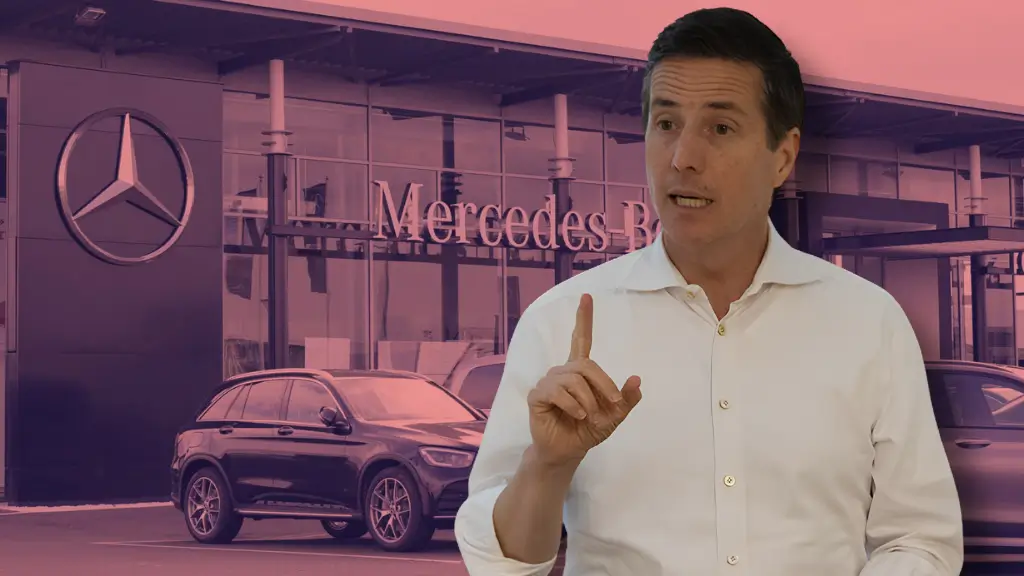
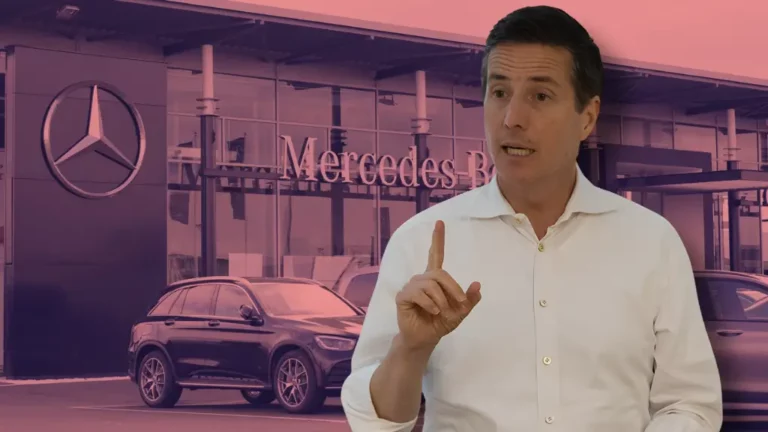
Mercedes-Benz USA CEO Adam Chamberlain said Tuesday that 2026 is shaping up to be more challenging than expected, citing early-year market conditions and broader economic uncertainty.
Chamberlain told CNBC during a visit to the manufacturing plant in Vance, Alabama, that market conditions in the early months of the year have proven to be more challenging than expected. He also noted that various distractions, including geopolitical issues, are contributing to this tougher environment.
Consumers are facing elevated auto loan interest rates and concerns about the strength of the economy, both of which could slow demand for new vehicles. Despite gasoline prices topping $4 a gallon in the U.S., Chamberlain said the company has not yet seen buyers delay purchases due to fuel costs.
“I think in the short term, it’s manageable,” he said. “But I think over [a] 90, 100 or 120-day period at closer to $5 [per gallon], it starts to become a bigger distraction.”
Even with these headwinds, Mercedes-Benz is continuing to invest in its U.S. operations. The automaker is committing $4 billion to its Alabama plant through 2030 as part of a plan to increase production and support a 28% rise in U.S. car sales.
Mercedes reported U.S. retail sales of 303,200 vehicles last year and is targeting 400,000 annual U.S. sales by 2030.
However, the company remains exposed to higher costs tied to tariffs on imported vehicles, as most of the cars it sells in the U.S. are built overseas. Chamberlain said those tariffs have impacted margins but have not slowed sales.
To support its growth strategy, Mercedes on Tuesday unveiled updated versions of its GLS and GLE models, including a new GLE 53 Hybrid that will be produced in Alabama.