Washington does not often admit when a policy has failed. But this week, the White House took a rare step back from more than a decade of regulations that pushed car prices to historic highs, limited consumer choice, and attempted to reshape an industry faster than technology, infrastructure, or American families could keep up. With the unveiling of the “Freedom Means Affordable Cars” proposal, President Donald Trump and Transportation Secretary Sean Duffy signaled a dramatic shift in national auto policy — one designed to make buying and owning a car possible again for millions of Americans who feel priced out of the market.
The timing could not be more important. New vehicle prices crossed the $50,000 threshold this fall, while the average monthly payment climbed toward $750. Families are holding onto their cars longer than ever, stretching the age of the American fleet to records never seen before. While Washington insisted the public needed electric vehicles, consumers responded with something entirely different: declining EV demand, high rejection rates, and a clear preference for affordable gas and hybrid options. This conflict has been building for years, and the announcement on December 3rd marked the most direct challenge yet to the regulatory regime that created it.
Trump’s proposal resets the National Highway Traffic Safety Administration’s fuel economy requirements, reversing the Biden-era targets that aimed to push the nationwide fleet toward the equivalent of roughly 50 miles per gallon. Under the new plan, the Corporate Average Fuel Economy (CAFE) standards return to a more realistic baseline of 34.5 mpg — a level last seen in the late 2000s — and future increases are scaled back to levels Congress originally intended. The administration projects up to $109 billion in national savings over five years and about $1,000 off the average new car. Whether those numbers ultimately hold, the shift represents a broader philosophical change: ending what the White House describes as a backdoor electric vehicle mandate.
For many years, car companies have privately warned that the previous rules forced them to build vehicles the public didn’t want simply to avoid billions in regulatory penalties. The Biden–Buttigieg standards were so aggressive that they triggered an estimated $14 billion in compliance fines between 2027 and 2032, and manufacturers repeatedly stated those costs would fall directly on consumers in the form of higher sticker prices. When the administration aligned federal rules with California’s even tighter emission standards, they effectively created incentives for electric vehicle production — even as demand stalled. CAFE was never meant to serve as a lever to transform the marketplace, yet that is exactly how it was being used.
The consequences were undeniable. Auto manufacturing in the United States fell more than 50 percent during the Biden years. Billions of dollars were spent on EV charging projects that delivered almost nothing tangible; $5 trillion was allocated, but only nine stations were actually built nationwide at a cost of $8 billion. States like California continued to face rolling blackouts, even with EVs representing just 2.3 percent of vehicles on the road. Experts repeatedly warned that if EVs reached even 10 percent of the national fleet, America would see daily power shortages under current infrastructure conditions. Meanwhile, buyers who did not want an EV — and polls consistently show that is the majority — were left with fewer options and higher prices.
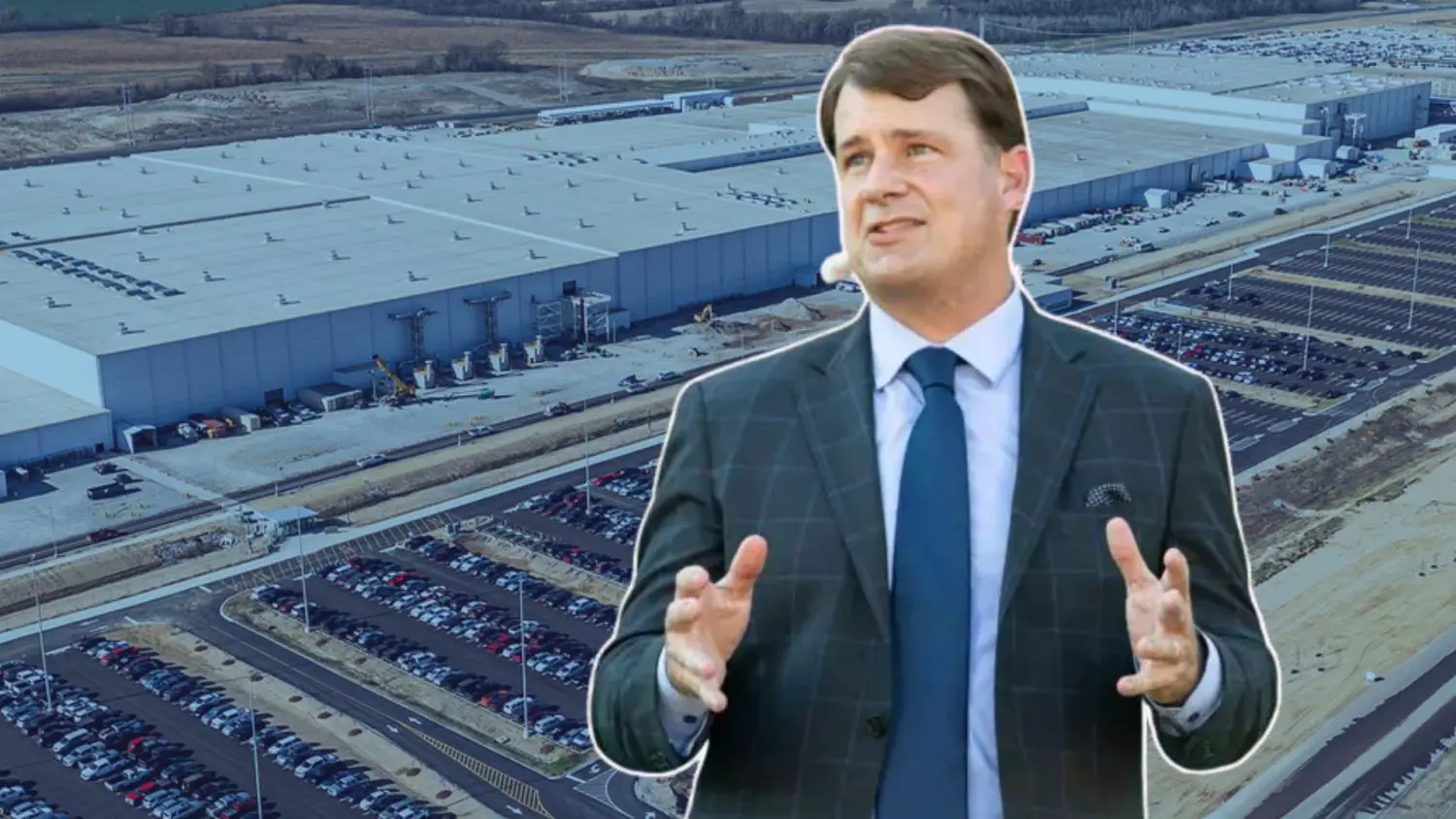
The Trump reset seeks to reverse much of that. The announcement highlighted a wave of new investment from American automakers responding to the regulatory shift. Stellantis committed $13 billion to expand manufacturing in the United States, including increases to Jeep, Dodge, Ram, and Chrysler production. Ford pledged $5 billion for U.S. facilities and noted that 80 percent of its vehicles — including all trucks and Mustangs — are already made in America. General Motors announced $4 billion to bring production back from Mexico while retooling plants for a broader range of consumer choices. The United Auto Workers, normally cautious about Republican-led reforms, offered support because the changes directly increase U.S.-based jobs and domestic manufacturing demand.
This proposal also includes a significant tax component with strong backing from the National Auto Dealers Association. The new deduction allows Americans to write off interest on American-built vehicles — a meaningful change that lowers the effective cost of financing and encourages buying cars made here at home. At a time when many families are locked out of the new car market entirely, this financial relief is a practical step toward restoring affordability.
One of the most overlooked aspects of the announcement is the Congressional Review Act action signed earlier this year, which formally eliminated California’s special emissions waivers. The three resolutions passed both chambers of Congress and were signed in June 2025, tearing down the regulatory structure that allowed California to dictate national vehicle policy. This ended the EV mandate embedded in federal regulations and paved the way for the administration’s new proposal.
Still, not everyone sees the rollback as enough. Many industry analysts argue that as long as CAFE exists—whether at 54.5 mpg or 34.5 mpg—these rules remain politically fragile. A future administration could reverse course with a single regulatory action. Some experts believe that if the goal is genuine reform, the government should consider eliminating CAFE entirely rather than simply lowering its targets. They argue that the government should regulate emissions directly through the Environmental Protection Agency, as it already does, and allow the market to determine the sales mix of gas, hybrid, and electric cars. This perspective is gaining traction among free-market advocates who note that CAFE no longer reflects technological realities or consumer demand and stands today as one of the most easily manipulated regulatory levers in Washington.
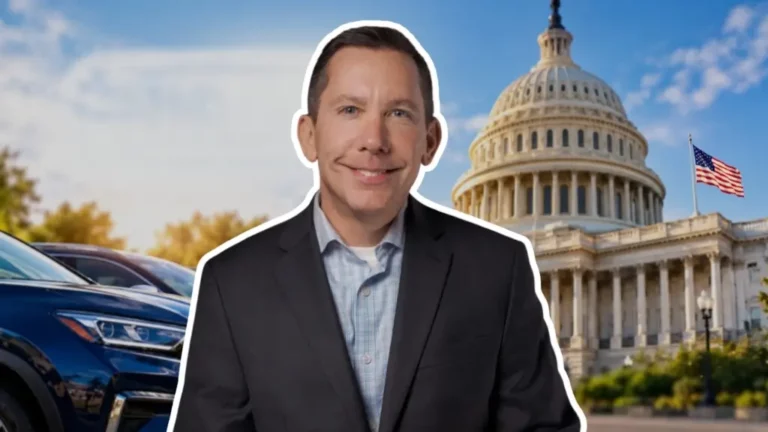
Even Senator Bernie Moreno of Ohio, a Republican newcomer with deep knowledge of the auto industry, spoke frankly during a recent conference. He called America’s forced pivot toward EVs “irrational policy” and described it as playing directly into China’s strategic advantage. China controls roughly 80 percent of the world’s EV battery minerals and operates the majority of relevant mines. In contrast, the United States holds the largest proven oil reserves on the planet. If China pushed the world into EVs to gain leverage, Moreno argued, then America should have leaned into its own strengths rather than adopting policies that weakened its manufacturing base. The logic is blunt, but the underlying economic reality is difficult to dispute.
The sales data tells its own story. Electric vehicles accounted for only about 6 percent of new vehicle sales in November 2025, and consumer surveys show rejection rates near 70 percent for reasons that have not changed in years: higher cost, inadequate charging, range limitations, higher insurance costs and cold-weather performance issues. EVs still make up just 2.3 percent of vehicles on U.S. roads. The demand Washington assumed would materialize never arrived.
The Trump administration’s new policy reflects these realities. It restores balance to an industry that has been forced into an aggressive transformation without the technological readiness or consumer support necessary to sustain it. It recognizes that Americans deserve affordable cars — not theoretical savings dependent on regulations they never voted for. And most importantly, it acknowledges that innovation works best when consumers, not regulators, decide what the future should look like.
Automakers will still build EVs. They will still develop hybrids. They will still push new technologies, including synthetic fuels, advanced engines, and cleaner gas-powered vehicles. But the market will decide the pace, and consumers will decide the winners. For the first time in years, drivers may finally get the variety, affordability, and freedom of choice that Washington removed.
Fuel economy rules will continue to spark debate. Some argue that loosening standards will increase long-term gasoline costs, while others insist that affordability today matters more for families trying to replace aging vehicles with safer, more reliable models. What cannot be ignored is that CAFE and greenhouse gas standards have become parallel systems with overlapping goals and conflicting incentives. Rolling back one while maintaining the other will remain a challenge. The administration says this is the first step — not the last — in restoring rational, achievable auto policy.
For now, the “Freedom Means Affordable Cars” plan marks the most significant shift in U.S. automotive regulation in more than a decade. It opens the door to lower prices, a wider range of choices, and manufacturing investment that strengthens American jobs rather than sending them offshore. Whether future administrations continue this path or reverse it depends on the political winds, and history suggests the battle is far from over.
But for millions of Americans priced out of the market and frustrated with being pushed toward products they never asked for, the direction is finally changing. Washington is listening. Manufacturers are responding. And consumers are once again part of the conversation about America’s automotive future.
That is a long-overdue victory on its own.
Check out my full commentary on this story: http://youtu.be/H9c8fQBmxtU
Looking for more automotive news? https://www.CarCoachReports.com
Listen to The Drive Car Show – https://www.youtube.com/@thedrivecarshow