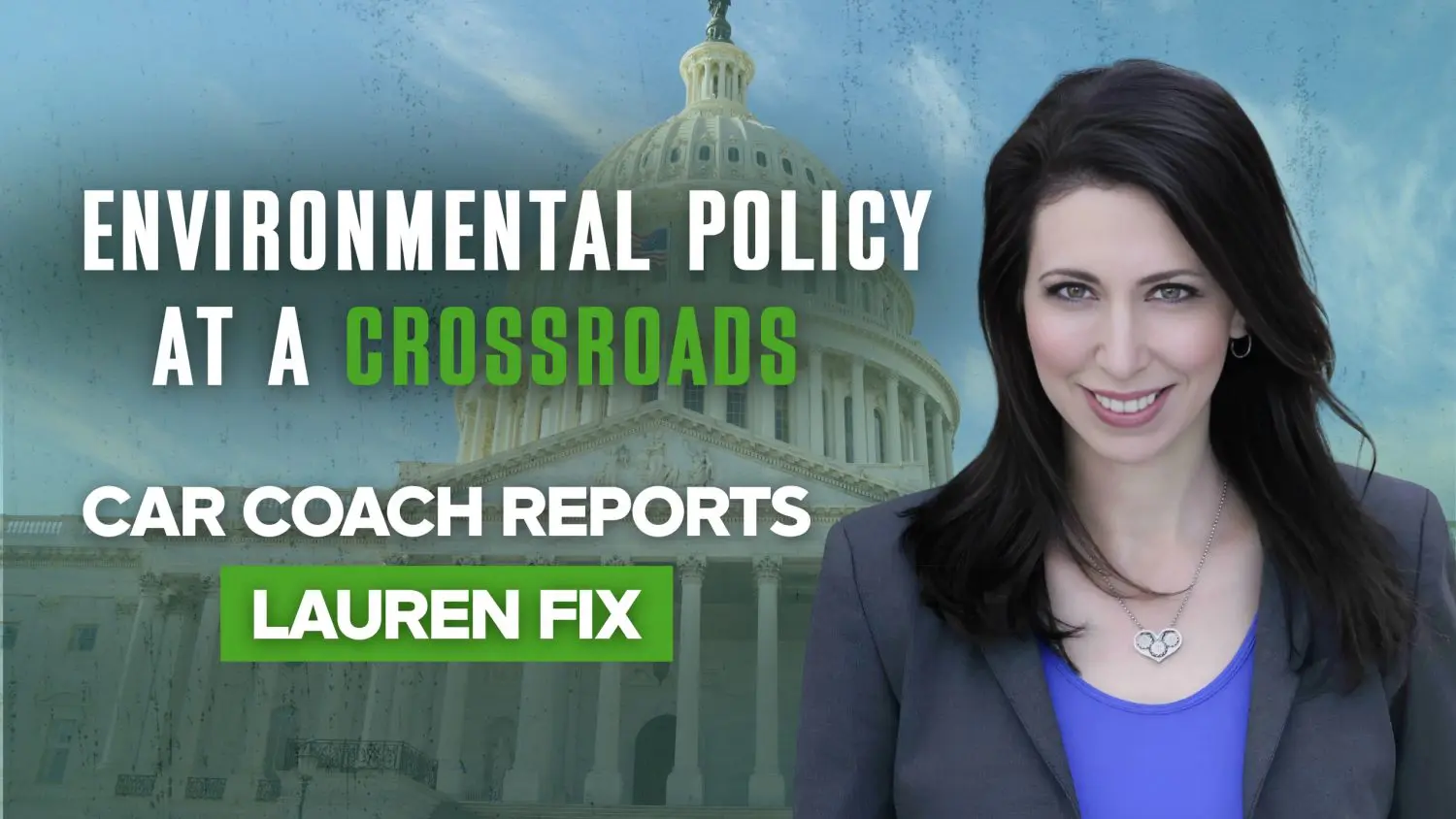
The automotive world is bracing for a decision that could rewrite the rules of the road—literally and figuratively. The U.S. Environmental Protection Agency (EPA) has proposed rescinding the 2009 Greenhouse Gas (GHG) Endangerment Finding, a policy that for more than a decade has given regulators federal and state-level authority to impose sweeping vehicle emissions mandates. If finalized, this move could restore a level playing field for innovation, uphold consumer choice, and revitalize industries that have been shackled by narrow environmental policy objectives.
For the automotive aftermarket, represented by the Specialty Equipment Market Association (SEMA), this decision is about more than regulatory rollback—it’s about empowering engineers, manufacturers, and entrepreneurs to compete on ideas, not on government-mandated technology paths. SEMA, an organization representing more than 7,000 members and a $337 billion industry, sees this as a chance to return the Clean Air Act to its original scope, protect jobs, and unleash market forces to drive progress.
Why this matters now
Since the 2009 Endangerment Finding, GHG regulations have tightly intertwined climate policy with vehicle design, pushing automakers aggressively toward electric vehicle (EV) production—regardless of consumer demand or infrastructure readiness. This approach has fragmented the automotive market, caused affordability concerns, and arguably sidelined other promising propulsion technologies such as hydrogen, advanced hybrids, and synthetic fuels. SEMA’s position is clear: technology-neutral policies yield better, more diverse innovations and avoid imposing limits that stifle creative engineering.
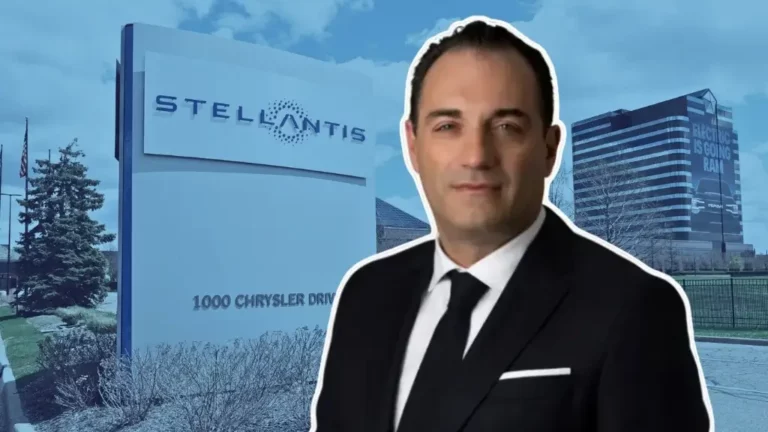
Mike Spagnola, SEMA’s President and CEO, captures the urgency by noting that “the specialty automotive aftermarket is a uniquely American industry built on ingenious innovation, vibrant consumer enthusiasm, and unmatched entrepreneurial spirit.” He sees the EPA’s reconsideration of the Endangerment Finding as an opportunity to remove unnecessary barriers and let the marketplace lead—rather than relying on one-size-fits-all mandates.
SEMA warns of the hazards of a patchwork regulatory landscape where California or other states set drastically different rules than federal standards, creating instability for businesses and confusion for consumers. Rescinding the Finding would return policymaking power to Congress—the branch intended to weigh competing priorities and reflect the will of the people.
Balancing innovation and consumer choice
The EPA’s proposed move is not an anti-environment position—it’s about shifting the strategy from top-down control to open competition among propulsion technologies. SEMA’s membership includes companies working on EVs, hybrids, hydrogen vehicles, and more.
The association’s argument centers on the belief that all technologies should compete without government favoring one pathway over another. That opens the door for breakthroughs in lowering emissions from internal combustion engines through efficiencies, synthetic fuels, and advanced filtration. This benefits consumers who may want cleaner cars without sacrificing performance, affordability, or utility.
Competing views—Tesla’s pushback
Not everyone agrees with the EPA’s proposal. Tesla, the electric vehicle industry’s flagship brand, has urged the administration to keep the 2009 Finding intact, calling it “lawful” and “based on a robust factual and scientific record.” Tesla argues that rescinding the Finding would disrupt established emissions measurement, control, and reporting frameworks. They say the change could retroactively excuse manufacturers from compliance responsibilities, undermining environmental progress.
Tesla also contends that repealing vehicle emissions standards would remove one of the key regulatory drivers that has accelerated EV adoption. Their comments reflect concerns that without the Finding, the EPA may step away from enforcing rules that have been instrumental in bringing lower-emission vehicles to market.
The divide is stark: one side sees government policy as the cornerstone of transformative environmental action, while the other views market-driven innovation as the more sustainable engine of technological growth.
Economic ripple effects
The stakes are enormous. SEMA estimates that one-third of its members rely heavily on internal combustion technology—a subset that underpins a multi-billion-dollar aftermarket economy and hundreds of thousands of jobs. Removing mandates that inherently disadvantage certain propulsion methods could stabilize the market, restore consumer confidence, and reinvigorate small businesses.
Meanwhile, Energy Secretary Chris Wright announced plans to return more than $13 billion in unclaimed clean energy funds from the Inflation Reduction Act. These funds, originally intended to support wind, solar, batteries, and EV infrastructure, will be rescinded under the “One Big Beautiful Bill Act” signed by President Trump earlier this year—a legislative move that sharply reduced renewable energy incentives. This suggests the administration is aligning its broader energy policy with the recalibration of vehicle emissions rules.
What’s really at stake
At its core, this debate centers on choice — choice for consumers, choice for innovators, and choice for an industry that thrives on diversity of ideas. Environmental stewardship remains critical, but the question now is whether the U.S. can achieve it without sacrificing market freedom. Advocates of rescinding the Endangerment Finding say yes: let the engineers push boundaries and deliver solutions people actually want to buy. Opponents warn that weakening GHG regulation could slow progress toward emissions reduction targets.
The EPA’s move signals a new era of environmental policy—one where power shifts back toward legislative decision-making and away from regulatory agencies. Whether this will unleash a wave of innovation or stall environmental gains will depend on how industry and consumers respond when restrictions loosen.
The comment period has closed, with more than 140,000 responses filed. Now the EPA must sift through sharply divided opinions before issuing a final decision. Whatever they decide, the ruling will be a defining moment for the future of America’s automotive landscape. If the Finding is rescinded, the aftermarket industry stands ready to prove that when Americans are free to innovate, the road ahead can be cleaner, faster, and more exciting—without anyone being forced into a one-size-fits-all ride.
Check out my full commentary on this story: http://youtu.be/pz-vG8vt4eI
Looking for more automotive news? https://www.CarCoachReports.com
Listen to The Drive Car Show – https://www.youtube.com/@thedrivecarshow