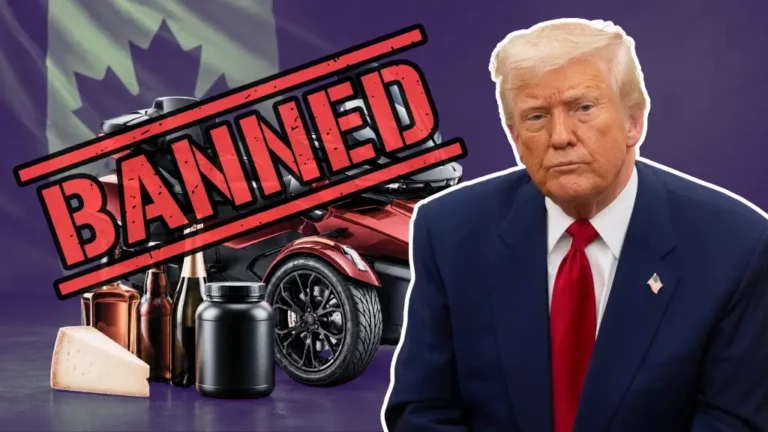
In recent weeks, the automotive industry has been in turmoil due to concerns over President Donald Trump’s 25% tariffs on automobiles, which have shaken the global market. In today’s special edition of CBT News, Senator Bernie Moreno joins us to clear up the confusion and set the record straight.
What’s Happening
Starting on April 2, the United States will enforce 25% auto tariffs. However, there are critical details that determine how and where these tariffs apply:
- Vehicles final assembled in the United States, with Canadian and Mexican parts that comply with the USMCA agreement, will not be subject to tariffs.
- Vehicles final assembled in the United States but containing critical components (such as engines, transmissions, and electronics) sourced from outside North America will be subject to a 25% tariff on those components.
- Vehicles final assembled in Canada or Mexico will be subject to a 25% tariff on the parts that are not of U.S. origin. If 50% of the vehicle consists of U.S. content, then the remaining 50% will be tariffed.
- Vehicles final assembled outside of the United States and containing no U.S. parts will be subject to a flat 25% tariff on the total vehicle value.
Why It’s Happening
The core issue is national security and industrial capacity. The ability to manufacture and assemble vehicles domestically is critical in times of war or crisis, allowing the country to rapidly shift production to military needs. This strategy mirrors how the U.S. won World War II—by leveraging a strong manufacturing base to produce wartime equipment quickly and at scale.
Additionally, these tariffs are designed to boost domestic investment. Sen. Moreno has spoken to multiple automaker CEOs, who have confirmed their commitment to increasing U.S. production. This shift will create thousands of jobs, strengthen the economy, and rebuild the American middle class.
To further support domestic auto production, Sen. Moreno is introducing the Transportation Freedom Act, which would establish a federal regulatory framework, preventing individual states like California and New York from imposing their own mandates or waivers.
Additionally, President Donald Trump is pushing for a tax deduction for interest paid on auto loans for U.S.-made vehicles, which would counteract potential price increases from the tariffs.
How Dealers Can Succeed
Sen. Moreno emphasizes that President Trump’s tariff policy is not a temporary measure or a negotiation tactic—it is a long-term plan to revitalize the U.S. auto industry. He urges dealers to recognize the opportunity these tariffs present.
- Every vehicle currently on the lot is tariff-free, making it highly valuable to customers. Dealers should use this to drive momentum and sales.
- Used vehicle sales are expected to remain strong, presenting another key opportunity.
- Service departments should engage more customers to repair and maintain vehicles before potential cost increases affect parts pricing.
Sen. Moreno emphasized that the retail automotive industry is known for its resilience. Dealers who adapt to the current changes will find success, as the challenges faced are temporary and can be turned into opportunities.
“If there’s one industry that knows how to be resilient, it’s the retail automotive industry. This is just a blip compared to what we’ve been through in the past. We always, always make lemonade out of lemons.” – Sen. Bernie Moreno