TSLA415.880-19.91%
GM82.680-0.56%
F16.635-0.805%
RIVN16.9500.65%
CYD57.7901.07%
HMC26.240-0.75%
TM182.920-7.03%
CVNA71.000-2%
PAG170.4403.07%
LAD293.5202.63%
AN189.0201.3%
GPI311.510-4.83%
ABG186.620-1.09%
SAH83.9601.34%
TSLA415.880-19.91%
GM82.680-0.56%
F16.635-0.805%
RIVN16.9500.65%
CYD57.7901.07%
HMC26.240-0.75%
TM182.920-7.03%
CVNA71.000-2%
PAG170.4403.07%
LAD293.5202.63%
AN189.0201.3%
GPI311.510-4.83%
ABG186.620-1.09%
SAH83.9601.34%
TSLA415.880-19.91%
GM82.680-0.56%
F16.635-0.805%
RIVN16.9500.65%
CYD57.7901.07%
HMC26.240-0.75%
TM182.920-7.03%
CVNA71.000-2%
PAG170.4403.07%
LAD293.5202.63%
AN189.0201.3%
GPI311.510-4.83%
ABG186.620-1.09%
SAH83.9601.34%

Automakers brace for impact as President Trump’s tariffs take effect

Trump's "America First" agenda aims to boost domestic manufacturing, but comes with a hefty cost.
Trump's tariffs on Mexico, Canada, and China could disrupt the auto industry, jeopardizing years of investments and triggering a trade war.

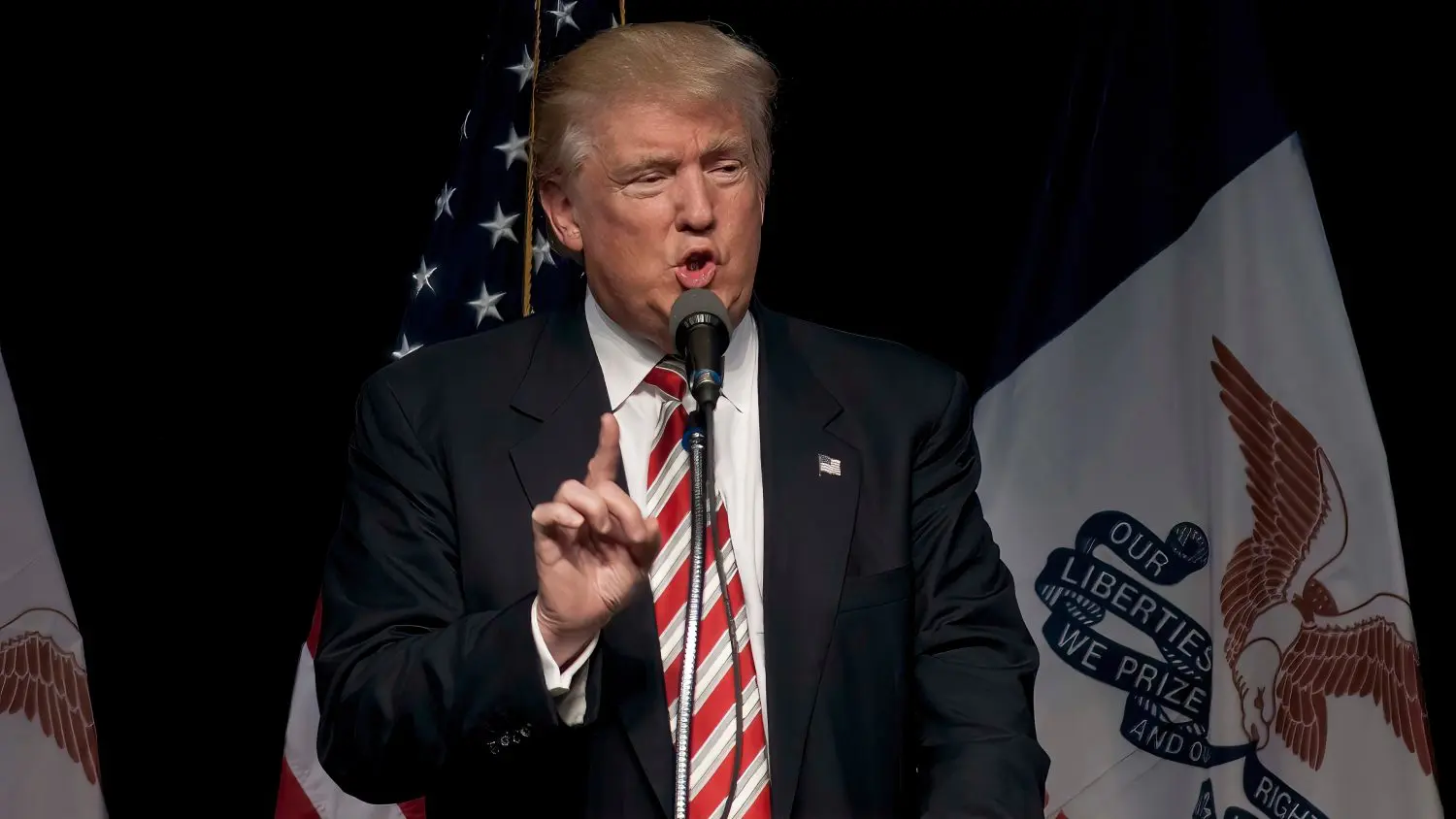
Starting tomorrow, March 4, President Donald Trump will enforce 25% tariffs on Mexico and Canada and a blanket 20% on China. These aggressive moves, part of his America First agenda, are designed to stimulate domestic manufacturing. However, his decision will have major repercussions for the automotive industry.

The automotive industry is a complex business, with innumerable moving parts that require careful coordination across different manufacturers, suppliers, and international borders. Automakers invest billions of dollars into research, development, and technology. It can take anywhere from three to six years to bring a new vehicle from concept to production. During this lengthy process, automakers face not only significant financial commitments but also the challenge of navigating shifting government policies that can drastically impact their plans.

Sign up for CBT News’ daily newsletter and get the latest industry stories delivered straight to your inbox.

The consequences can be devastating when federal policies flip, particularly in the middle of a multi-year development cycle. Years of effort and millions in investments can quickly go down the drain. Unexpected policy changes make it difficult to plan strategically and can force manufacturers to alter supply chains and processes, which are often unfeasible to change quickly at such a large scale.

The political instability in the United States further amplifies the pressure. The frequent flipping of control between Democrats and Republicans every four years creates uncertainty, making long-term planning difficult. This instability adds to the strain on the industry, as manufacturers are forced to react to shifting priorities and policies with each new administration.

While President Trump’s tariffs aim to protect American interests and boost domestic manufacturing, they come with a heavy price. Mexico, Canada, and China have already pledged retaliation. An all-out trade war between these four nations could wreak havoc on the auto industry, disrupting supply chains, raising costs, and possibly stalling production altogether.


Read More
More from Articles
Gas prices jump as Iran halts talks with U.S., threatens to close Strait of Hormuz. President Donald Trump says he can wait them out.

Gas prices jump as Iran halts talks with U.S., threatens to close Strait of Hormuz

- June 1, 2026
On the Dash: Iran suspended ceasefire talks with the U.S., citing ongoing Israeli military operations in Lebanon and Gaza. Oil prices jumped more than 7% Monday, pushing the national gas...
SBA will host its second 2026 Supplier Matchmaking Expo June 5 in Detroit, connecting small suppliers with major buyers.

SBA, General Motors to co-host Supplier Matchmaking Expo in Detroit [registrations open]

- June 1, 2026
DETROIT, Mich. — Today, the U.S. Small Business Administration (SBA) announced that its second 2026 Supplier Matchmaking Expo will take place on June 5, 2026, at the MotorCity Casino in Detroit, Michigan. The event,...
New U.S. trade proposal would raise vehicle content requirements, reshape North American supply chains

New U.S. trade proposal would raise vehicle content requirements, reshape North American supply chains

- June 1, 2026
On the Dash: Higher U.S. content requirements could increase sourcing and manufacturing costs across the automotive supply chain. Changes to USMCA rules may affect vehicle pricing, production strategies, and inventory...
UAW strike begins at major GM supplier after contract talks fail

UAW strike begins at major GM supplier after contract talks fail

- June 1, 2026
On the Dash: A strike at a key General Motors supplier could lead to future disruptions in parts and production if the work stoppage continues. Labor costs, wage demands, healthcare...
```html ```