TSLA411.1504.72%
GM84.0702.57%
F14.790-0.05%
RIVN16.680-0.08%
CYD51.8301.8%
HMC26.9700.53%
TM180.2205.27%
CVNA68.9004.8%
PAG180.070-0.89%
LAD308.520-4.86%
AN193.3901.86%
GPI325.7400.41%
ABG199.5500.02%
SAH83.710-0.9%
TSLA411.1504.72%
GM84.0702.57%
F14.790-0.05%
RIVN16.680-0.08%
CYD51.8301.8%
HMC26.9700.53%
TM180.2205.27%
CVNA68.9004.8%
PAG180.070-0.89%
LAD308.520-4.86%
AN193.3901.86%
GPI325.7400.41%
ABG199.5500.02%
SAH83.710-0.9%
TSLA411.1504.72%
GM84.0702.57%
F14.790-0.05%
RIVN16.680-0.08%
CYD51.8301.8%
HMC26.9700.53%
TM180.2205.27%
CVNA68.9004.8%
PAG180.070-0.89%
LAD308.520-4.86%
AN193.3901.86%
GPI325.7400.41%
ABG199.5500.02%
SAH83.710-0.9%

Toyota, Lexus issue recall for 40K vehicles amid seat belt manufacturing issues

Toyota estimates that less than 0.1% of the recalled vehicles have damaged seat belts.
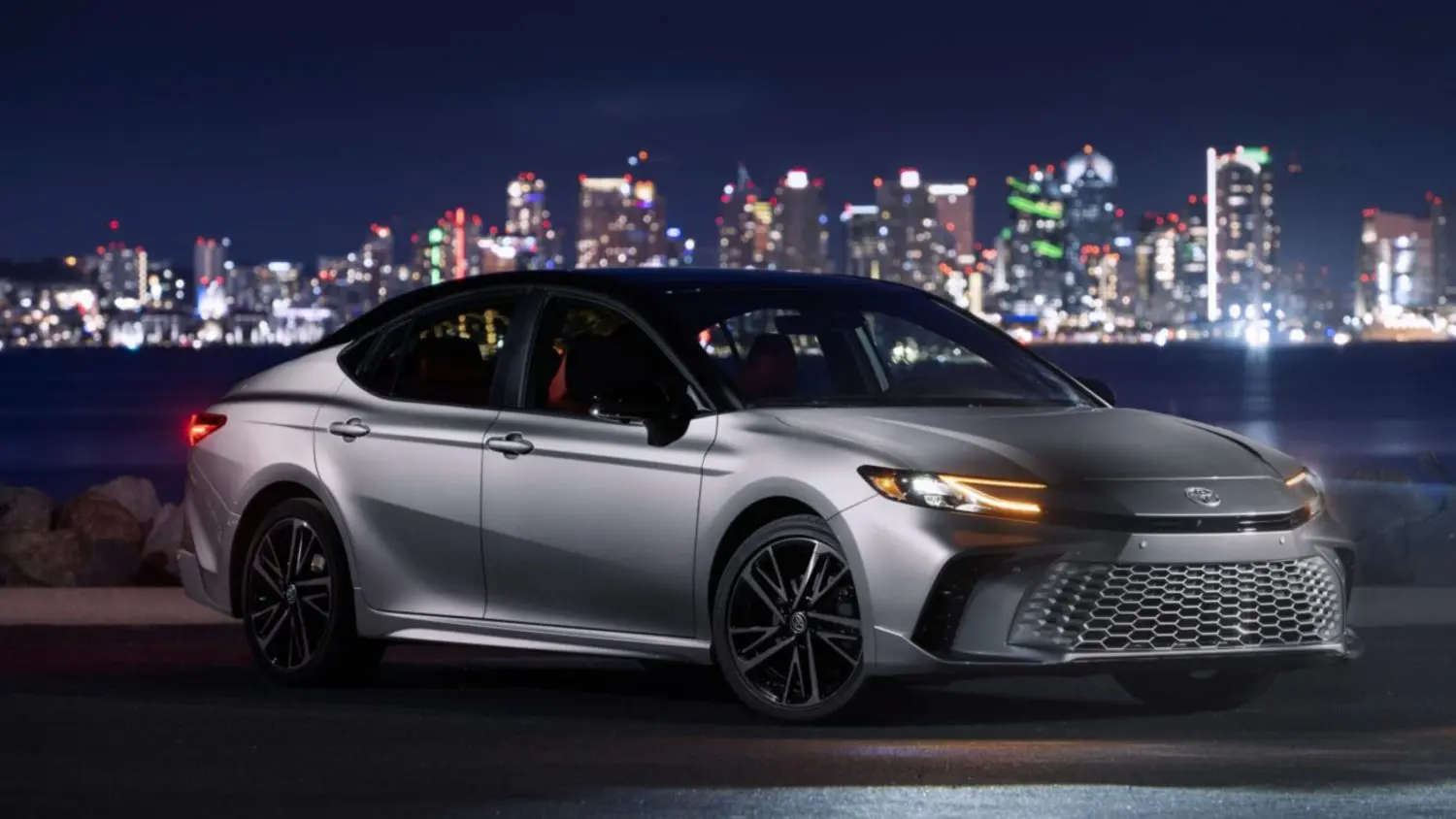
Toyota and Lexus issue a recall for over 40K vehicles due to an issue during the seat belt manufacturing process.

Photo By: Toyota

Toyota and Lexus are recalling 40,922 vehicles due to concerns over potentially damaged second-row center seat belt issues. The issue occurred during the manufacturing process and could cause the seatbelts to perform poorly, leading to an increased risk of injuries or fatalities during a crash.

The recalls cover the following impacted models:

  • 2025 Toyota Camry
  • 2025 Lexus NX250, NX350, and NX350h
  • 2024-2025 Lexus RX350, RX350h, and RX500h

Sign up for CBT News’ daily newsletter and get the latest industry stories delivered straight to your inbox.

Toyota estimates that less than 0.1% of the affected vehicles have damaged seat belts, although the recall impacts a significant number of cars. The Toyota Camry is the most affected vehicle, with 32,529 recalled, followed by 3,242 Lexus RX350 vehicles.

The problem was discovered during a routine inspection of parts where a “melt mark” was found on the seat belt webbing. This discovery led to a thorough investigation into the seat belt manufacturing process conducted by Joyson Safety Systems, the part supplier. According to the findings, incorrect tooling was used during the “hot-knife cutting process,” causing damage to the seat belt webbing.

Seat belts are one of the most essential safety features in any vehicle, and they are designed to reduce the likelihood of injury or death in the event of a crash. The damage compromises the integrity and strength of the second-row center seat belts, which ultimately fails to meet Federal Motor Vehicle Safety Standards (FMVSS).

Owners of impacted vehicles will receive notifications in late March or early April. Dealerships will then inspect the seat belts, and as required by federal law, any damaged parts will be replaced free of charge.
Read More
More from Articles
Ghost listings put auto retailers on notice as FTC flags pricing practices

Ghost listings put auto retailers on notice as FTC flags pricing practices

- June 15, 2026
On the Dash: The FTC is prioritizing advertised price accuracy, including fees, rebates and financing conditions. Inventory listings must reflect real-time availability across all digital platforms. Warning letters signal documented...
Press Releases, auto industry, Auto News, car business, retail automotive, automotive industry news

Hyundai Palisade, Santa Fe and IONIQ 5 named to Kelley Blue Book’s 2026 Best Family Cars list

- June 15, 2026
2026 Palisade, Santa Fe and IONIQ 5 recognized for delivering where it matters most to families, from safety to everyday usability Versatile lineup spans all-electric innovation and three-row SUV versatility...
Used-vehicle inventory grows 4% as demand softens

Used-vehicle inventory grows 4% as demand softens

- June 15, 2026
On the Dash: Used-vehicle inventory increased 4% month over month to 2.12 million units. Average listing prices climbed to $26,918, the highest level since mid-2023. Retail used-vehicle sales fell 3.9%...
Shawn Fain seeks reelection as UAW convention tackles major policy issues

Shawn Fain seeks reelection as UAW convention tackles major policy issues

- June 15, 2026
On the Dash: UAW delegates will debate higher strike pay, union dues, and investments in organizing. President Shawn Fain remains the frontrunner despite criticism from a federal monitor and internal...