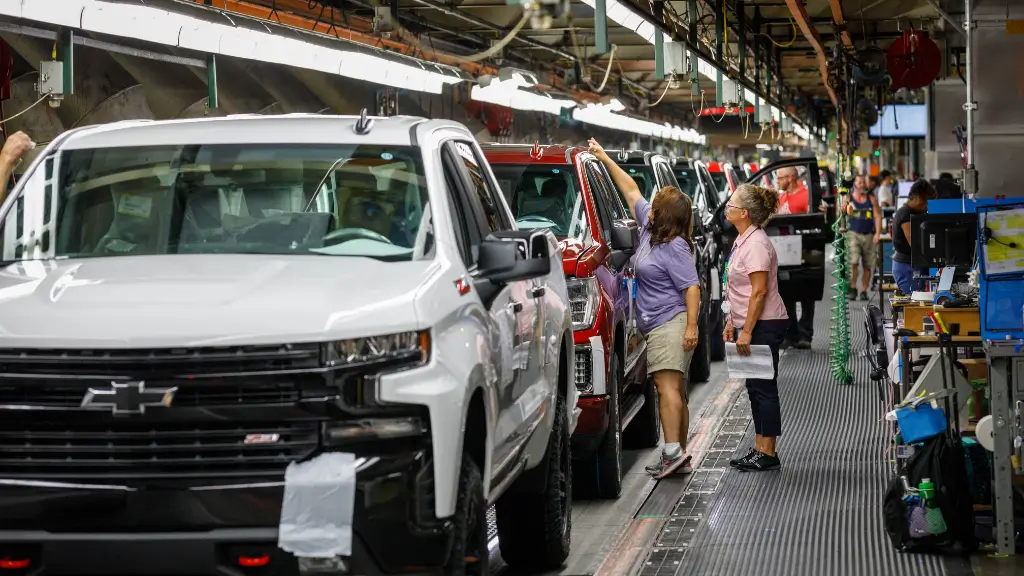
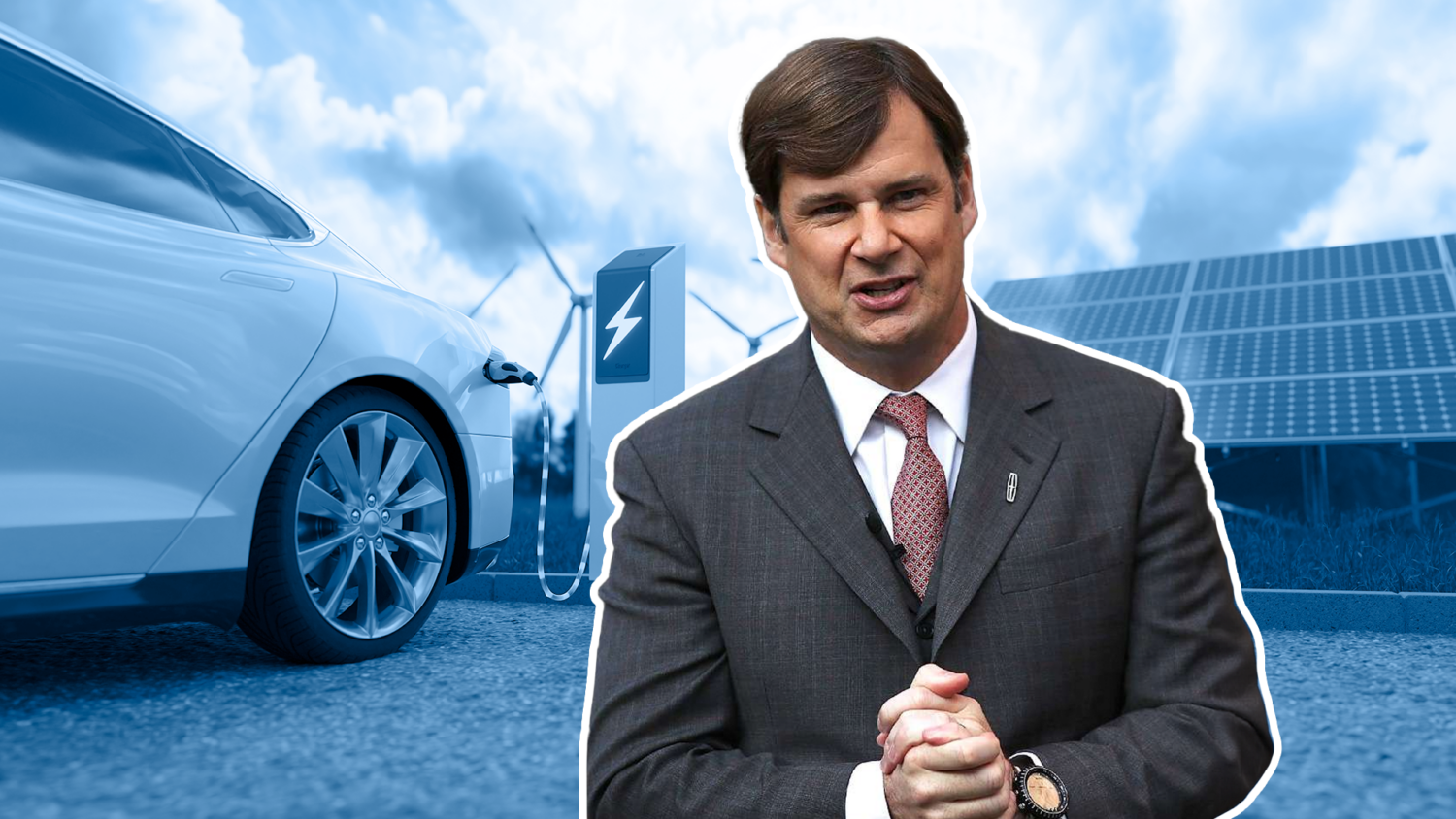
At the Aspen Ideas Festival, Ford CEO Jim Farley underscored the need for the U.S. auto industry to pivot towards smaller, more affordable electric vehicles (EVs), a significant departure from the large SUVs and trucks that Ford has become notable for building. Farley’s announcement marks a strategic shift aimed at producing a profitable $30,000 all-electric vehicle designed by a specialized team in California. “We have to start to get back in love with smaller vehicles. It’s super important for our society and for EV adoption,” Farley stated. “We are just in love with these monster vehicles, and I love them too, but it’s a major issue with weight.”
Focus on Smaller EVs
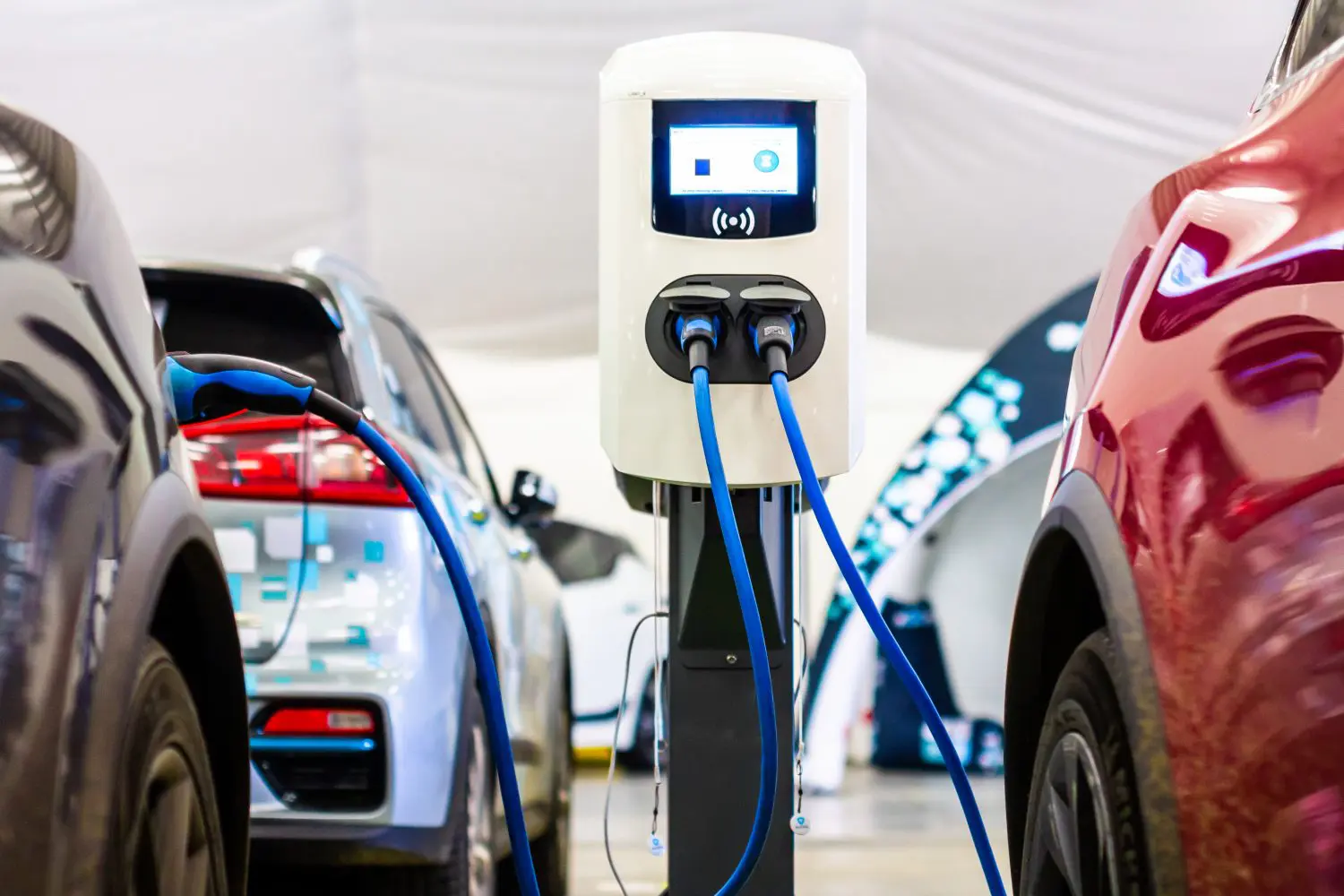
Farley emphasized that the next generation of Ford’s EVs will not include the oversized trucks and SUVs for which the brand is known. Instead, the focus will be on more compact, cost-effective models. This move is driven by the high costs associated with producing large EVs, particularly the expensive battery packs required to achieve the extensive ranges that consumers demand.
“You have to make a radical change as an [automaker] to get to a profitable EV. The first thing we have to do is really put all of our capital toward smaller, more affordable EVs,” Farley explained. “These huge, enormous EVs are never going to make money: the battery is $50,000, even with low-nickel, LFP chemistry. They will never be affordable.”
Introduction of an Affordable Electric Vehicle
Ford expects to introduce a $30,000 all-electric vehicle within the next two and a half years. This vehicle aims to break the price barrier that has made EVs an unobtainable luxury for many consumers in the United States. Farley mentioned that this new model would compete with offerings from China’s BYD and Tesla’s upcoming entry-level electric car.
Economic and Political Stage
The Biden administration recently announced a 100% tariff on Chinese-made EVs, which Farley believes will provide a competitive edge for American manufacturers. The tariffs are intended to protect U.S. auto industry jobs and ensure that the industry’s future is secured within America. Farley expressed confidence in this protective measure, stating that it levels the playing field against low-cost competitors from China. “For too long, China’s government has used unfair, non-market practices,” the administration said, adding that the action against Chinese EVs was designed to ensure “the future of the auto industry will be made in America by American workers.”
Challenges and Stakes
Farley candidly discussed the high stakes for Ford and other automakers in the next five years. Despite the popularity of their current models, Ford reported a loss of $132,000 on every EV sold in the first quarter of the year. This financial reality underscores the urgency of shifting towards smaller, more affordable EVs to achieve profitability and remain competitive globally. “If we cannot make money on EVs, we have competitors who have the largest market in the world, who already dominate globally, already setting up their supply chain around the world,” Farley warned. “And if we don’t make profitable EVs in the next five years, what is the future? We will just shrink into North America.”
Shifting Priorities, Global Challenges
Farley’s remarks highlight a pivotal moment for Ford and the broader U.S. auto industry.
The shift towards smaller, affordable EVs is not only a strategic necessity for profitability but also a response to evolving market dynamics and consumer preferences. As Ford navigates this transition, the company’s focus on innovation and sustainability aims to secure its position in the competitive global market while ensuring long-term growth and success.