TSLA364.270-1.93%
GM82.200-4.42%
F13.210-0.4%
RIVN14.990-0.41%
CYD35.4000.88%
HMC32.200-0.33%
TM191.530-2.38%
CVNA65.120-0.72%
PAG212.610-2.14%
LAD316.270-5.41%
AN168.290-6.59%
GPI246.420-8.53%
ABG183.060-4.85%
SAH63.660-2.29%
TSLA364.270-1.93%
GM82.200-4.42%
F13.210-0.4%
RIVN14.990-0.41%
CYD35.4000.88%
HMC32.200-0.33%
TM191.530-2.38%
CVNA65.120-0.72%
PAG212.610-2.14%
LAD316.270-5.41%
AN168.290-6.59%
GPI246.420-8.53%
ABG183.060-4.85%
SAH63.660-2.29%
TSLA364.270-1.93%
GM82.200-4.42%
F13.210-0.4%
RIVN14.990-0.41%
CYD35.4000.88%
HMC32.200-0.33%
TM191.530-2.38%
CVNA65.120-0.72%
PAG212.610-2.14%
LAD316.270-5.41%
AN168.290-6.59%
GPI246.420-8.53%
ABG183.060-4.85%
SAH63.660-2.29%

New data indicates chip supplies improving but not for every automaker

supplies improving, Bank of America

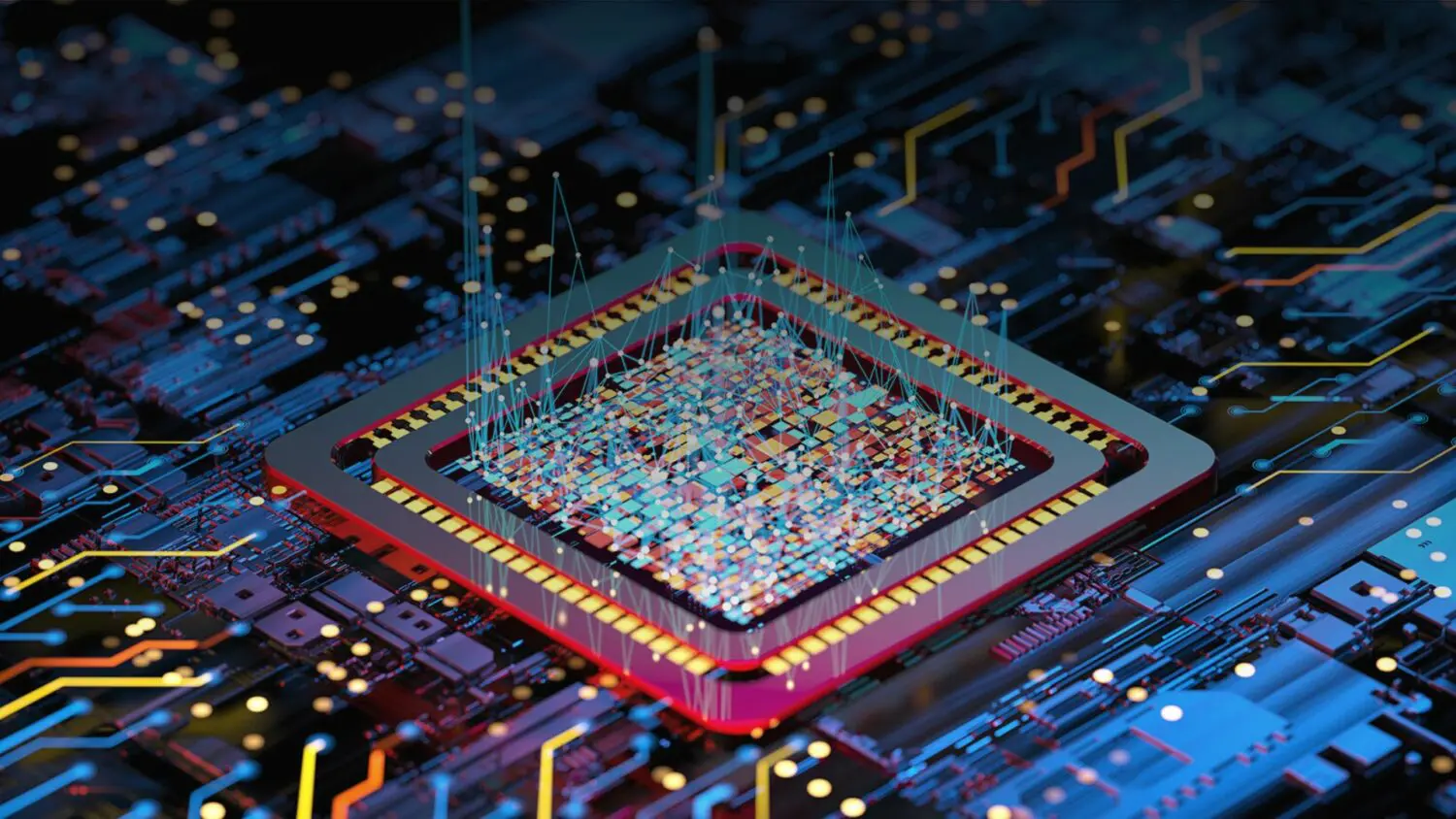
Despite supply chain shortages improving, new data indicates that some automakers still feel pinched more acutely than others. 

Honda informed shareholders that despite the growing semiconductor shortage, it had nonetheless lowered its expected global sales for the upcoming year. 

According to a report released this month by analysts at Bank of America Global Research using data from S&P Global, the scarcity has not affected BMW, Mercedes-Benz, Renault, or Nissan so far this year.

Due to the shortage, Volkswagen anticipates reducing its projected car output in the first quarter of this year by about 65,000 units. Geely, a leading Chinese automaker, could lose 50,000 units as it battles with the deficit on top of the COVID-19 repercussions in China, while Toyota is predicted to lose about 58,000 vehicles.

Since last year, the scarcity of chips has significantly decreased from its high in 2021. Bank of America reports that the industry has already stopped producing 200,000 vehicles globally this year, down from a peak of 3.4 million units in the third quarter of 2021 and from an average of 500,000 every three months since the third quarter of 2022.

AutoForecast Solutions predicts that this year, automakers will have cut roughly 350,000 vehicles from their plans, down from about 530,000 in 2022.

The industry is still 10 percent undersupplied overall with chips, down from about 20 percent last year, said Bank of America. Although there are still considerable challenges, the bank predicted that a solution would be reached by the end of the year.


Did you enjoy this article? Please share your thoughts, comments, or questions regarding this topic by connecting with us at newsroom@cbtnews.com.

Be sure to follow us on Facebook, LinkedIn, and TikTok to stay up to date.

While you’re here, don’t forget to subscribe to our email newsletter for all the latest auto industry news from CBT News.


More from Articles
GM looks beyond EVs with focus on V-8-powered pickups and Patriot missiles

GM looks beyond EVs with new V-8-powered pickups and Patriot missiles

- September 18, 2026
On the Dash: GM Defense delivered Patriot missile parts to Lockheed Martin 22 days after signing its contract. The redesigned 2027 Silverado and Sierra add new 5.7-liter and 6.6-liter V-8...
unifor

Stellantis faces potential strike as Unifor talks remain at impasse

- September 18, 2026
On the Dash: Stellantis faces a new labor deadline as its Canadian contract with Unifor expires Sept. 20. The future of the Brampton plant remains the central issue in negotiations...
Acura pauses MDX Type S production amid emissions uncertainty

Acura pauses MDX Type S production amid emissions uncertainty

- September 18, 2026
On the Dash: Acura pauses the MDX Type S after 2026 with no timeline for its return. The trim is under 10% of MDX sales but delivers outsized margins. Emissions...
Xpeng

Xpeng looks to expand technology partnerships beyond Volkswagen

- September 18, 2026
On the Dash: Xpeng is looking to turn its EV technology into a broader business by licensing systems to other automakers and suppliers. Its Volkswagen partnership shows the potential for...
CBT News
Privacy Overview

This website uses cookies so that we can provide you with the best user experience possible. Cookie information is stored in your browser and performs functions such as recognising you when you return to our website and helping our team to understand which sections of the website you find most interesting and useful.