On the Dash:
- Lawmakers are increasing pressure to fully block Chinese automakers from entering the U.S. market, reinforcing long-term competitive barriers.
- National security concerns tied to vehicle data collection remain a central issue shaping future policy decisions.
- Ongoing bipartisan scrutiny signals continued uncertainty around foreign EV partnerships and cross-border vehicle imports.
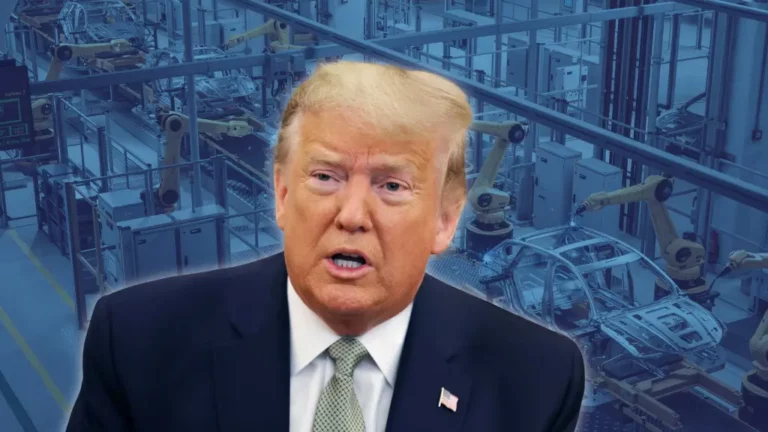
Three Democratic senators on Friday urged President Donald Trump to bar Chinese automakers from building vehicles in the United States and to prevent Chinese cars assembled in Mexico or Canada from entering the country.
Sens. Tammy Baldwin, Elissa Slotkin, and Chuck Schumer pointed to Trump’s January remarks in Detroit, in which he said he was open to Chinese automakers establishing U.S. factories. Despite existing barriers, including tariffs of around 100%, the lawmakers cautioned that allowing Chinese manufacturers into the U.S. market would pose significant risks.
In a letter first reported by Reuters, the senators said inviting Chinese automakers to operate in the United States would create an economic advantage that American automakers could not overcome and would pose long-term national security concerns. The White House responded that while the administration supports investment in U.S. industry, it would not compromise national security.
Trump previously told the Detroit Economic Club that he would welcome Chinese automakers if they built plants and created jobs in the United States.
However, the push from lawmakers follows broader federal action. In January 2025, the Biden administration finalized rules restricting Chinese-linked software and hardware in connected vehicles on national security grounds, effectively limiting most Chinese passenger vehicles from the U.S. market.
Last month, auto trade groups representing nearly all major car companies urged the U.S. government to maintain restrictions on Chinese automakers ahead of Trump’s planned summit with Chinese President Xi Jinping in May.
Concerns have also gained traction among Republicans. Earlier this week, Sen. Bernie Moreno of Ohio said he plans to introduce legislation to fully block Chinese vehicles, including hardware, software and partnerships, from entering the U.S. market.
The Democratic senators emphasized that while investments by Chinese automakers could create some short-term construction and assembly jobs, those gains would not offset potential long-term job losses across the domestic auto industry.
Earlier in the week, China’s embassy in Washington criticized U.S. trade policy, saying the United States has used protectionist measures and discriminatory subsidies to restrict access for Chinese-made vehicles.
The lawmakers also noted that in February, automaker BYD was briefly added to a list of Chinese companies alleged to be aiding Beijing’s military.