With tariff uncertainty looming and the supply chain under stress, the automotive industry may be heading into another disruption. In today’s episode of Inside Automotive, John Murphy, senior autos analyst at BofA Securities, breaks down how the developing tariff scenario could impact dealers, OEMs, and consumers alike, from inventory shortfalls to inflated operating costs.
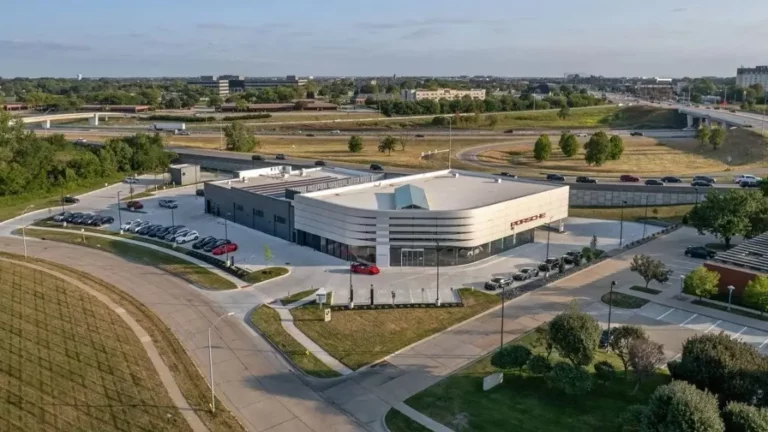
Murphy begins by noting that consumer concerns about vehicle pricing, driven by anticipated tariffs, spiked in March and April. This triggered a surge in new vehicle sales, with March seeing a seasonally adjusted annual rate (SAAR) of 17.8 million. However, he cautions that this short-term surge may subside, with real inventory issues becoming noticeable in June or July as certain brands like Jaguar Land Rover, Audi, and Porsche already face shipping disruptions.
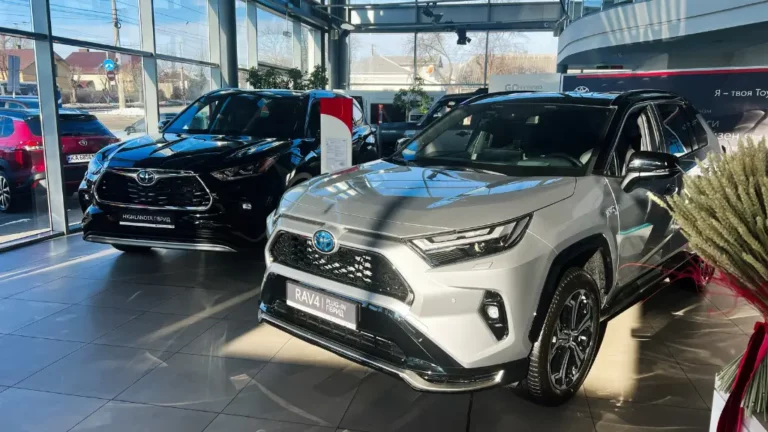
Dealers, Murphy warns, will soon start to feel the pinch. While current lot supplies hover in the mid-50-day range, shortages of high-demand models are expected within weeks. The uncertainty around how USMCA-compliant vehicles are being tariffed, especially across U.S.-Mexico and U.S.-Canada borders, is only adding confusion. Despite tariffs officially beginning in April, many are not yet being collected due to unclear measurement and classification systems.
Beyond retail disruption, the supply chain faces serious risk. Murphy explains that while Tier 1 suppliers are better capitalized, Tier 2 and Tier 3 suppliers are vulnerable. A missed part or two could idle entire production lines, evoking flashbacks to the erratic disruptions of the pandemic.
Murphy acknowledges that reshoring manufacturing has appeal, but the path is neither cost-effective nor practical at scale. Assembly could potentially return to the U.S. with minimal profit loss since only about 10% of operating costs are labor.
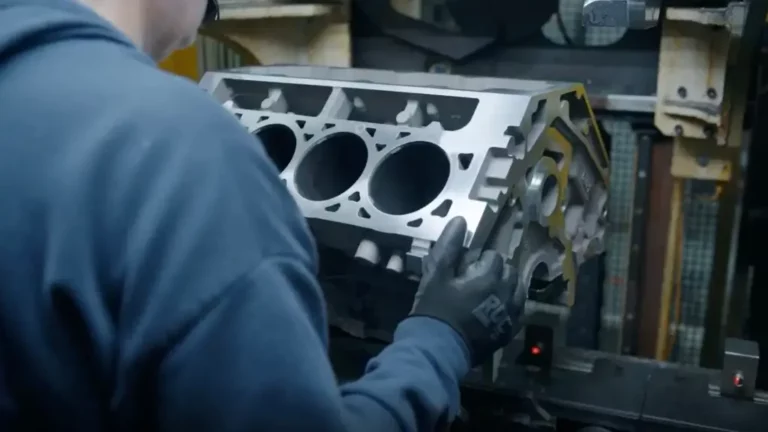
However, bringing back parts manufacturing is less feasible due to rising labor costs, even in Mexico, and the complexity of sourcing thousands of components domestically. Automation would further reduce the likelihood of significant job creation.
On dealer profitability, Murphy addresses the argument that dealerships may be able to sell fewer vehicles and still make more money, as they did during COVID-era shortages. While he agrees it’s possible, he notes that inflation could erode those gains, particularly from tariffs and domestic manufacturing costs. Dealer invoice prices are likely to climb faster than during the pandemic. A SAR of 13 or 14 million may be sustainable, but it risks weakening fixed ops revenue from a reduced vehicle population in operation (UIOs).
Murphy also weighs in on stock performance. With so much uncertainty, capital allocations into auto and supplier stocks are frozen, but he believes winners will emerge. He signals preference for Ford over GM in the short term, praised dealer stocks as the strongest segment, and predicted that the dealer model would emerge more agile and efficient.
Dealers should now closely watch brand-by-brand pricing strategies and demand trends. As some OEMs may absorb tariff costs while others pass them along, brand-level decisions will shape consumer behavior in the months ahead.
"I think we might see some odd disruptions that are COVID-style supply shocks on various parts just not showing up at factories and production going down." – John Murphy