
On the Dash:
- Autonomous vehicles could shift liability to automakers, boosting insurer profitability.
- Rising accident severity may limit cost savings from self-driving technology.
- The $400 billion U.S. auto insurance market is likely to be reconfigured by autonomous cars.
Self-driving vehicles could significantly reshape the U.S. auto insurance market, according to analysts at Bank of America Corp., which sees potential for higher profitability as liability shifts away from drivers.
In a note to clients, cited by Bloomberg, the BofA analysts noted that as autonomous cars become more widespread, liability in the event of accidents will likely move from individual drivers to automakers and technology developers. Under the current system, personal auto insurers often lose money on liability coverage. A shift toward commercial carriers, the analysts said, could relieve insurers of one of their biggest financial burdens while still allowing them to handle claims processing.
The analysts also argued that concerns about autonomous technology reducing insurers’ market share are overstated. While driver-assist and safety systems have helped lower the frequency of accidents over the last century, accident severity has risen, offsetting those improvements. The firm pointed out that in recent decades, despite rapid advances in vehicle safety, the rate of improvement in accident reduction has slowed considerably.
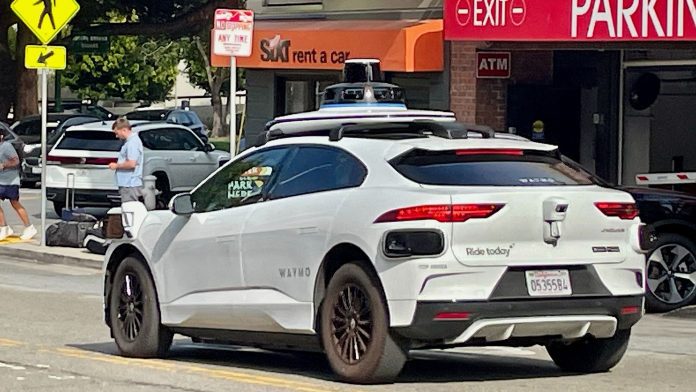
The insurance industry is closely monitoring developments in autonomous mobility as companies such as Tesla and Alphabet’s Waymo expand their driverless taxi operations. The technology has also faced scrutiny following high-profile crashes, raising questions about how liability will be determined when software, rather than humans, controls the vehicle.
Goldman Sachs recently estimated that the rise of autonomous vehicles could force a major reconfiguration of the $400 billion U.S. auto insurance industry as fewer accidents occur and coverage responsibilities shift.
The long-term outlook suggests insurers may benefit from playing a new role in a market where automakers and software developers carry greater liability. For auto dealers and industry professionals, the shift could also influence customer perceptions of vehicle ownership costs, further linking the future of insurance profitability to the pace of adoption of autonomous driving.