On the Dash:
- Hyundai’s union is pushing back against plans to deploy humanoid robots without formal labor approval.
- The automaker plans to begin robot deployment in U.S. factories by 2028 as part of a broader automation strategy.
- Tensions are rising as Hyundai expands U.S. production while unions warn of job risks in South Korea.
Hyundai Motor’s labor union on Thursday warned the automaker against deploying humanoid robots without union approval, citing concerns over job losses as Hyundai plans to introduce the technology beginning in 2028.
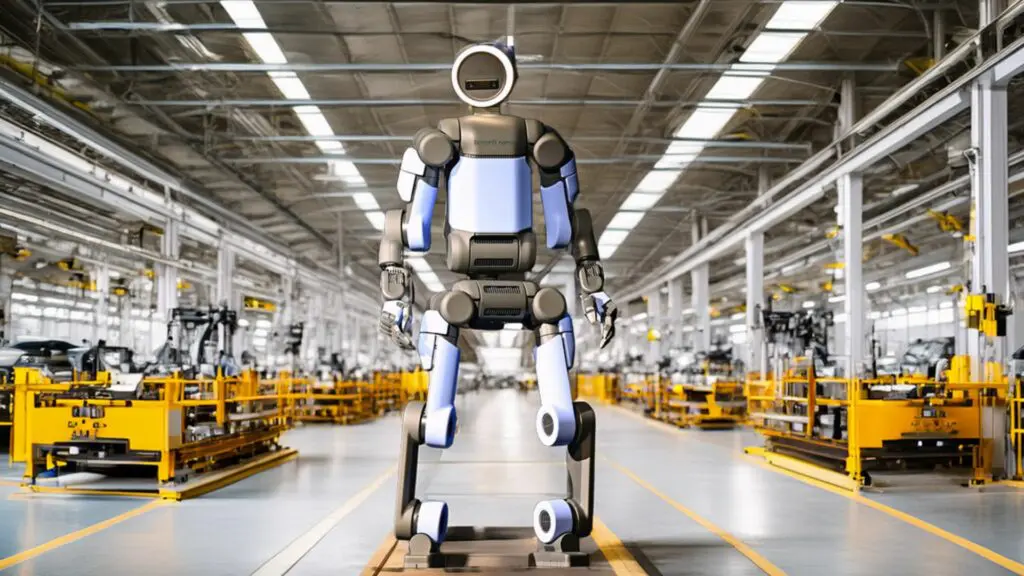
The warning comes after Hyundai unveiled its production version of the Atlas humanoid robot, developed by its Boston Dynamics unit, at the Consumer Electronics Show in Las Vegas earlier this month. Hyundai plans to build a factory capable of producing 30,000 robot units annually by 2028 and intends to begin deploying humanoid robots at its U.S. plant in Georgia, with an eye toward wider adoption across its global operations.
The labor union expressed concern that Hyundai’s robot plans are intended to boost profits while reducing the workforce, potentially threatening jobs at its domestic factories.
Additionally, the union criticized Hyundai’s overall production strategy in the U.S. The company’s plant in Georgia is targeting an annual output of 500,000 vehicles by 2028 as part of its strategy to address tariffs. However, the union contends that this approach has already placed a strain on operations in South Korea and poses a threat to job security.
Together with its affiliate Kia, the automaker is currently the world’s third-largest automaker by sales.
The union’s stance underscores the tension between automakers’ push for automation and workforce concerns. As factories adopt new technologies to increase efficiency, labor groups are seeking assurances that innovation will not come at the expense of jobs.