A “digital ankle bracelet” for your car is coming soon. Arizona, is known for its wide-open highways and sun-soaked roads, may soon become the first state to offer a high-tech alternative for habitual speeders: a “digital ankle bracelet” for your car. Lawmakers are considering a bill that would allow drivers at risk of losing their licenses to keep their privileges by installing devices that actively prevent their vehicles from exceeding posted speed limits.
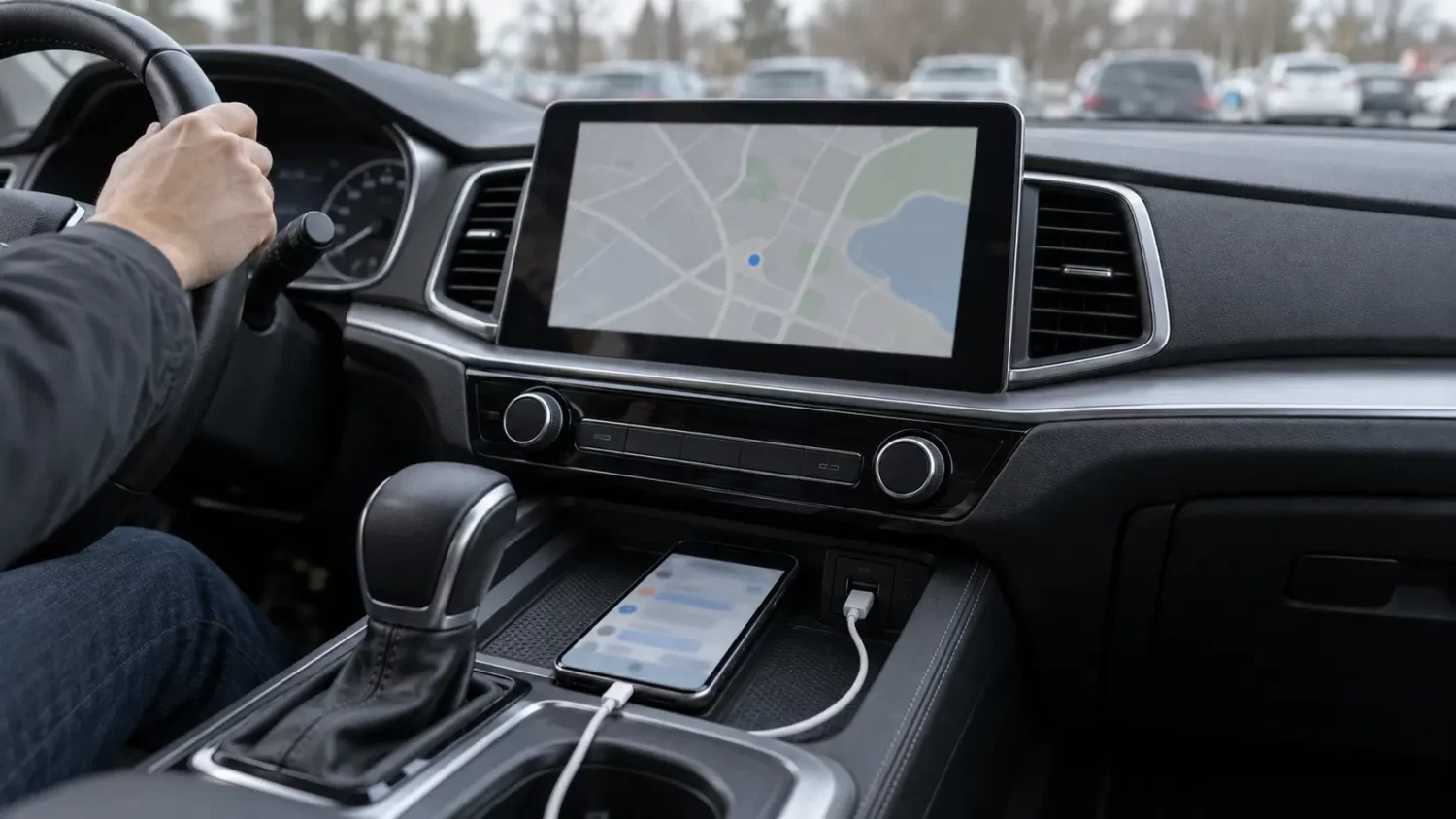
The proposal, spearheaded by State Representative Quang Nguyen, would let drivers voluntarily equip their cars with speed-limiting technology. The system relies on a combination of GPS and cellular signals to determine the legal speed on any given road. Electronics connected to the car’s engine control unit then prevent the vehicle from exceeding that limit, no matter how hard the driver presses the accelerator. This is Big Brother or 1984. Of course, this is all for your safety and for practical reasons, the technology includes an override mode that permits a temporary 10 mph boost up to three times per month, giving drivers a limited margin to react in emergencies or avoid accidents.
Nguyen estimates the devices would cost around $250 to install, with a daily operating fee of roughly $4. He has been working closely with companies that manufacture the technology, including Smart Start and LifeSafer, to ensure the system is effective and reliable. This makes me wonder if he owns a piece of the company or has stock in it.
The bill, which Nguyen plans to formally introduce when the state Legislature reconvenes in January, has been designed to make participation optional rather than mandatory—an adjustment from a previous attempt that failed when the measure required all speeders to use the technology. He wants it mandated. Thankfully, legislators stopped that.
Arizona is not alone in exploring this approach. Virginia, Washington State, and Washington, D.C. have already enacted similar laws. In Virginia, courts can require drivers with multiple speeding violations or reckless driving convictions to install electronic speed-limiting devices as an alternative to license suspension. Washington State has adopted a comparable program, giving judges discretion to mandate the technology for repeat offenders while monitoring compliance. In Washington, D.C., the program is more limited but aims to reduce repeat speeding among drivers with multiple moving violations. Meanwhile, Wisconsin is currently considering similar legislation.
These programs highlight a growing trend: rather than grounding drivers entirely, some states are experimenting with technology as a way to enforce safe driving without taking away mobility. Proponents argue that these devices could prevent serious accidents while still allowing drivers to maintain employment, care for families, and perform other essential daily tasks. The technology also provides courts with a tangible tool to ensure compliance, rather than relying solely on citations and license suspensions.
However, critics remain cautious. Some transportation and safety experts question whether the technology is advanced enough to accurately detect all posted speed limits. GPS mapping errors, temporary speed changes in construction zones, or malfunctioning sensors could cause a car to slow unexpectedly or fail to limit speed when needed, creating new safety risks. Privacy advocates also worry about how these devices track and store location data, raising concerns about government overreach or potential misuse. Arizona Representative Alexander Kolodin has warned that passing the law could open “a dangerous door,” giving authorities unprecedented control over drivers’ vehicles.
From a practical standpoint, the legislation raises fundamental questions about the balance between personal responsibility and technological enforcement. Supporters argue it offers a lifeline to drivers who repeatedly violate speed laws but are otherwise safe, while critics maintain that it may encourage riskier behavior by transferring accountability from the individual to the machine.
There’s also the question of fairness. Not all drivers have access to new technology or the financial resources to participate in a program that charges daily operating fees. While $4 per day may seem modest, over a month or a year, it could be prohibitive for some families, effectively limiting the program to more affluent drivers. Additionally, the optional nature of the program could create inconsistencies across jurisdictions, leaving some habitual offenders unmonitored while others are under constant technological supervision.
Whether the measure passes will depend not only on lawmakers’ assessment of safety and effectiveness but also on public perception. Speeding remains the most common moving violation in the United States, and habitual offenders are a persistent concern for states nationwide. With this new technology, Arizona may be taking the first step toward a future where cars themselves enforce the law—but whether that future is practical, safe, or desirable remains up for debate.
At the very least, it’s a bold experiment in road safety and personal responsibility, one that could reshape the way states think about controlling speed without grounding drivers entirely. As the Legislature prepares to weigh the bill, motorists, safety experts, and privacy advocates alike will be watching closely, asking the same question: Can a car truly keep its driver out of trouble, or is this just another way to shift accountability from human judgment to technology?
Looking for more automotive news? https://www.CarCoachReports.
Listen to The Drive Car Show – https://www.youtube.com/@