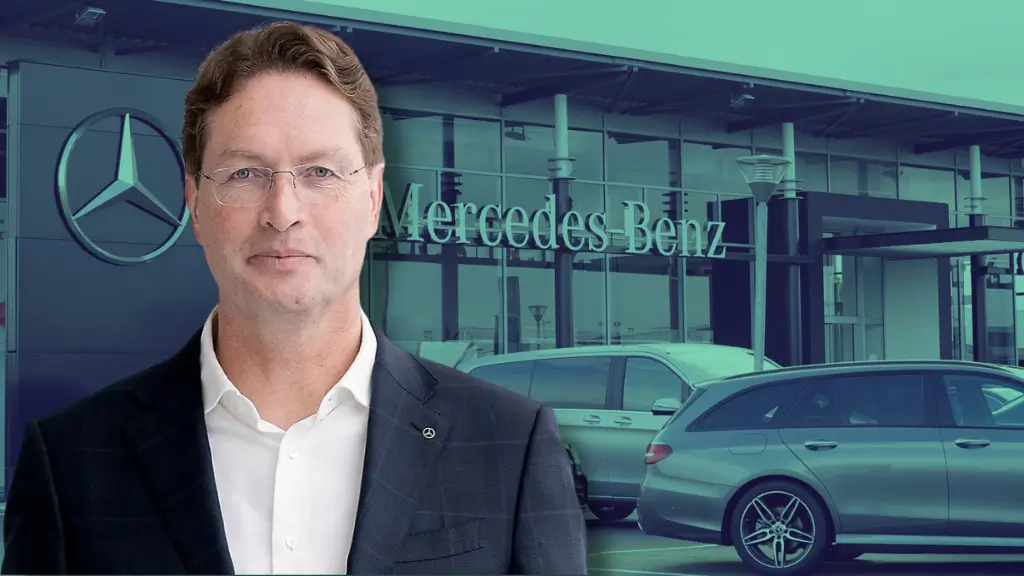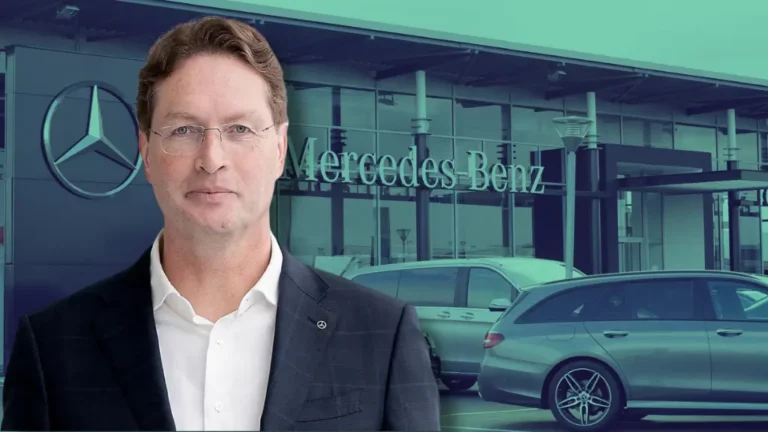

Mercedes-Benz is doubling down on cost-cutting measures and shifting its focus toward combustion engine vehicles as it faces a challenging financial outlook. The German luxury automaker announced plans to introduce 19 new combustion engine models and 17 battery-electric vehicles (BEVs) by the end of 2027, signaling a recalibration of its strategy after declining EV sales.
Despite the industry’s push toward electrification, the automaker is strengthening its lineup of gas and diesel models. Last year, battery-electric sales dropped by 25%, prompting a reassessment of its product mix. The automaker remains committed to its “value over volume” approach, prioritizing high-margin, low-production luxury vehicles. CFO Harald Wilhelm emphasized that while EV adoption is growing, combustion engine models still significantly outperform electric vehicles in sales, reinforcing the need to balance both offerings.
The company will continue targeting the high-end market, with most of its new models falling within the premium segment. This move aligns with its long-standing strategy of selling fewer vehicles at higher price points rather than competing on mass-market volume, despite concerns from investors and labor representatives about its effectiveness.
Mercedes-Benz is also implementing aggressive cost-cutting measures. The company aims to reduce production costs by 10% by 2027 and by 20% by 2030. These reductions come on top of a previously announced plan to cut costs by 20% between 2019 and 2025.
To achieve these savings, the automaker will localize more production in China and the United States to shield itself from geopolitical trade risks, including potential U.S. tariffs on vehicle imports. Additionally, while the company will not shut down its German plants, it will shift production of certain models to Hungary, where manufacturing costs are 70% lower.
Further reductions will come through outsourcing finance, human resources, and procurement functions. Mercedes-Benz also plans to shrink its workforce through natural attrition, opting not to replace retiring employees while offering voluntary redundancy packages.
The automaker’s financial forecast underscores the need for these strategic changes. Mercedes-Benz saw a 30% drop in earnings in 2024, with its cars division experiencing a steeper 40% decline. The company expects further deterioration this year, forecasting a return on sales between 6-8%—a sharp contrast to its previous goal of up to 14% during strong market conditions.
The announcement disappointed investors, with shares falling 1.5% as some had hoped for more clarity on capital returns. The outlook reflects broader industry struggles as European automakers, including Volkswagen, grapple with rising energy and labor costs.
Mercedes-Benz faces increasing challenges in two critical markets: the United States and China. The company is working to strengthen its presence in China, a key region for luxury vehicle sales, but remains cautious about aggressive pricing strategies employed by some competitors.
The automaker is focused on maintaining its premium brand positioning while adapting to financial pressures. Whether or not its strategy of balancing combustion engine models with EVs will pay off remains to be seen. However, the company is betting that cost reductions and a luxury-first approach will help stabilize its earnings in the years ahead.