TSLA385.190-13.31%
GM92.4304.09%
F12.6700.36%
RIVN14.0600.77%
CYD21.510-0.68%
HMC35.2201.23%
TM199.4606.46%
CVNA77.5506.27%
PAG212.3000.09%
LAD315.64016.87%
AN183.4704.96%
GPI272.8107.8%
ABG208.88011.11%
SAH64.0503.37%
TSLA385.190-13.31%
GM92.4304.09%
F12.6700.36%
RIVN14.0600.77%
CYD21.510-0.68%
HMC35.2201.23%
TM199.4606.46%
CVNA77.5506.27%
PAG212.3000.09%
LAD315.64016.87%
AN183.4704.96%
GPI272.8107.8%
ABG208.88011.11%
SAH64.0503.37%
TSLA385.190-13.31%
GM92.4304.09%
F12.6700.36%
RIVN14.0600.77%
CYD21.510-0.68%
HMC35.2201.23%
TM199.4606.46%
CVNA77.5506.27%
PAG212.3000.09%
LAD315.64016.87%
AN183.4704.96%
GPI272.8107.8%
ABG208.88011.11%
SAH64.0503.37%

New IIHS crash test reveals poor ratings for the top mid-size pickups

The risk of a fatal injury is now higher for belted occupants in the rear than for those in the front seat.
Institute , IIHS

Image Source: Youtube

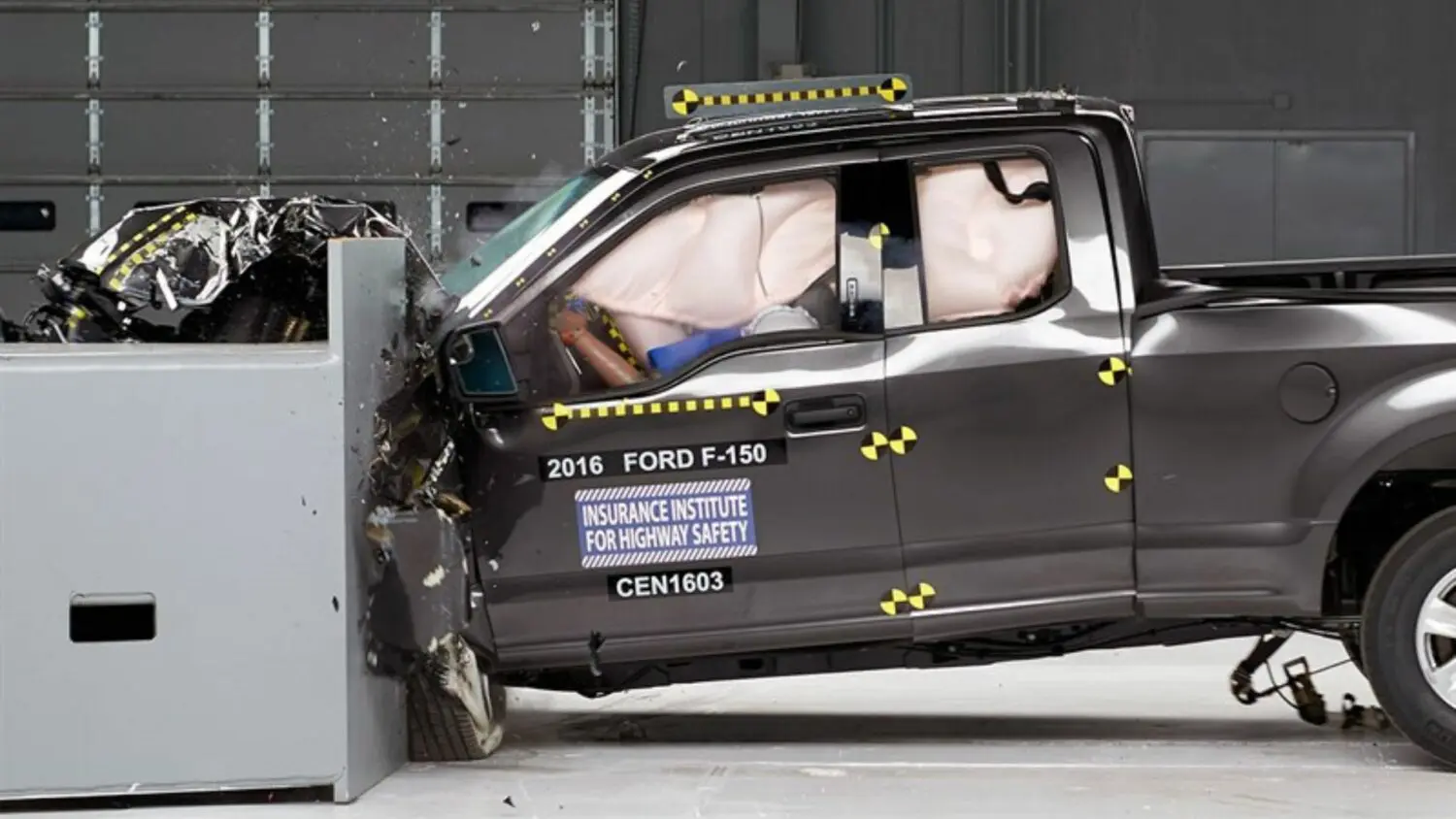
The Insurance Institute for Highway Safety, IIHS, recently tested crew-cab versions of the Chevrolet Colorado, Ford Ranger, Jeep Gladiator, Nissan Frontier, and Toyota Tacoma, and none of the trucks received top ratings for rear-occupant safety.

The institute updated its moderate overlap front collision test last year. In that test, cars at 40 mph collide with a fixed barrier occupying 40% of the car’s width. According to the institute, “research showed that in newer vehicles, the risk of a fatal injury is now higher for belted occupants in the rear than for those in the front.” This is why the revision added a dummy to the backseat. The safety of rear-seat passengers has not decreased; instead, the front has become safer while the back has received little attention. 

In the new test, a dummy the size of a 12-year-old kid or a petite woman rides in the backseat behind a dummy around the size of a typical adult male. To receive a good rating, a vehicle must secure the occupants in place to guard against an elevated risk of head, neck, chest, or thigh injuries. IIHS also tracks how close the dummy’s head is to the front seatback and other interior objects.

In addition, IIHS assigns vehicles one of four grades: poor, marginal, acceptable, or good. The Nissan’s acceptable rating for the rear-seat dummy was the best of the five trucks in the test. The Chevrolet, Jeep, and Toyota all had poor performances, while Ford’s performance was marginal. The dummy’s head also came worryingly close to the front seatback in all vehicles but the Jeep.
Further Reading
More from Articles
Ford's October sales slip as Escape and Corsair end, F-series sales rise 8.2%

Ford F-Series and SUV sales rise in October but overall sales dip

- November 5, 2026
On the Dash: Ford sales fell 0.8% in October to 174,123 vehicles as Escape and Corsair production ended. F-Series sales rose 8.2%, the best October since 2019, as production recovered. ...
Toyota raises annual earnings forecast as operating profit climbs 34%

Toyota raises annual earnings forecast as operating profit climbs 34%

- November 5, 2026
On the Dash: Toyota raised its fiscal-year net profit forecast to 3.57 trillion yen, or approximately $22.5 billion, from its previous estimate of 3.25 trillion yen. Third-quarter operating profit increased...
October new-vehicle sales remain on pace to meet 2026 forecast

October new-vehicle sales remain on pace to meet 2026 forecast

- November 5, 2026
On the Dash: October new-vehicle sales reached a 15.54 million-unit SAAR, down 0.9% year over year, while the year-to-date SAAR was 16.05 million units. Conventional hybrids accounted for 15.7% of...
Canada says US midterms won’t change its trade stance

Canada says U.S. midterms won’t change its trade stance

- November 5, 2026
On the Dash: US-Canada trade talks will not change course after Democrats won Congress, Canada’s trade minister said. Auto tariffs on Canadian-built vehicles remain unresolved after August’s collapsed talks. Dealers...

Add us as a preferred source on Google

CBT News
Privacy Overview

This website uses cookies so that we can provide you with the best user experience possible. Cookie information is stored in your browser and performs functions such as recognising you when you return to our website and helping our team to understand which sections of the website you find most interesting and useful.