TSLA393.450-31.85%
GM76.0000.48%
F13.350-0.29%
RIVN18.6301.45%
CYD43.390-2.9%
HMC28.0200.76%
TM174.5904.93%
CVNA68.5900.72%
PAG179.4202.34%
LAD306.23015.93%
AN186.4102.08%
GPI288.3901.79%
ABG205.4007.38%
SAH83.7300.68%
TSLA393.450-31.85%
GM76.0000.48%
F13.350-0.29%
RIVN18.6301.45%
CYD43.390-2.9%
HMC28.0200.76%
TM174.5904.93%
CVNA68.5900.72%
PAG179.4202.34%
LAD306.23015.93%
AN186.4102.08%
GPI288.3901.79%
ABG205.4007.38%
SAH83.7300.68%
TSLA393.450-31.85%
GM76.0000.48%
F13.350-0.29%
RIVN18.6301.45%
CYD43.390-2.9%
HMC28.0200.76%
TM174.5904.93%
CVNA68.5900.72%
PAG179.4202.34%
LAD306.23015.93%
AN186.4102.08%
GPI288.3901.79%
ABG205.4007.38%
SAH83.7300.68%

Toyota will raise U.S. vehicle prices starting in July

Toyota has not specified which models will be affected.
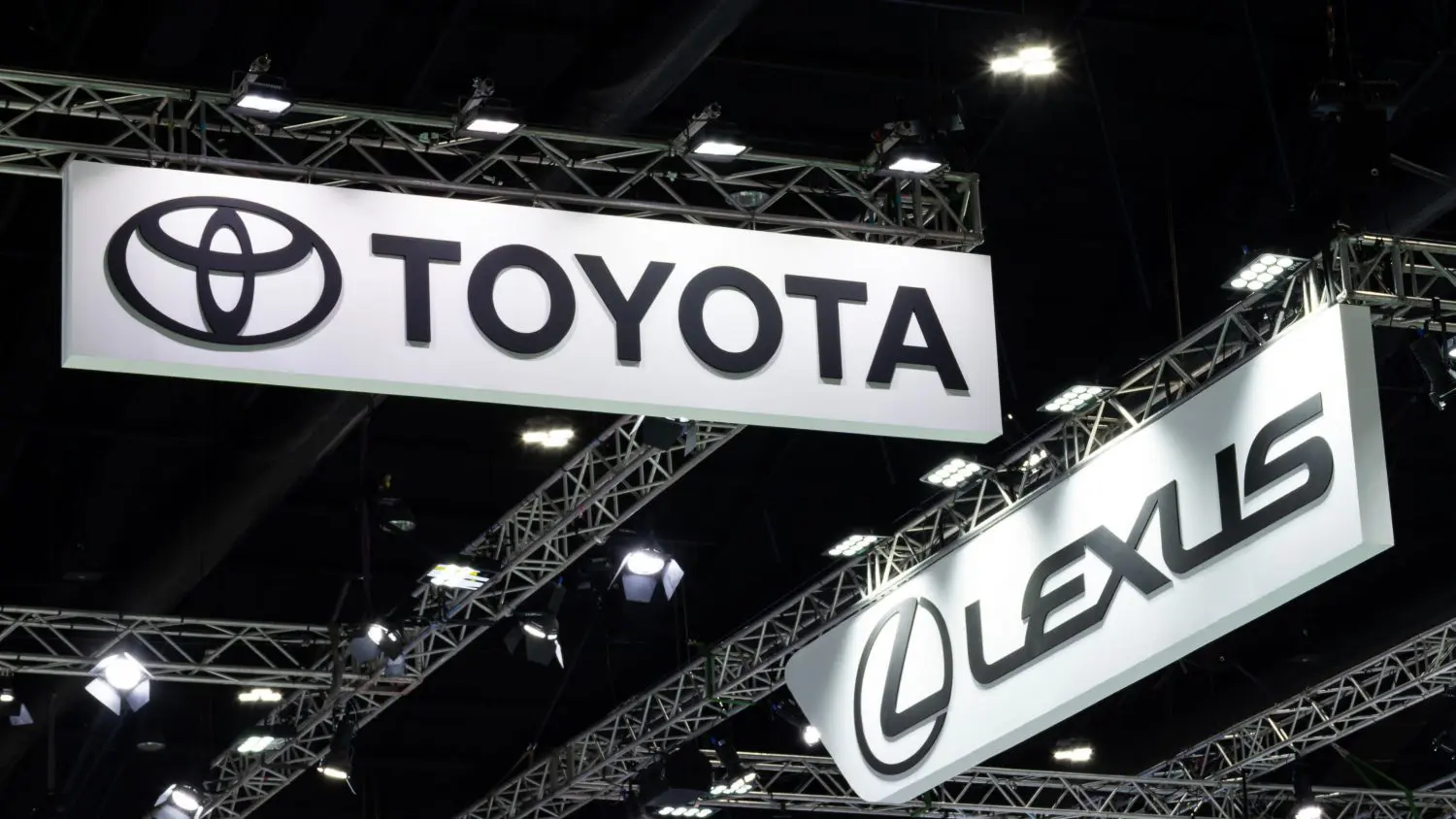
Toyota Lexus

Toyota Motor Corp. will raise the prices of several U.S. vehicle models beginning in July, with increases exceeding $200 on average. The price adjustments will affect both Toyota- and Lexus-branded vehicles, with Toyota models seeing an average hike of $270 and Lexus models rising by $208, according to a company spokesperson.

The pricing update, set to take effect next month, is part of a routine revision influenced by market dynamics, competitive pricing, and other economic factors. While the automaker has not specified which models will be affected, the change reflects broader cost pressures within the industry, including continued inflation and elevated import costs.

Sign up for CBT News’ daily newsletter and get the latest industry stories delivered straight to your inbox.

This move follows a similar action by Mitsubishi Motors Corp., which raised prices on three of its U.S. models earlier in June. Like Toyota, Mitsubishi cited routine adjustments that account for inflation and changing market conditions.

Japanese automakers, including Toyota, remain significantly dependent on imports to supply vehicles and components to the U.S. market. As a result, these companies have been particularly impacted by ongoing trade challenges, including tariffs on imported cars and auto parts implemented during the Trump administration. These tariffs have increased operating costs and complicated pricing strategies for foreign brands doing business in the United States.

Toyota has not indicated whether further price changes will follow later in the year.
Read More
More from Articles
EV

Ford Q2 sales fall 10.3% as EVs and F-Series weigh on results

- July 3, 2026
On the Dash: Ford sold 549,200 vehicles in Q2, down 10.3% year-over-year, slightly better than Cox Automotive's projection of an 11.5% decline. Pure EV sales fell 40.7%, while F-Series sales...

Ram and Pacifica drive Stellantis to fourth straight quarter of U.S. sales growth

- July 3, 2026
On the Dash: Stellantis sold 328,284 vehicles in Q2 2026, up 6% year-over-year, and 634,345 in the first half, up 5%. Ram total pickup sales rose 14% in the quarter,...
BMW completes $1.7 billion South Carolina investment, unveils new X5

BMW completes $1.7 billion South Carolina investment, unveils new X5

- July 3, 2026
On the Dash: BMW completed a $1.7 billion investment in Plant Spartanburg and the new Plant Woodruff. The X5 debuts as BMW's first U.S.-built fully electric model, production starting late...
Fourth of July weekend brings big incentives and offers from automakers

Incentives and offers blast off this Fourth of July holiday weekend

- July 3, 2026
The Fourth of July is a busy time for dealers. The holiday gives shoppers more time to look for their next car. Automakers are hoping to hit mid-year sales. And...
CBT News
Privacy Overview

This website uses cookies so that we can provide you with the best user experience possible. Cookie information is stored in your browser and performs functions such as recognising you when you return to our website and helping our team to understand which sections of the website you find most interesting and useful.